

Working Principle and Characteristics of Dense Phase Pneumatic Conveying Systems for Bulk Materials
For industries handling bulk materials, efficient and reliable material transport is crucial. Dense phase pneumatic conveying systems offer a solution that balances performance, cost, and operational safety. This article explores the working principle and key characteristics of such systems, providing insights into their application and benefits.
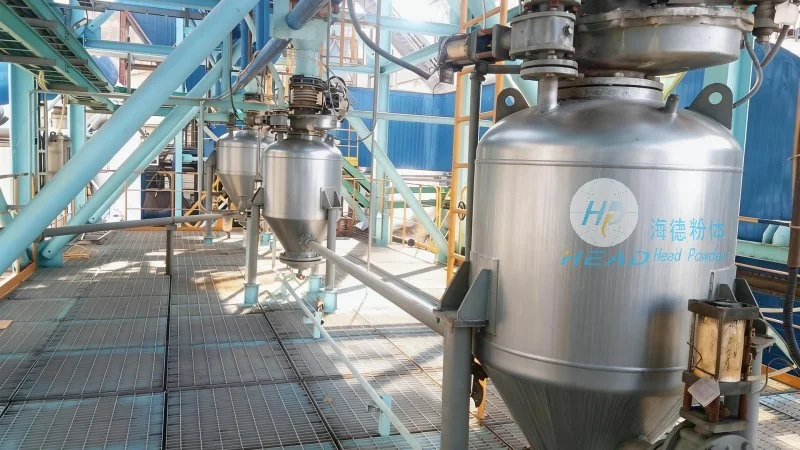
HeadPowder, a leading provider in the field, specializes in designing and manufacturing advanced pneumatic conveying solutions. With a strong presence in Shandong, China, the company leverages decades of experience to deliver systems tailored to diverse industrial needs.
Working Principle of Dense Phase Pneumatic Conveying Systems
Dense phase pneumatic conveying operates on the principle of transporting bulk materials in a dense, slurry-like state within a pipeline. Unlike dilute phase systems that rely on high velocities to suspend particles, dense phase systems use lower air velocities and higher solid-to-gas ratios. This approach minimizes particle degradation and reduces wear on equipment components.
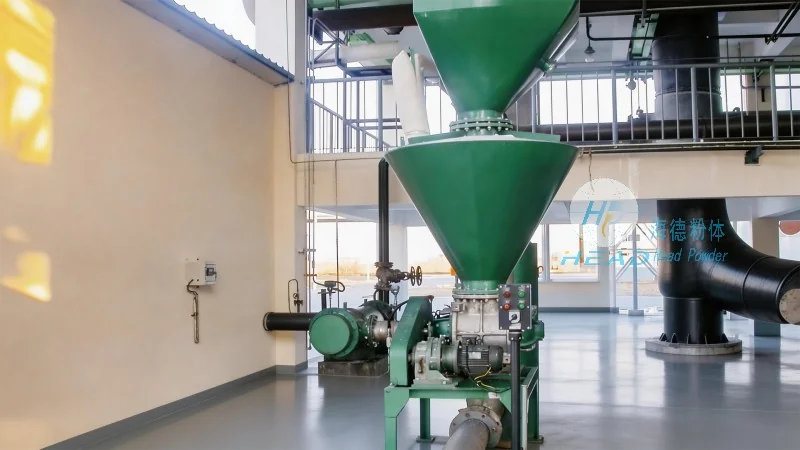
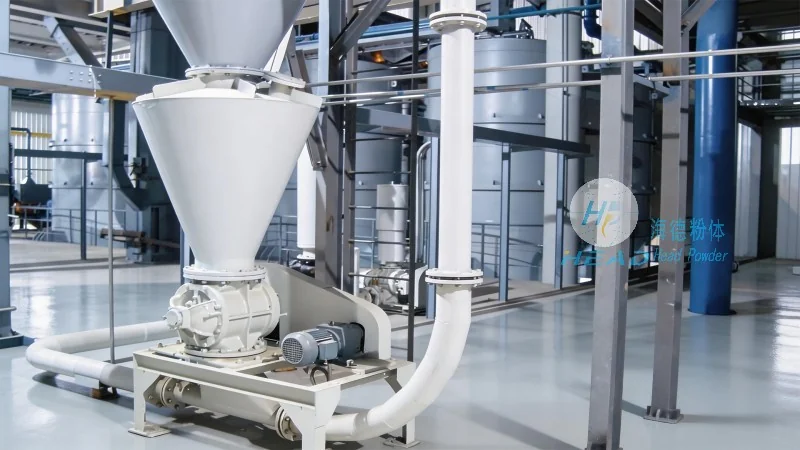
The process typically involves a positive displacement blower or compressor that generates the necessary air pressure. The material is fed into the pipeline at a controlled rate, often via a hopper or feeder, and mixed with the air stream. The resulting mixture, with a high concentration of solids, moves through the pipeline at a relatively low velocity, ensuring stable flow and preventing particle separation.
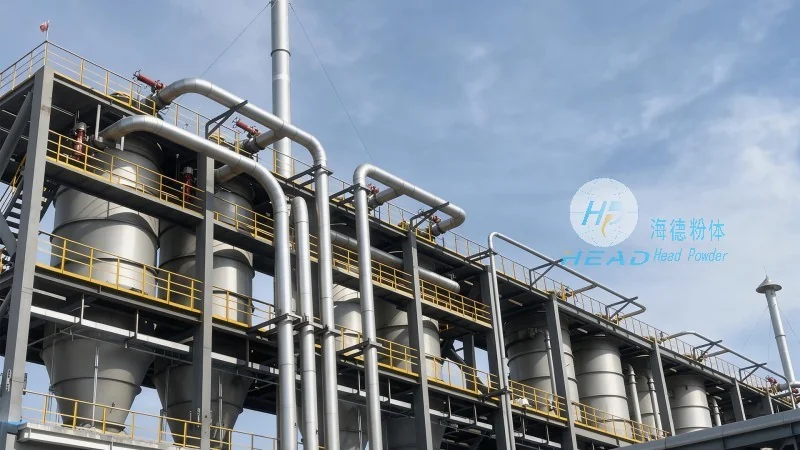
Key components in a dense phase system include the air supply unit, material feeder, pipeline network, and discharge equipment. The air supply unit maintains consistent pressure and flow, while the feeder controls the material feed rate to match the system's capacity. The pipeline design, with appropriate bends and valves, ensures smooth material transport without excessive pressure drop or blockages.
Key Characteristics of Dense Phase Pneumatic Conveying Systems
Efficiency and Energy Savings: Dense phase systems are known for their energy efficiency, as they operate at lower air velocities compared to dilute phase systems. This reduces energy consumption while maintaining effective material transport, making them cost-effective for long-distance or high-volume applications.
Low Wear and Reduced Maintenance: The lower velocities and higher solid concentration in dense phase systems result in less wear on pipeline components and equipment. This leads to longer service life and lower maintenance costs, which are significant advantages for industrial operations.
Minimal Material Degradation: By operating at lower speeds and maintaining a stable flow, dense phase systems minimize the risk of material attrition or degradation. This is particularly important for sensitive materials like powders, granules, or fine particles that require preservation of their physical properties.
Flexibility in Application: Dense phase pneumatic conveying systems can handle a wide range of materials, from fine powders to bulk granules, and can be adapted for various industrial processes. The ability to transport materials over long distances without the need for intermediate storage or handling makes them versatile for different production setups.
Benefits and Applications in Industrial Settings
HeadPowder's dense phase pneumatic conveying systems have been successfully implemented in various industries, including chemical, pharmaceutical, food processing, and mining. The systems are designed to meet specific operational requirements, ensuring optimal performance and reliability. For example, in the chemical industry, these systems facilitate the transport of reactive powders with minimal risk of contamination or degradation. In the food sector, they enable the safe handling of food-grade materials while maintaining hygiene standards.
The company's expertise in system design and integration ensures that each installation is tailored to the client's unique needs. By leveraging advanced engineering and quality control, HeadPowder delivers systems that enhance operational efficiency, reduce downtime, and improve overall productivity. The robust construction and durable materials used in the equipment further contribute to long-term reliability and cost savings.
Conclusion
Dense phase pneumatic conveying systems represent a sophisticated solution for bulk material transport, combining efficiency, reliability, and durability. With their ability to handle diverse materials and operate under various conditions, these systems are a preferred choice for industries seeking to optimize their material handling processes. HeadPowder, with its commitment to innovation and quality, continues to provide cutting-edge solutions that meet the evolving demands of modern industrial applications.