

Working Principle and Features of Plug-Type Material Pneumatic Conveying Equipment
HeadPowder Engineering Co., Ltd. is a leading manufacturer specializing in advanced material handling solutions, including plug-type pneumatic conveying equipment. Based in Shandong, China, the company has established itself as a trusted provider of high-quality industrial equipment designed to meet the diverse needs of various industries.
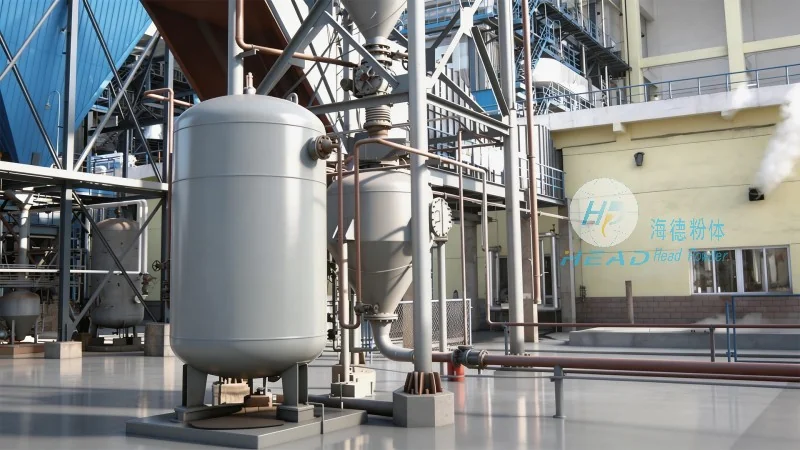
Plug-Type Pneumatic Conveying Equipment: An Overview
Plug-type material pneumatic conveying systems are a sophisticated method of transporting bulk materials through a pipeline using compressed air. This technology is particularly effective for handling fine powders, granules, and other dry materials, offering a clean, efficient, and low-maintenance solution compared to traditional mechanical conveying methods. The core of this system lies in the formation of a "plug" or a solid column of material that moves through the pipeline, separated from the air by a distinct interface.
Working Principle of Plug-Type Material Pneumatic Conveying Systems
The operation of plug-type pneumatic conveying equipment begins with the introduction of the material into the inlet of the conveying line. As the material enters, it forms a dense, continuous plug that travels through the pipeline. Compressed air is introduced at the discharge end, creating a pressure differential that drives the plug forward. The plug remains intact due to the cohesive forces between particles and the friction between the plug and the pipeline walls. This process ensures that the material is transported without segregation or degradation, maintaining its quality throughout the conveying process.
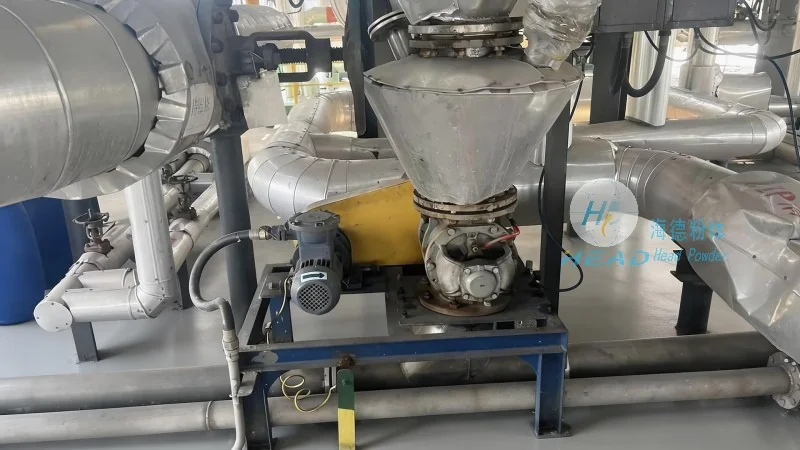
Key Features and Advantages of Plug-Type Pneumatic Conveying Equipment
Plug-type pneumatic conveying systems offer several distinct advantages that make them ideal for a wide range of industrial applications. One of the primary benefits is the ability to handle fine and abrasive materials without causing wear or damage to the equipment. The system is also highly efficient in terms of energy consumption, as the compressed air is used more effectively to move the material rather than just blowing it through the line. Additionally, these systems are capable of transporting materials over long distances with minimal pressure loss, making them suitable for large-scale operations. Another key feature is the ability to handle varying material types and flow rates, providing flexibility in industrial processes. The plug formation also helps in preventing material degradation, as the material is not exposed to excessive air flow or turbulence that can occur in other pneumatic conveying methods.
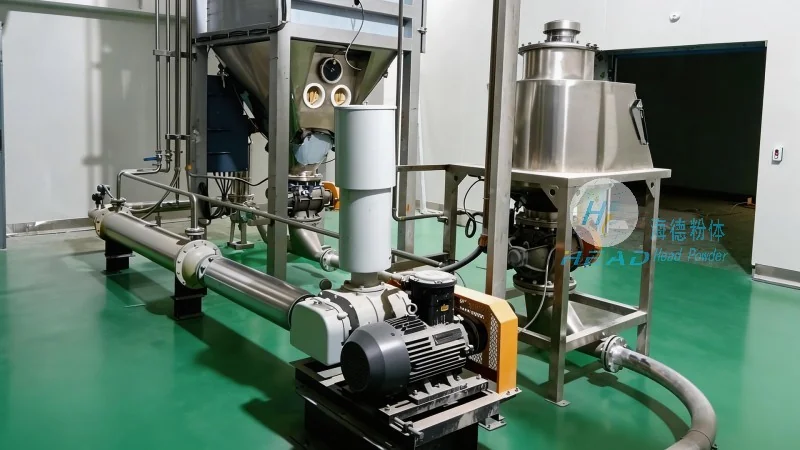
Applications and Industries Served
Plug-type pneumatic conveying equipment is widely used across various industries, including pharmaceuticals, food processing, chemical manufacturing, and mining. In the pharmaceutical industry, these systems are essential for transporting sensitive powders and granules, ensuring that the materials remain sterile and free from contamination. In food processing, the equipment is used to handle ingredients such as flour, sugar, and spices, maintaining the quality and freshness of the products. The chemical industry benefits from the ability to transport abrasive and corrosive materials without the risk of equipment failure or material contamination. In mining operations, plug-type systems are used to convey raw materials and byproducts, improving the efficiency of material handling and reducing labor costs.
Conclusion
Plug-type material pneumatic conveying equipment from HeadPowder Engineering Co., Ltd. represents a cutting-edge solution for efficient and reliable material handling. By leveraging the principles of plug formation and controlled air pressure, these systems provide a superior alternative to traditional conveying methods, offering benefits such as reduced wear, energy efficiency, and material integrity. With a strong presence in Shandong, China, HeadPowder continues to innovate and provide high-quality equipment that meets the evolving needs of modern industries.