

Types of Soap Pellet Conveying Methods
When it comes to handling soap pellets in industrial settings, the choice of conveying method plays a crucial role in efficiency, cost-effectiveness, and operational safety. As a leading provider in the field, Shandong HeadPowder Engineering Co., Ltd. specializes in delivering tailored solutions that address the unique challenges of soap pellet transportation. This article explores the primary types of soap pellet conveying methods, highlighting their applications and benefits.
Gravity Conveying Systems
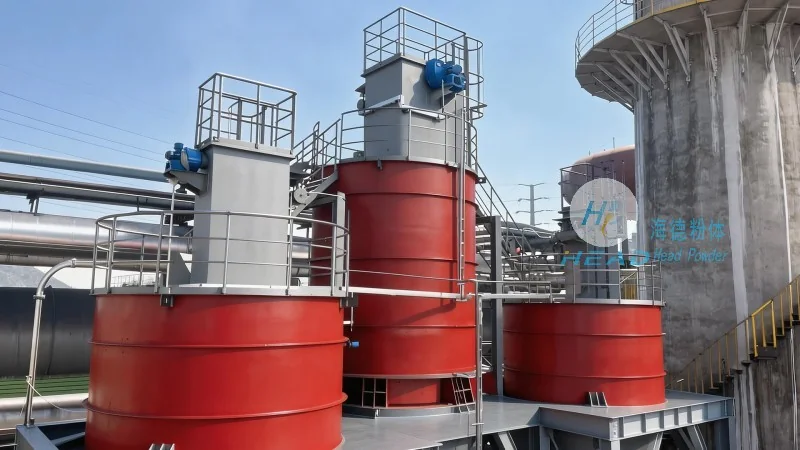
Gravity conveying is a widely used method for transporting soap pellets, particularly in applications where the material can flow freely due to its density and shape. This approach relies on the natural force of gravity to move pellets from one point to another, often through inclined chutes or troughs. The system typically consists of a series of connected components, including hoppers, chutes, and discharge points, designed to minimize friction and ensure smooth flow. For soap pellets, which are often spherical or near-spherical, gravity conveying can be highly effective, especially in vertical or near-vertical applications. The primary advantage of this method is its simplicity and low operational cost, as it requires minimal energy input and fewer moving parts compared to mechanical systems. However, it is most suitable for materials with consistent flow characteristics and is less effective for bulkier or irregularly shaped pellets.
Mechanical Conveying Equipment
For more demanding applications, mechanical conveying systems offer greater control and flexibility. These systems use motors, belts, or other mechanical components to move soap pellets through pipelines or enclosed channels. Common types include screw conveyors, belt conveyors, and pneumatic conveying systems. Screw conveyors, for instance, use a rotating screw to push pellets forward, making them ideal for horizontal or slightly inclined transport. Belt conveyors, on the other hand, utilize a continuous belt to transport pellets, which is particularly useful for longer distances or when handling larger quantities. Pneumatic conveying systems, such as air slides or pressure vessels, use compressed air to transport pellets through a closed system, providing a dust-free and efficient method for moving materials in enclosed environments. The key advantage of mechanical conveying is its ability to handle a wide range of pellet sizes and shapes, including irregular or sticky materials, while maintaining consistent flow rates. However, these systems require more maintenance and energy compared to gravity systems, and they may be more expensive to install.
Hybrid Conveying Solutions
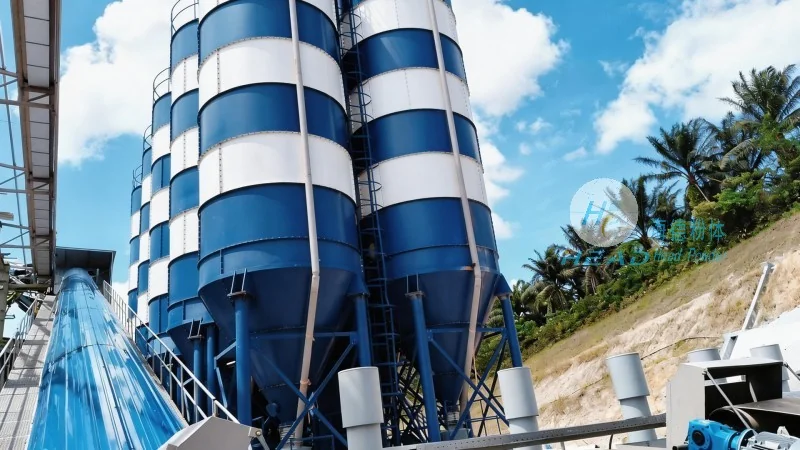
In many industrial settings, a combination of gravity and mechanical conveying is employed to optimize efficiency. Hybrid systems often start with a gravity section to move pellets from a storage hopper to a loading point, followed by a mechanical conveyor to transport them to the final destination. This approach leverages the benefits of both methods, reducing energy consumption while ensuring reliable transport. For example, a soap pellet plant might use a gravity chute to move pellets from a silo to a screw conveyor, which then transports them to a packaging line. This hybrid approach is particularly effective in large-scale operations where both simplicity and control are required. The use of hybrid systems allows companies to adapt to varying production demands, such as seasonal fluctuations or changes in product specifications, without significant modifications to the conveying infrastructure.
Factors Influencing Conveying Method Selection
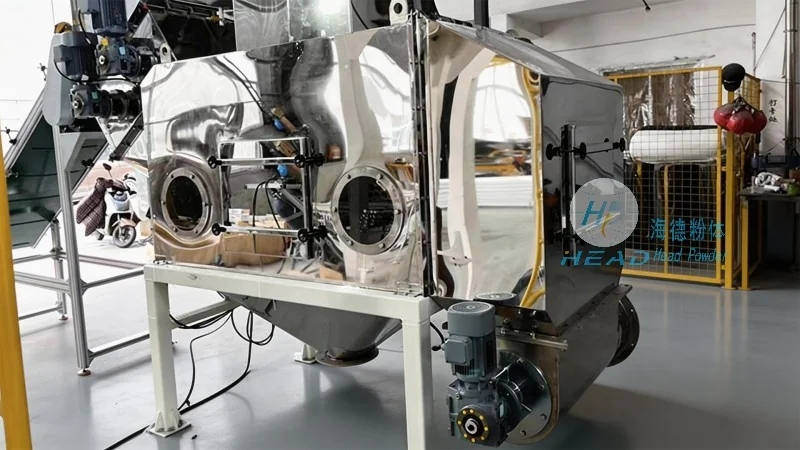
The choice of soap pellet conveying method depends on several factors, including the physical properties of the pellets, the distance to be covered, the required flow rate, and the environmental conditions. For instance, if the pellets are lightweight or have a tendency to stick together, mechanical systems with adjustable speeds or cleaning mechanisms may be necessary. Conversely, if the pellets are dense and free-flowing, gravity conveying may be sufficient. The scale of the operation also plays a role, as large-scale plants may require more robust mechanical systems to handle higher volumes. Additionally, the need for dust control or environmental compliance can influence the choice of pneumatic or enclosed mechanical systems. Shandong HeadPowder Engineering Co., Ltd. understands these factors and provides customized conveying solutions that align with the specific needs of each client, ensuring optimal performance and cost-effectiveness.
Conclusion
Choosing the right soap pellet conveying method is essential for maintaining operational efficiency and product quality in industrial applications. Whether using gravity, mechanical, or hybrid systems, the goal is to ensure reliable, cost-effective, and safe transportation of soap pellets. As a trusted partner in the industry, Shandong HeadPowder Engineering Co., Ltd. offers expertise and tailored solutions to help businesses select and implement the most suitable conveying method for their soap pellet processing needs. By understanding the unique characteristics of soap pellets and the operational requirements of each facility, companies can make informed decisions that enhance productivity and reduce costs in the long run.