

Aluminum Turnings Conveying Methods: Exploring Effective Solutions
Aluminum turnings, a byproduct of metalworking processes, require efficient and reliable conveying systems to ensure smooth material handling and processing. The choice of conveying method significantly impacts operational efficiency, material integrity, and overall production costs. In this article, we will explore various aluminum turnings conveying methods, highlighting their applications, advantages, and suitability for different industrial settings. As a leading provider of material handling solutions, Shandong HeadPowder Engineering Co., Ltd. (headpowder) specializes in designing and manufacturing customized conveying systems tailored to the unique needs of aluminum processing industries.
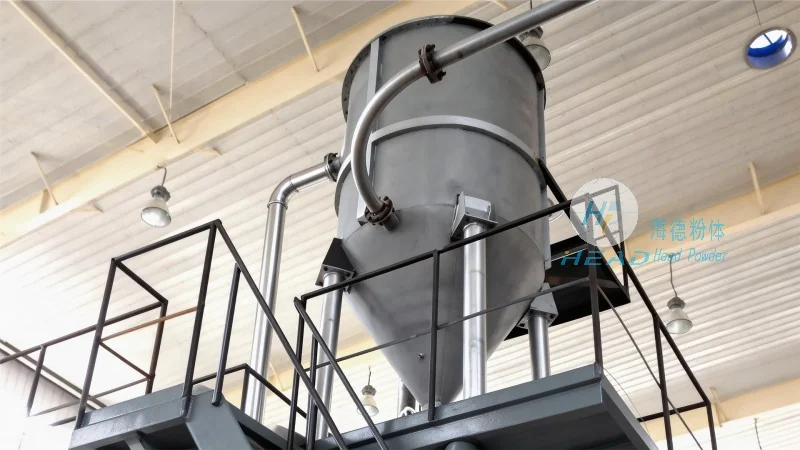
Understanding Aluminum Turnings and Conveying Challenges
Aluminum turnings are small, irregularly shaped pieces of aluminum generated during machining operations. These particles are often mixed with oil, coolant, or other contaminants, making their handling complex. Conveying aluminum turnings involves transporting these lightweight, abrasive materials while maintaining cleanliness, preventing clogging, and ensuring minimal material loss. The primary challenges in aluminum turnings conveying include material variability, potential for dust generation, and the need for systems that can handle both dry and wet conditions. Effective conveying solutions must address these challenges to support seamless integration into downstream processes such as recycling, re-melting, or further processing.
Key Conveying Methods for Aluminum Turnings
Screw Conveyors: A Versatile Solution for Horizontal and Inclined Transport
Screw conveyors, also known as auger conveyors, are widely used for aluminum turnings due to their simplicity and adaptability. These systems consist of a rotating helical screw blade enclosed in a U-shaped or cylindrical trough. The screw rotates, pushing the material forward along the trough. Screw conveyors are particularly effective for horizontal or slight incline transport, making them suitable for conveying aluminum turnings from one processing stage to another. They can handle a wide range of material sizes and moisture content, and their enclosed design helps contain dust and prevent material spillage. For aluminum turnings, screw conveyors are often equipped with special coatings or liners to reduce wear and prevent corrosion, ensuring long-term durability. Headpowder's screw conveyor solutions are designed with high-quality materials and precision engineering to deliver reliable performance in aluminum processing applications.
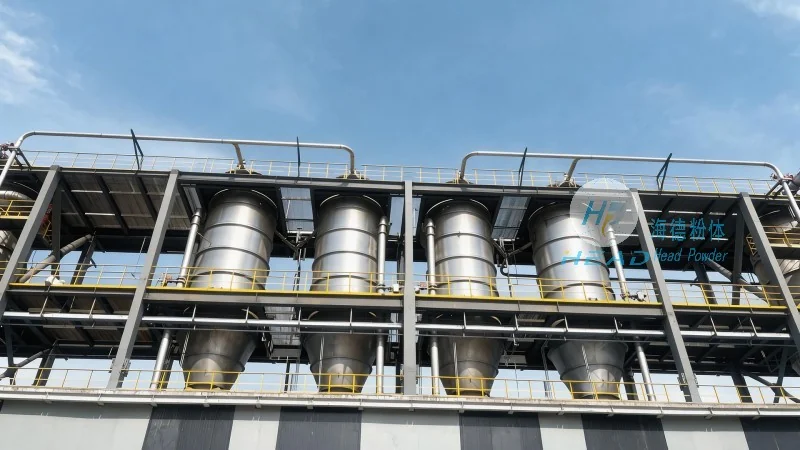
Air-Driven Pneumatic Conveying: Efficient for Long-Distance and Dust-Free Transport
Pneumatic conveying systems use compressed air to transport aluminum turnings in a closed pipeline. This method is ideal for applications requiring long-distance transport or where dust control is critical. There are two main types of pneumatic conveying: pressure and vacuum systems. Pressure systems push material through the pipeline using compressed air, while vacuum systems draw material into the system. Pneumatic conveying offers advantages such as minimal material degradation, low maintenance requirements, and the ability to handle both dry and wet aluminum turnings. However, it requires careful design to ensure consistent air flow and prevent blockages. Headpowder specializes in designing pneumatic conveying systems that optimize air pressure and flow rates to achieve efficient and reliable transport of aluminum turnings, minimizing energy consumption and operational costs.
Belt Conveyors: High-Capacity Solutions for Bulk Material Handling
Belt conveyors are another common method for aluminum turnings conveying, especially in high-volume production environments. These systems use a continuous belt that moves over rollers or pulleys to transport material. Belt conveyors are capable of handling large quantities of aluminum turnings and can be configured for both horizontal and inclined transport. They are particularly effective when the material needs to be transported over long distances or across multiple stages of processing. Belt conveyors offer advantages such as high throughput, low maintenance, and the ability to integrate with other processing equipment. Headpowder's belt conveyor solutions are designed with durable materials and advanced control systems to ensure consistent performance and minimal downtime in aluminum processing facilities.
Bucket Elevators: Vertical Transport for Aluminum Turnings
For vertical transport of aluminum turnings, bucket elevators are an excellent choice. These systems consist of a vertical or inclined conveyor with buckets attached to a chain or belt. The buckets lift the material upward and discharge it at the top. Bucket elevators are ideal for applications where aluminum turnings need to be moved vertically, such as from a collection bin to a processing machine. They are capable of handling a wide range of material sizes and moisture content and can be designed to handle both dry and wet aluminum turnings. Bucket elevators offer advantages such as high vertical lift capacity, low space requirements, and the ability to transport material over long vertical distances. Headpowder's bucket elevator solutions are engineered with heavy-duty components and robust construction to ensure reliable vertical transport of aluminum turnings, supporting efficient material flow in processing plants.
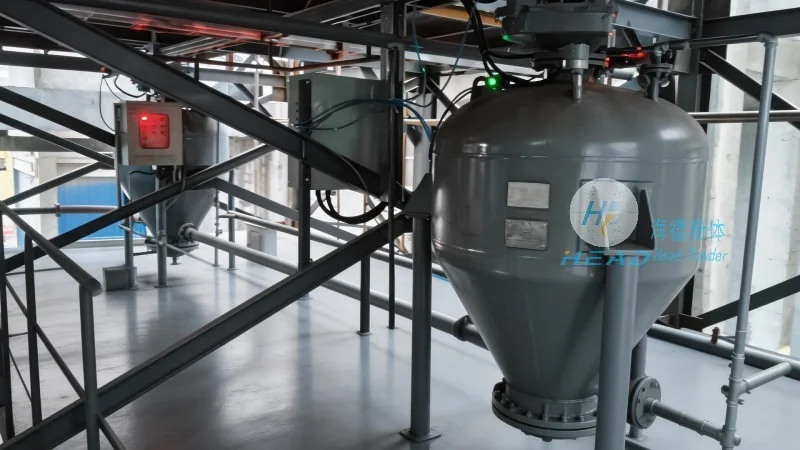
Choosing the Right Conveying Method: Factors to Consider
The selection of an aluminum turnings conveying method depends on several factors, including the volume of material to be transported, the distance between processing stages, the need for dust control, and the specific characteristics of the aluminum turnings (e.g., size, moisture content, contaminants). For example, screw conveyors are suitable for moderate volumes and short to medium distances, while pneumatic conveying is better for long-distance transport or where dust control is critical. Belt conveyors excel in high-volume applications, and bucket elevators are ideal for vertical transport. Headpowder's team of experts works closely with clients to assess their specific requirements and recommend the most appropriate conveying system. By considering factors such as material properties, operational constraints, and cost-effectiveness, businesses can select a conveying method that maximizes efficiency and minimizes downtime.
Conclusion: Optimizing Aluminum Turnings Conveying with Headpowder
Efficient aluminum turnings conveying is essential for maintaining smooth operations in aluminum processing facilities. The choice of conveying method plays a critical role in ensuring material integrity, minimizing waste, and reducing operational costs. Whether using screw conveyors, pneumatic systems, belt conveyors, or bucket elevators, the right solution can significantly enhance productivity and support sustainable practices in the aluminum industry. Shandong HeadPowder Engineering Co., Ltd. (headpowder), with its expertise in material handling solutions, provides customized conveying systems that address the unique challenges of aluminum turnings transport. By leveraging advanced engineering and high-quality materials, headpowder helps businesses optimize their material flow, improve efficiency, and achieve long-term success in aluminum processing. With a focus on reliability, durability, and performance, headpowder's conveying solutions are designed to meet the evolving needs of the aluminum industry, ensuring that aluminum turnings are handled effectively and efficiently from collection to processing.