

Transport Methods for Glucose Powder
Glucose powder, a critical raw material in various industries such as pharmaceuticals, food processing, and chemical manufacturing, requires efficient and reliable transportation to maintain its quality and integrity. The choice of transport method significantly impacts production efficiency, product safety, and operational costs. This article explores the common and effective transport methods for glucose powder, providing insights into how companies like Shandong HeadPowder Engineering Co., Ltd. address these challenges in their operations.
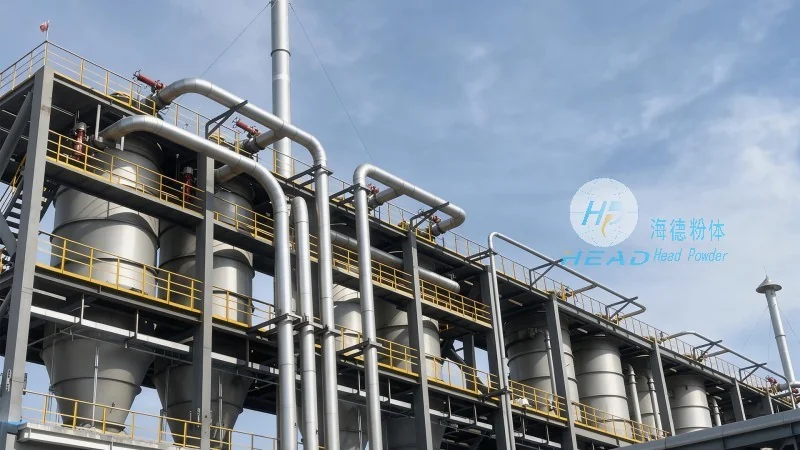
1. Screw Conveyors: A Traditional and Versatile Option
Screw conveyors, also known as auger conveyors, are among the most widely used equipment for transporting glucose powder. These systems consist of a rotating helical screw inside a cylindrical tube, which moves material from one point to another through gravity and the rotational force of the screw. The design allows for both horizontal and inclined transport, making it suitable for various plant layouts. For glucose powder, which is typically free-flowing but can be prone to caking under certain conditions, screw conveyors offer several advantages. They provide a continuous and controlled flow, reducing the risk of material segregation and ensuring consistent product quality. Additionally, the enclosed design helps prevent contamination from external sources and minimizes dust emissions, which is crucial for maintaining the purity of glucose powder used in sensitive applications like pharmaceuticals. Shandong HeadPowder Engineering Co., Ltd. utilizes advanced screw conveyor designs that incorporate features like variable speed drives and material conditioning sections to optimize the transport of glucose powder, ensuring smooth operation and minimal product degradation.
2. Pneumatic Conveying Systems: High-Speed and Flexible Solutions
Pneumatic conveying systems represent a more advanced approach to transporting glucose powder, particularly in applications requiring high speed, long-distance transport, or the need to handle materials in a closed environment. These systems use air or other gases to move the powder through a pipeline network. There are two main types of pneumatic conveying: pressure and vacuum. Pressure systems use compressed air to push the material forward, while vacuum systems use a vacuum to draw the material into the pipeline. For glucose powder, pressure systems are often preferred due to their ability to handle larger quantities and maintain a higher degree of material containment. The flexibility of pneumatic conveying allows for integration with existing plant infrastructure, enabling the creation of a fully automated material handling system. This is particularly beneficial for companies like Shandong HeadPowder Engineering Co., Ltd., which may need to transport glucose powder from storage silos to processing lines or between different production facilities. The enclosed nature of pneumatic systems also helps in controlling dust and preventing cross-contamination, which is essential for maintaining the high standards required in the pharmaceutical and food industries. However, the design and maintenance of pneumatic systems require careful consideration, as factors such as air pressure, flow rates, and material properties can significantly impact performance. Properly designed pneumatic conveying systems for glucose powder can achieve high efficiency and reliability, reducing downtime and operational costs.

3. Belt Conveyors: Ideal for Bulk and Continuous Transport
Belt conveyors are another common method for transporting glucose powder, especially in bulk handling applications where large volumes need to be moved over short to medium distances. These systems consist of a continuous belt that moves over rollers or pulleys, transporting the material from one location to another. Belt conveyors are particularly effective for glucose powder because they can handle a wide range of particle sizes and flow rates without causing excessive wear or degradation. The smooth operation of belt conveyors ensures that the powder remains in a free-flowing state, minimizing the risk of caking or blockages. For companies like Shandong HeadPowder Engineering Co., Ltd., belt conveyors are often used in conjunction with other equipment, such as hoppers and feeders, to create a seamless material handling process. The design of belt conveyors can be customized to meet specific operational requirements, including the use of special belts with anti-static properties to prevent dust accumulation and ensure safety in environments where static discharge could be a hazard. Additionally, the enclosed design of belt conveyors helps in maintaining the purity of glucose powder by preventing exposure to air and contaminants. While belt conveyors are generally reliable, they require regular maintenance to ensure proper tension and alignment, which is crucial for preventing material spillage and maintaining operational efficiency.
4. Bucket Elevators: Vertical Transport Solutions
For applications requiring vertical transport of glucose powder, bucket elevators are an excellent choice. These systems use a series of buckets attached to a belt or chain that moves vertically, lifting the material from a lower level to a higher one. Bucket elevators are particularly useful in plants where the layout involves multiple levels, as they can efficiently transport glucose powder between floors without the need for additional horizontal transport equipment. The design of bucket elevators allows for high capacity and continuous operation, making them suitable for large-scale production environments. For glucose powder, the buckets are typically designed to be smooth and non-stick to prevent material buildup and ensure efficient discharge. This is important because caked material can cause blockages and reduce the overall efficiency of the system. Shandong HeadPowder Engineering Co., Ltd. may use bucket elevators in their facilities to transport glucose powder from ground-level storage to elevated processing lines, ensuring a smooth and uninterrupted flow of material. The enclosed nature of bucket elevators also helps in controlling dust and maintaining the quality of the glucose powder, which is critical for applications where purity is paramount. Properly maintained bucket elevators can provide long-term reliability and low maintenance costs, contributing to the overall efficiency of the material handling process.
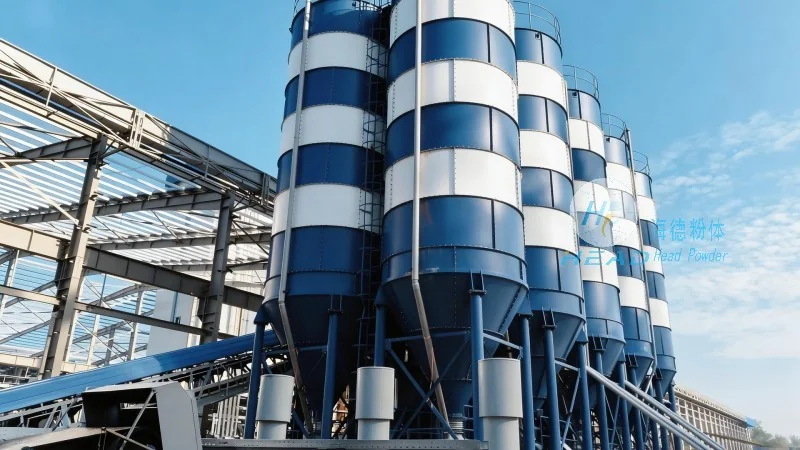
5. Vibrating Conveyors: Gentle and Efficient Transport
Vibrating conveyors are a specialized type of transport system that uses vibrations to move glucose powder along a trough. These systems are particularly effective for handling materials that are prone to caking or have a tendency to stick to surfaces, as the vibrations help to break up agglomerates and maintain a free-flowing state. The design of vibrating conveyors typically involves a trough that is mounted on springs and driven by an electric motor, which causes the system to vibrate at a specific frequency. This vibration helps to move the material forward by creating a series of waves that push the powder along the trough. For glucose powder, vibrating conveyors are often used in applications where the material needs to be transported over long distances or through multiple processing stages. The gentle nature of the transport process minimizes the risk of product degradation and ensures that the powder remains in its original state. Shandong HeadPowder Engineering Co., Ltd. may incorporate vibrating conveyors into their material handling systems to transport glucose powder from storage to processing areas, ensuring that the material is handled with care and without causing damage. The enclosed design of vibrating conveyors also helps in controlling dust and maintaining the purity of the glucose powder, which is essential for meeting industry standards. While vibrating conveyors are generally effective, they require regular maintenance to ensure that the vibration mechanism is functioning correctly and that the trough is free from debris that could affect performance.
6. Considerations for Choosing the Right Transport Method
When selecting a transport method for glucose powder, several factors need to be considered to ensure optimal performance and cost-effectiveness. First, the material properties of the glucose powder, such as its particle size, moisture content, and flow characteristics, play a crucial role in determining the most suitable transport system. For example, free-flowing glucose powder may be suitable for screw or belt conveyors, while more cohesive or caking-prone powders may require pneumatic or vibrating conveyors. Second, the distance and layout of the plant are important considerations. Short horizontal distances may be handled by screw or belt conveyors, while longer distances or vertical transport may require pneumatic or bucket elevators. Third, the production capacity and throughput requirements of the facility must be taken into account. High-volume production may necessitate the use of multiple transport systems or larger-capacity equipment. Fourth, the need for material containment and dust control is critical, especially in industries like pharmaceuticals and food processing, where product purity is paramount. Finally, the cost of equipment, installation, and maintenance should be evaluated to ensure that the chosen transport method provides a good return on investment. Shandong HeadPowder Engineering Co., Ltd., with its expertise in material handling solutions, can provide guidance on selecting the most appropriate transport method for glucose powder based on these factors, ensuring that their clients achieve efficient, reliable, and cost-effective material transport in their operations.