

What are the delivery methods for sodium hydroxide?
When it comes to transporting sodium hydroxide, also known as caustic soda, there are several effective methods tailored to different industrial needs. The choice of delivery method depends on factors such as the volume required, the distance of transport, and the specific application in the receiving facility. Here, we explore the primary delivery methods used by Shandong HeadPowder Engineering Co., Ltd., a leading provider in the field.
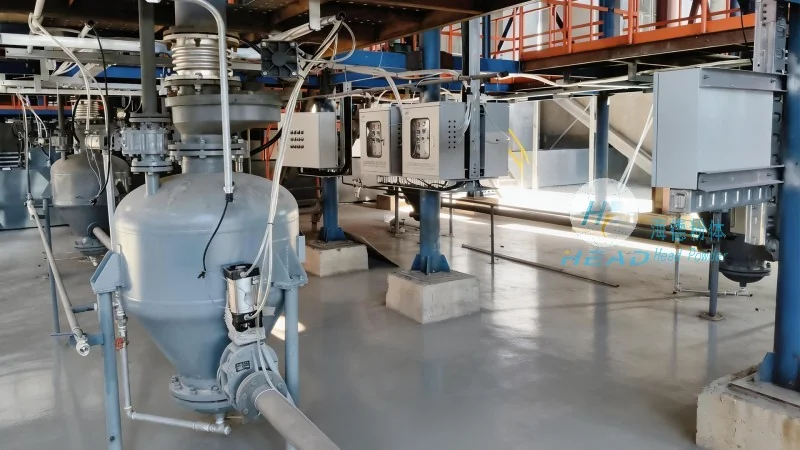
Pipeline Transportation
For large-scale industrial operations, pipeline transportation is a highly efficient method. This involves pumping sodium hydroxide through dedicated pipelines from the production plant to the end-user facility. The process is continuous and can handle high volumes with minimal disruption. Companies like HeadPowder often design and install these pipelines, ensuring compliance with safety and regulatory standards. The use of corrosion-resistant materials, such as stainless steel or special coatings, is crucial to prevent degradation of the caustic solution during long-term transport.
Truck Tanker Transportation
For medium to large quantities, truck tanker transport is a common and flexible option. Tankers are specially designed to carry sodium hydroxide, equipped with insulated and sealed systems to maintain the product's temperature and prevent leaks. This method allows for direct delivery to the customer's site, eliminating the need for intermediate storage. The trucks are operated by trained professionals who follow strict safety protocols, including regular maintenance checks and adherence to hazardous material regulations. HeadPowder collaborates with certified transport partners to ensure reliable and safe delivery of sodium hydroxide to clients across China and beyond.

Packaging and Bulk Delivery
In addition to bulk transport via pipelines and tankers, sodium hydroxide is also available in various packaging options for smaller-scale applications or when direct delivery to a facility is not feasible. These include:

- Plastic or metal drums and containers, suitable for storing smaller quantities and for use in laboratories or smaller production lines.
- Multi-layered bags or sacks, often used for bulk storage and handling in warehouses or on-site storage areas.
- Specialized bulk containers, such as IBCs (Intermediate Bulk Containers), which are used for intermediate storage and transport between the production site and the end-user.
Each packaging type is designed to maintain the integrity of the sodium hydroxide, preventing contamination and ensuring safe handling. HeadPowder offers a range of packaging solutions tailored to the specific needs of its clients, from small-scale laboratory use to large-scale industrial storage.
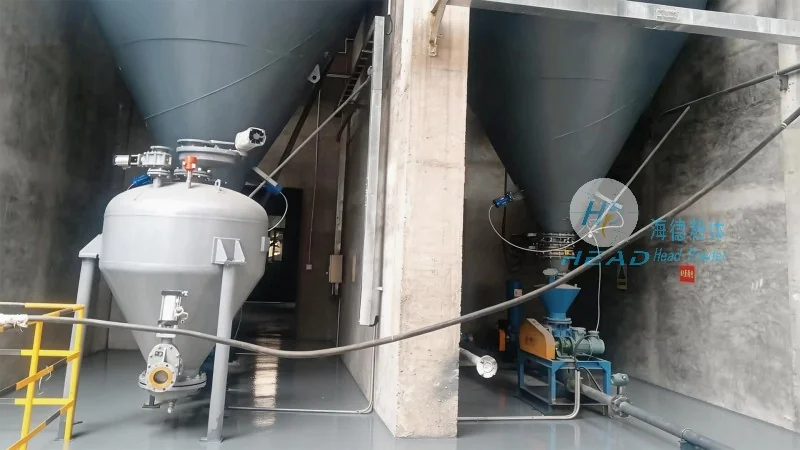
Safety and Compliance in Delivery
Given the caustic nature of sodium hydroxide, safety is paramount throughout the entire delivery process. All delivery methods, whether via pipeline, tanker, or packaging, must adhere to strict safety standards and regulations. This includes proper labeling, handling procedures, and emergency response plans. HeadPowder ensures that all its delivery operations comply with national and international safety guidelines, providing peace of mind to its clients regarding the safe handling and transport of sodium hydroxide.
Conclusion
Choosing the right delivery method for sodium hydroxide is critical to ensuring efficiency, safety, and cost-effectiveness in industrial operations. Whether through pipeline transportation, truck tanker delivery, or specialized packaging, companies like Shandong HeadPowder Engineering Co., Ltd. provide reliable solutions tailored to the unique needs of each client. By leveraging their expertise and commitment to safety, HeadPowder helps industries across various sectors effectively manage the delivery of sodium hydroxide, supporting their production processes and operational success.