

How are Graphite Conveyed?
Graphite, a versatile and widely used material in various industrial applications, requires efficient and reliable conveying methods to ensure smooth operation in processing and manufacturing. The choice of conveying method depends on factors such as the form of graphite (powder, flake, or block), the required throughput, and the environment of the processing plant. Below, we explore several common methods used for graphite conveyance, highlighting their applications and characteristics.
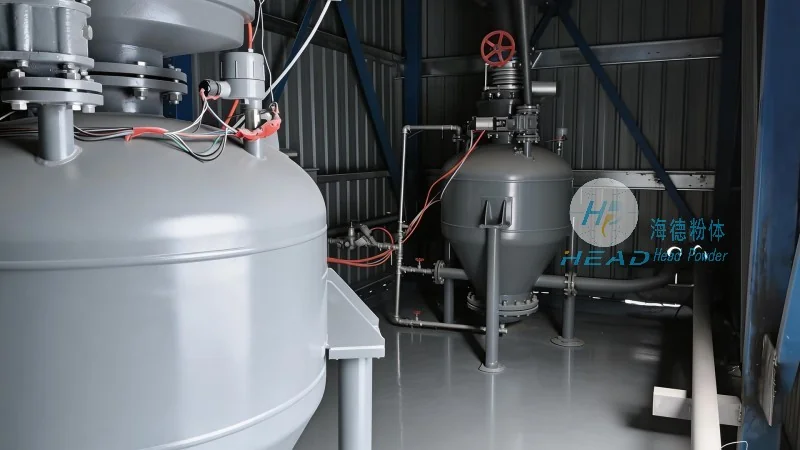
1. Mechanical Conveyors: Traditional and Robust Solutions
Mechanical conveyors are among the most common methods for transporting graphite, particularly in bulk handling scenarios. These systems utilize mechanical components like belts, screws, and buckets to move graphite from one location to another. For example, belt conveyors are widely used for transporting graphite powders or flakes over short to medium distances, offering high capacity and low maintenance. Screw conveyors, on the other hand, are ideal for handling graphite in a continuous flow, especially when the material needs to be elevated or moved horizontally. The robust design of mechanical conveyors makes them suitable for heavy-duty applications, ensuring consistent performance even with abrasive materials like graphite.
2. Pneumatic Conveying Systems: Air-Driven Efficiency
Pneumatic conveying, or air-driven transport, is another effective method for graphite conveyance. This technology uses compressed air to move graphite particles through a pipeline system. There are two main types of pneumatic conveying: dilute phase and dense phase. Dilute phase systems are suitable for transporting graphite powders over longer distances at higher speeds, while dense phase systems are better for handling more viscous or cohesive materials, ensuring minimal product degradation. Pneumatic conveying offers advantages such as low maintenance, the ability to handle fine powders without clogging, and the option for enclosed systems to prevent dust contamination. However, it requires careful design to manage air pressure and flow rates to maintain efficiency and prevent material loss.
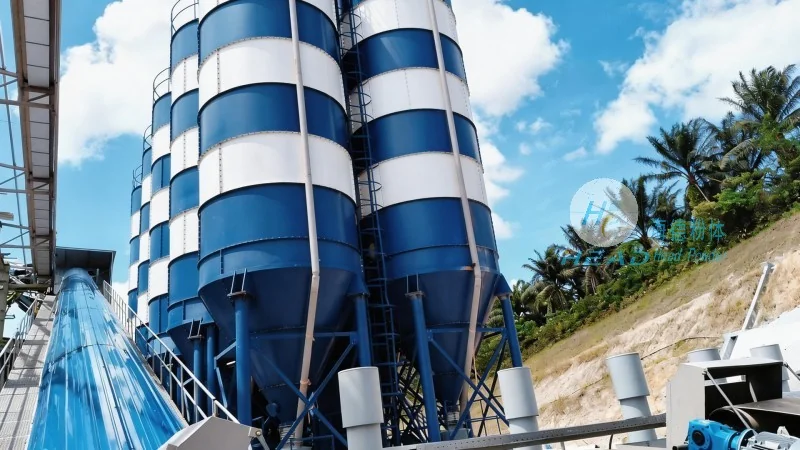
3. Bucket Elevators: Vertical Transport Solutions
When vertical transport of graphite is necessary, bucket elevators provide an efficient solution. These systems consist of a continuous belt or chain with attached buckets that move vertically, lifting graphite from lower to upper levels. Bucket elevators are particularly useful in graphite processing plants where material needs to be elevated to different stages of production, such as from a storage hopper to a processing machine. They offer high capacity and can handle a wide range of graphite forms, including powders and flakes. The enclosed design of bucket elevators helps contain dust and maintain a clean working environment, which is crucial in industrial settings. Additionally, these systems are relatively low maintenance and can operate continuously, making them a reliable choice for vertical graphite conveyance.
4. Screw Feeders and Vibratory Conveyors: Precision and Control
For applications requiring more precise control over the flow of graphite, screw feeders and vibratory conveyors are employed. Screw feeders use a rotating screw to meter and transport graphite, providing accurate control over the material's flow rate. This is essential in processes where consistent dosing is critical, such as in the production of graphite-based composites or coatings. Vibratory conveyors, on the other hand, use vibrations to move graphite along a trough, ensuring smooth and continuous transport. These systems are particularly effective for handling graphite powders that tend to stick to surfaces, as the vibrations help prevent clogging and maintain a consistent flow. Both screw feeders and vibratory conveyors offer advantages in terms of precision and control, making them suitable for applications where uniform material handling is required.
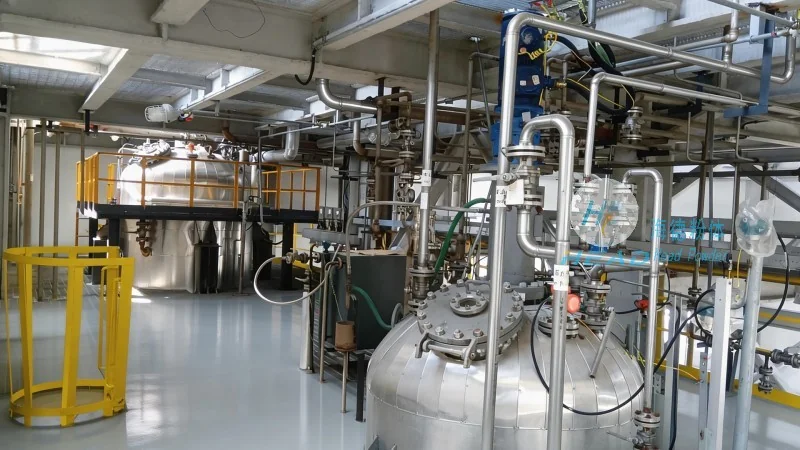
5. Hydraulic Conveying: High-Pressure Transport
Hydraulic conveying systems use high-pressure fluid to transport graphite particles through a pipeline. This method is particularly effective for handling graphite in slurry form, where the material is mixed with water or other liquids. Hydraulic conveyors can transport graphite over long distances with high efficiency, especially in mining or processing operations where large volumes of material need to be moved. The high-pressure fluid ensures that the graphite particles are suspended and transported without clogging the pipeline. However, hydraulic systems require specialized equipment and maintenance, as they involve high-pressure components and fluid management. They are typically used in industrial settings where other conveying methods are not feasible due to the nature of the material or the distance involved.
Company Information: Shandong HeadPowder Engineering Co., Ltd.
For businesses seeking reliable solutions for graphite conveyance, Shandong HeadPowder Engineering Co., Ltd. offers a range of advanced conveying systems tailored to specific industrial needs. As a leading manufacturer in the field, HeadPowder specializes in designing and manufacturing mechanical, pneumatic, and hydraulic conveying equipment suitable for various graphite applications. With a focus on quality and efficiency, the company provides customized solutions that meet the unique requirements of each client. HeadPowder's products are known for their durability, low maintenance, and ability to handle a wide range of graphite forms, ensuring optimal performance in industrial settings. The company's headquarters is located in Shandong, China, where it continues to innovate and develop new technologies to enhance graphite processing and handling. By choosing HeadPowder, companies can ensure that their graphite conveyance systems are efficient, reliable, and tailored to their specific operational needs.