

[Clinker Material Conveying: Principles and Operational Characteristics]
Understanding the fundamental principles and operational characteristics of clinker material conveying is crucial for optimizing material handling processes in cement production facilities. This article delves into the technical aspects of clinker conveying systems, highlighting key mechanisms and real-world applications that enhance efficiency and reliability in industrial settings.
Core Principles of Clinker Material Conveying
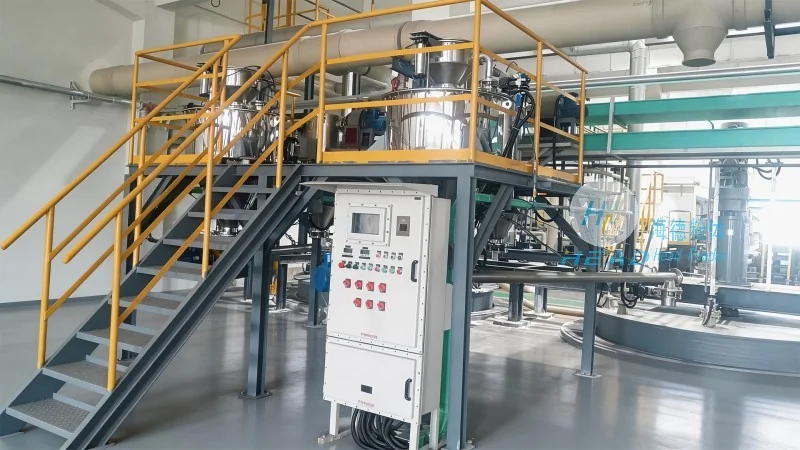
Clinker, a critical intermediate product in cement manufacturing, requires specialized handling due to its high temperature, abrasive nature, and bulk volume. The primary goal of clinker conveying is to transport clinker from the rotary kiln or cooler to storage silos or downstream processing units with minimal energy consumption and maximum operational safety. Several fundamental principles underpin effective clinker conveying systems:
Firstly, the design of clinker conveying systems must account for the thermal properties of clinker. As clinker exits the kiln at temperatures exceeding 1400°C, it needs to be cooled and handled under controlled conditions to prevent thermal damage to equipment and ensure worker safety. Cooling mechanisms, such as air-cooling or water-cooling systems, are often integrated with the conveying process to reduce clinker temperature to manageable levels before transport.
Secondly, the mechanical properties of clinker, including its hardness and abrasiveness, necessitate the use of durable materials for conveyor components. High-strength steel, wear-resistant coatings, and robust drive systems are essential to withstand the continuous impact and friction caused by clinker particles. This focus on material durability directly impacts the longevity and maintenance costs of the conveying system.
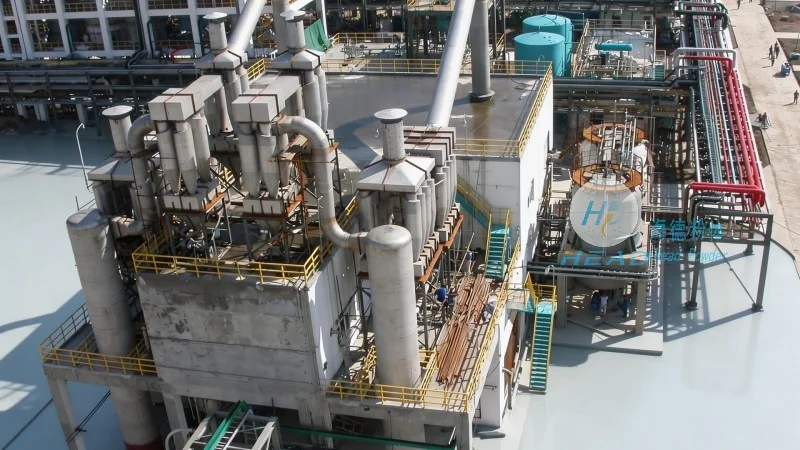
Thirdly, the bulk density and flow characteristics of clinker influence the choice of conveying method. Clinker typically has a bulk density ranging from 1000 to 1500 kg/m³, and its flow behavior can be affected by moisture content and particle size distribution. Conveying systems must be designed to maintain consistent flow rates, preventing blockages or uneven material distribution that could lead to system inefficiencies.
Key Operational Characteristics in Different Scenarios
The operational characteristics of clinker conveying systems vary significantly based on the specific application and environmental conditions. Understanding these variations is vital for selecting the most appropriate technology for a given industrial setting.
One common scenario involves the internal transport of clinker within a cement plant. In this context, clinker is often conveyed from the cooler to the storage silos using a combination of belt conveyors, bucket elevators, and pneumatic conveying systems. Belt conveyors are widely used for horizontal and slight incline transport due to their high capacity and reliability, while bucket elevators are ideal for vertical lifts, especially in multi-level plant layouts. Pneumatic conveying systems, though more complex and energy-intensive, offer flexibility for transporting clinker over longer distances or in complex layouts with multiple turns.
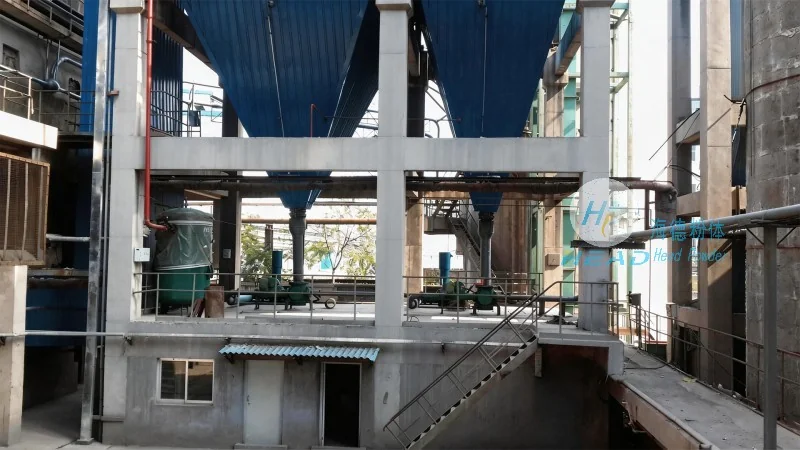
Another critical operational characteristic is the handling of clinker in high-temperature environments. The thermal management of clinker conveying equipment is a key consideration. For instance, belt conveyors may require special heat-resistant materials for the idlers and pulleys to prevent premature wear from direct contact with hot clinker. Additionally, the design of cooling zones within the conveyor system, such as air curtains or water sprays, helps maintain optimal operating temperatures and extends equipment lifespan.
Vertical conveying of clinker also presents unique challenges. The height of the bucket elevator or vertical screw conveyor directly impacts the system's energy consumption and structural requirements. Efficient vertical conveying systems are designed to minimize the number of stages, using high-capacity buckets or screws that can handle large volumes of clinker with minimal power input. The operational characteristic of maintaining consistent vertical flow, even under varying load conditions, is critical to prevent material accumulation and ensure smooth operation.
Horizontal conveying systems, particularly belt conveyors, are subject to factors like material buildup and belt tension. Proper maintenance, including regular cleaning of the conveyor bed and adjustment of belt tension, is essential to prevent belt slip or damage. The operational characteristic of continuous, unidirectional flow is maintained through the use of idler rollers, tensioning mechanisms, and material feeders that ensure a steady supply of clinker to the conveyor.
Company Overview: Shandong HeadPowder Engineering Co., Ltd.
As a leading provider of clinker material conveying solutions, Shandong HeadPowder Engineering Co., Ltd. specializes in designing and manufacturing customized conveying systems tailored to the specific needs of cement manufacturers. With years of experience in the industry, the company has developed a comprehensive portfolio of products that address the diverse challenges of clinker handling.
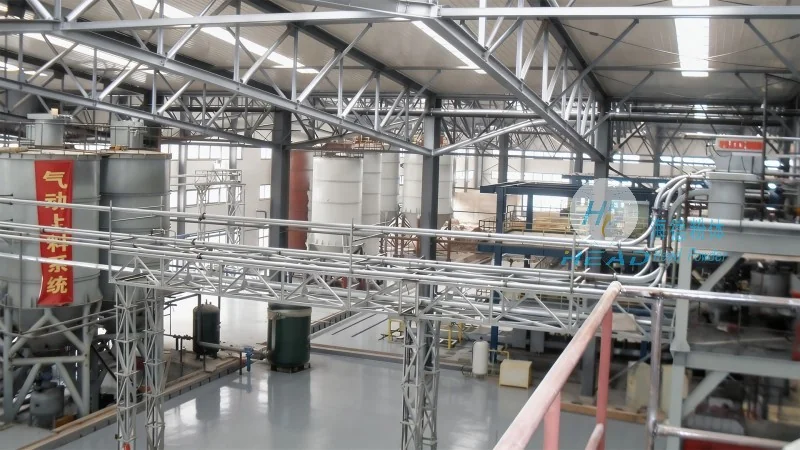
HeadPowder's clinker conveying systems are engineered to meet the highest standards of efficiency, durability, and safety. The company's expertise lies in integrating advanced technologies, such as variable speed drives and automated control systems, to optimize the performance of conveying equipment. These systems are designed to handle the abrasive and high-temperature nature of clinker while minimizing operational costs and downtime.
HeadPowder's commitment to quality is evident in its use of premium materials and rigorous testing protocols. Each conveying system undergoes extensive performance testing to ensure it meets or exceeds industry specifications before delivery. The company also provides comprehensive after-sales support, including maintenance services and technical assistance, to ensure long-term reliability and customer satisfaction.
Headquartered in Shandong, China, Shandong HeadPowder Engineering Co., Ltd. serves clients globally, delivering tailored clinker conveying solutions that enhance the productivity and sustainability of cement production facilities. The company's focus on innovation and customer-centric design has established it as a trusted partner in the cement industry.