

Principles and Working Scene Characteristics of Textile Fiber Material Conveying
HeadPowder, a leading provider in the field, specializes in the design and implementation of efficient textile fiber material conveying systems. These systems are crucial for the seamless transport of raw materials and finished products within textile manufacturing facilities. The core principle behind such systems involves the use of specialized equipment to move fibers, yarns, and other textile components with precision and reliability.
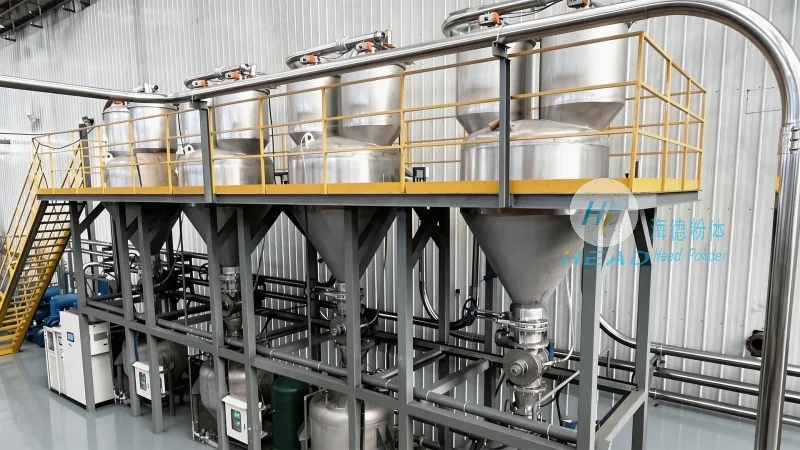
Key Principles of Material Conveying in Textile Industry
The fundamental principle of textile fiber material conveying is to ensure the smooth and continuous movement of materials from one processing stage to another. This typically involves the integration of various components such as conveyors, hoppers, and control systems. The design of these systems must consider factors like material type, weight, and moisture content to optimize performance. For instance, pneumatic conveying systems are often used for lightweight fibers due to their ability to handle fine particles efficiently, while mechanical conveyors like belt or chain systems are suitable for heavier or bulkier materials.
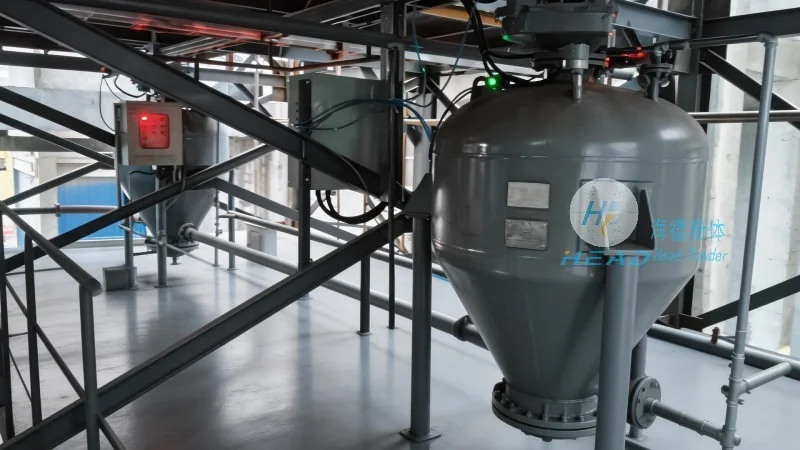
Working Scene Characteristics: Manufacturing Facilities
In textile manufacturing plants, the conveying systems operate within a complex production environment. The primary working scene is the production line where raw fibers are processed into yarns and then into fabrics. The system must handle high volumes of material while maintaining minimal downtime. For example, in a spinning mill, the conveying system might transport raw cotton or synthetic fibers from storage to the carding and drawing machines. The efficiency of this process directly impacts the overall production output and quality of the final textile products.
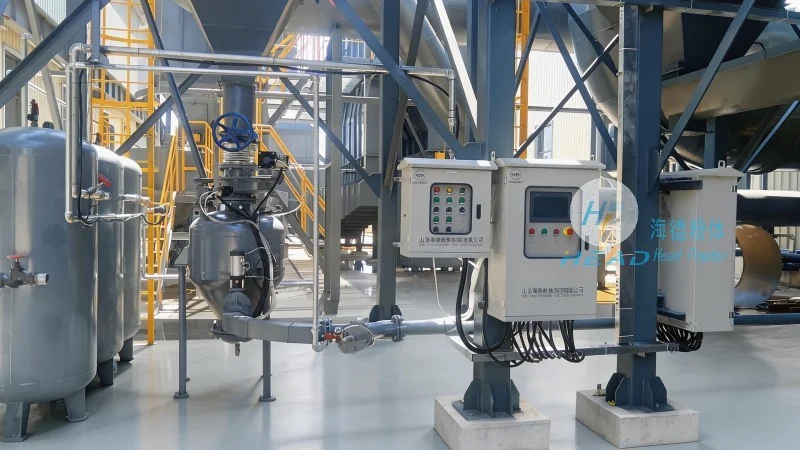
Working Scene Characteristics: Warehouse and Storage Areas
Another critical working scene is the warehouse and storage areas where raw materials and finished goods are stored. The conveying systems in these areas are designed to handle bulk storage and retrieval. Automated conveyor belts or vertical lift systems are commonly used to move large rolls of fabric or bales of fibers between storage racks and processing machines. This ensures that materials are readily available for production while maintaining organized storage. The system's ability to handle different sizes and weights of materials is essential for efficient inventory management.
Working Scene Characteristics: Quality Control and Inspection Stations
Quality control is a vital aspect of textile production, and the conveying system plays a role in facilitating inspection processes. In quality control stations, the system may transport samples of fabric or yarn to inspectors for evaluation. This ensures that only materials meeting specific standards proceed to the next stage. The system must be capable of handling delicate materials without causing damage, which is crucial for maintaining product integrity. For instance, a gentle conveyor system might be used to transport fine silk or delicate lace for inspection.
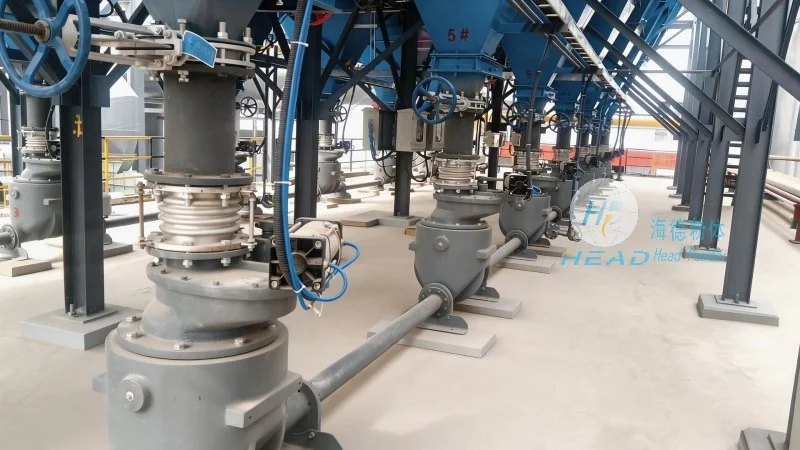
Working Scene Characteristics: Packaging and Distribution
At the end of the production process, the conveying system assists in packaging and distribution. Finished textiles are often conveyed to packaging stations where they are folded, bundled, or boxed for shipment. The system must handle various packaging sizes and weights, ensuring that products are moved efficiently to the shipping area. This final stage of the conveying process is critical for meeting delivery timelines and customer expectations.