

Principles and Working Scene Characteristics of Wet Ammonium Nitrate Material Handling
Wet ammonium nitrate is a critical material in various industrial applications, and efficient material handling is essential for ensuring safety, productivity, and compliance with industry standards. This article explores the principles underlying the handling of wet ammonium nitrate and highlights the key characteristics of different working scenes where such operations are conducted. The information is presented by Shandong HeadPowder Engineering Co., Ltd., a leading provider of engineering solutions for material handling systems.
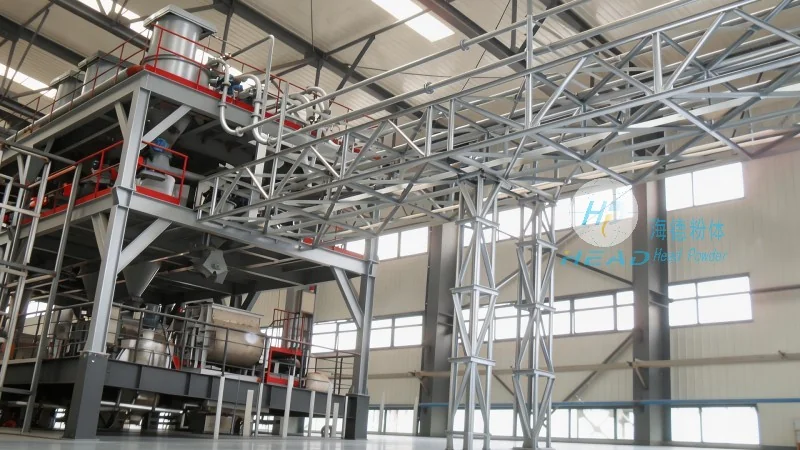
Company Overview
Shandong HeadPowder Engineering Co., Ltd., commonly known as HeadPowder, is a reputable company based in Shandong, China. With a strong focus on innovation and expertise in material handling technologies, HeadPowder specializes in designing, manufacturing, and implementing systems tailored to the unique requirements of wet ammonium nitrate handling. The company's commitment to safety, efficiency, and customer satisfaction has established it as a trusted partner in the industry.
Principles of Wet Ammonium Nitrate Material Handling
The handling of wet ammonium nitrate involves several key principles that ensure safe and effective operation. First, the material's physical properties, such as its moisture content and granular structure, must be carefully considered. Wet ammonium nitrate is typically a granular solid with a high moisture level, which can affect its flowability and handling characteristics. Proper moisture control and material conditioning are crucial to prevent issues like caking or agglomeration that could impede the material flow. Second, the design of the handling system must account for the material's chemical stability and potential hazards. Ammonium nitrate is a sensitive compound that can be prone to decomposition under certain conditions, making it essential to implement temperature and pressure controls to maintain its stability. Third, the system must incorporate appropriate safety measures to mitigate risks associated with the material, including explosion-proof designs, fire suppression systems, and emergency shutdown protocols. These principles collectively form the foundation for reliable wet ammonium nitrate material handling operations.
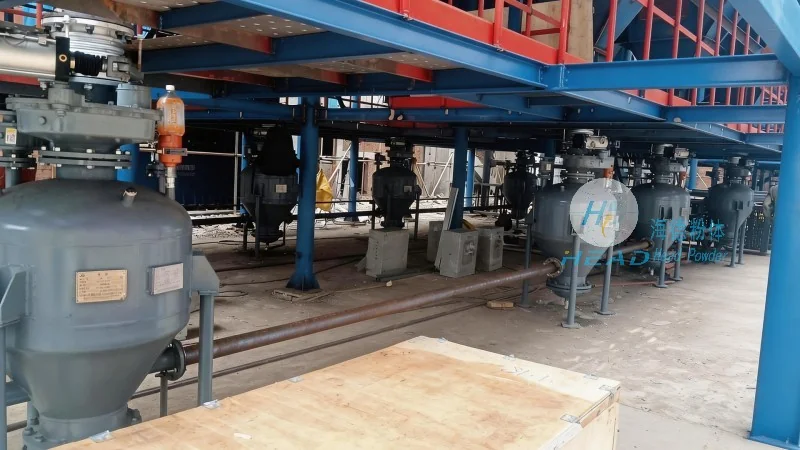
Key Working Scene Characteristics
The characteristics of working scenes where wet ammonium nitrate is handled vary significantly based on the specific application and operational environment. Understanding these characteristics is vital for selecting the appropriate handling equipment and system configuration. One common working scene is in fertilizer production facilities, where wet ammonium nitrate is processed into various fertilizer products. In such settings, the material is often transferred from storage silos to processing units through conveyor systems or pneumatic conveying lines. The handling equipment must be capable of handling high volumes of material while maintaining low dust emissions and preventing contamination. Another working scene is in mining and quarry operations, where wet ammonium nitrate is used as an explosive material. Here, the handling system must be robust and capable of withstanding harsh environmental conditions, including dust, moisture, and temperature fluctuations. The equipment is typically designed for high durability and reliability to ensure continuous operation in demanding mining environments. Additionally, in chemical processing plants, wet ammonium nitrate may be used as a raw material for other chemical products. The handling system in this scenario must integrate seamlessly with existing processing lines, ensuring precise dosing and minimal material loss. Each of these working scenes presents unique challenges and requirements, and the handling system must be tailored to meet the specific needs of the application.
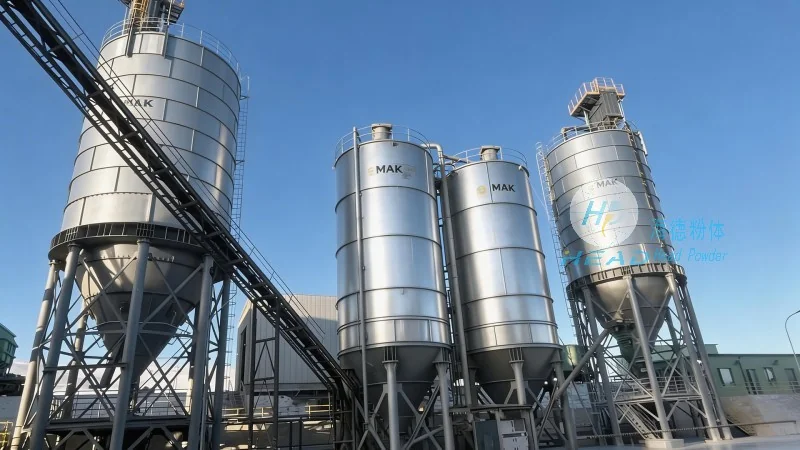
System Components and Design Considerations
The effective handling of wet ammonium nitrate requires a comprehensive system that includes various components designed to address the material's properties and operational needs. Key components typically include storage silos or hoppers, conveyor systems (such as belt conveyors or screw conveyors), pneumatic conveying equipment, and material conditioning devices. The storage silos are designed to maintain the material's moisture content and prevent segregation, which can affect flowability. Conveyor systems are used to transport the material from storage to processing or discharge points, with options like belt conveyors for bulk material handling and screw conveyors for more precise control. Pneumatic conveying systems are often employed for long-distance or high-temperature applications, providing flexibility in material transport. Material conditioning devices, such as rotary dryers or agitators, are used to adjust the moisture content and prevent caking, ensuring consistent material properties. The design of these components must consider factors like material compatibility, corrosion resistance, and maintenance accessibility. For example, equipment made from stainless steel or specialized alloys is often used to prevent corrosion from the acidic nature of wet ammonium nitrate. Additionally, the system must incorporate safety features like explosion-proof motors, dust collection systems, and emergency shutdown valves to protect personnel and equipment. The integration of these components into a cohesive system ensures efficient and safe material handling, aligning with industry best practices and regulatory requirements.
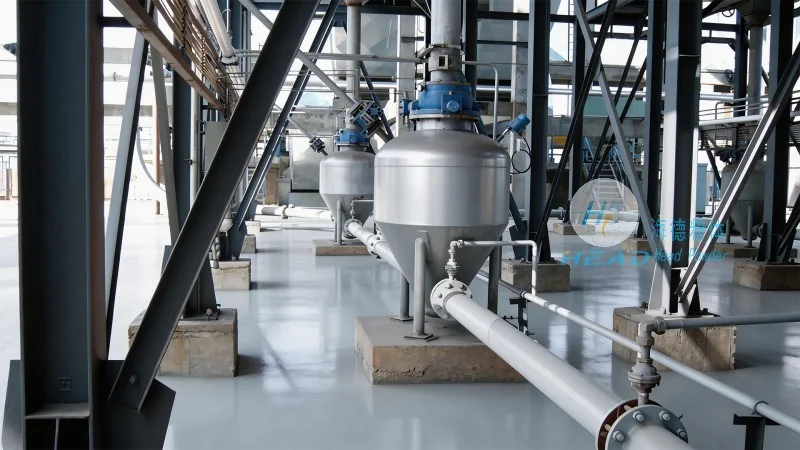
Operational Efficiency and Safety Measures
Operational efficiency and safety are paramount in wet ammonium nitrate material handling. The system must be designed to minimize downtime, maximize throughput, and ensure the safety of all personnel involved. Regular maintenance and inspection of the handling equipment are critical to prevent mechanical failures and ensure consistent performance. The use of advanced control systems, such as programmable logic controllers (PLCs) and sensors, allows for real-time monitoring of material flow, temperature, and pressure, enabling prompt adjustments to maintain optimal conditions. These systems also facilitate data collection and analysis, which can be used to identify areas for improvement and enhance overall operational efficiency. Safety measures are equally important, as wet ammonium nitrate can pose risks if not handled properly. The implementation of explosion-proof designs, fire suppression systems, and emergency shutdown protocols helps mitigate these risks. Personnel training is also essential, as operators must be well-versed in the safe operation of the handling system and the potential hazards associated with wet ammonium nitrate. Regular safety drills and compliance with industry standards, such as those set by the Occupational Safety and Health Administration (OSHA), further enhance the safety of the operation. By prioritizing both efficiency and safety, the handling system can operate reliably and effectively, meeting the demands of the application while minimizing risks.
Conclusion
In conclusion, the handling of wet ammonium nitrate requires a comprehensive understanding of its properties and the specific characteristics of the working scene. The principles and components discussed in this article provide a foundation for designing and implementing effective material handling systems. Shandong HeadPowder Engineering Co., Ltd. offers specialized solutions tailored to these needs, ensuring that wet ammonium nitrate is handled safely, efficiently, and in compliance with industry standards. By leveraging the expertise and technology of HeadPowder, industries can enhance their material handling operations and achieve better overall performance. The importance of proper handling cannot be overstated, as it directly impacts the safety of personnel, the efficiency of operations, and the quality of the final product. As the demand for wet ammonium nitrate continues to grow, the development of advanced handling systems remains critical to meeting the evolving needs of the industry.