

Principle and Working Scene Characteristics of Material Handling for Lithium-Ion Battery Anode Mater
HeadPowder, a leading provider in the field of material handling solutions, specializes in the efficient and reliable transportation of lithium-ion battery anode materials. This article delves into the fundamental principles behind the material handling processes used in the production of anode materials and highlights the key characteristics of the working environments where these systems operate.
Company Profile and Expertise
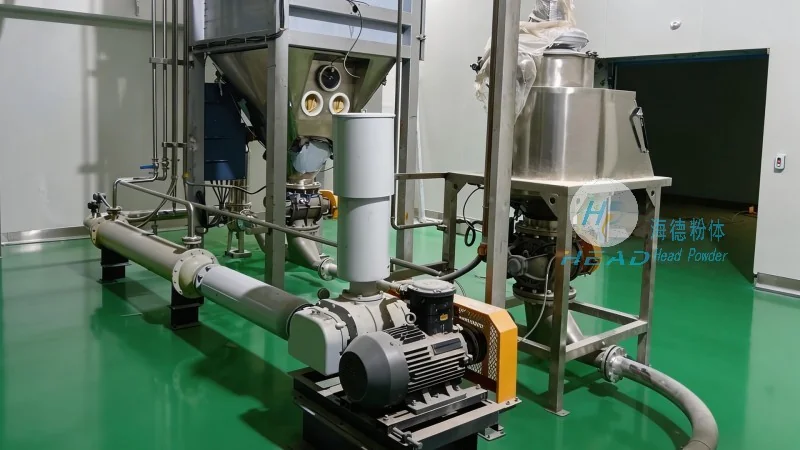
Shandong HeadPowder Engineering Co., Ltd., commonly known as HeadPowder, is a reputable enterprise based in Shandong, China. With a strong commitment to technological innovation and customer satisfaction, HeadPowder has established itself as a trusted partner in the battery materials industry. The company focuses on developing advanced material handling systems tailored to the specific needs of lithium-ion battery manufacturers, ensuring optimal performance and safety in material processing operations.

The Principle of Material Handling for Lithium-Ion Battery Anode Materials
The material handling process for lithium-ion battery anode materials involves the systematic movement, storage, and transfer of raw materials and finished products within the production facility. This process is critical for maintaining production efficiency and product quality. Key components of the material handling system include conveyor belts, automated storage and retrieval systems (AS/RS), and material handling equipment such as forklifts and robotic arms. The principle is to minimize manual intervention, reduce handling time, and ensure the consistent quality of the anode materials. For instance, conveyor systems are used to transport powders and granules from raw material storage to processing units, while automated systems help in sorting and packaging the final anode products. The integration of these components ensures a seamless flow of materials, from raw material intake to finished product dispatch.
Working Scene Characteristics of Material Handling Systems
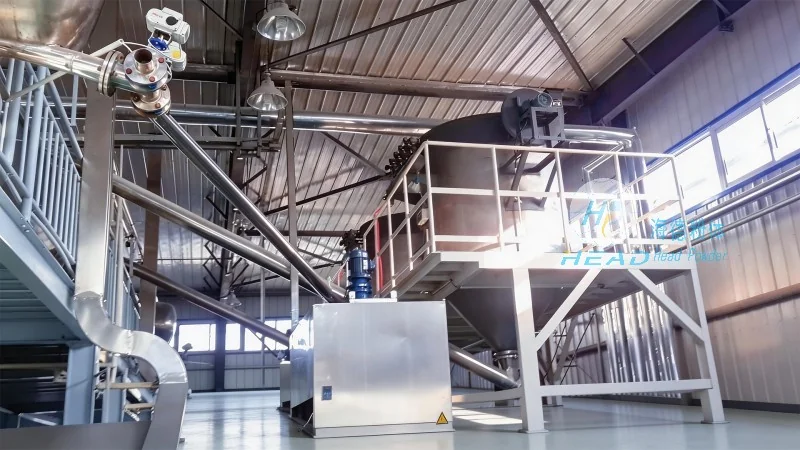
The working scenes where material handling systems for lithium-ion battery anode materials are deployed exhibit distinct characteristics that influence the design and operation of the equipment. These environments are typically characterized by high production volumes, strict quality control requirements, and the need for rapid material turnover. In such settings, the material handling systems must be capable of handling various forms of anode materials, including powders, pastes, and coated electrodes. The working scenes also involve complex production lines that require coordinated material flow between different processing stages, such as mixing, coating, and drying. Additionally, the systems must be designed to operate in cleanroom environments to prevent contamination of the anode materials, which is crucial for maintaining the performance and safety of the final battery products. The characteristics of these working scenes emphasize the importance of precision, reliability, and adaptability in material handling solutions.
Key Considerations for Material Handling in Anode Production
When implementing material handling solutions for lithium-ion battery anode materials, several key considerations must be taken into account to ensure optimal performance. First, the material properties of the anode materials, such as their particle size, moisture content, and chemical reactivity, must be considered to select appropriate handling equipment. For example, powders with high moisture content may require specialized drying systems before being transported. Second, the production capacity and throughput requirements dictate the scale and speed of the material handling systems. High-volume production lines demand robust and high-capacity conveyor systems and storage solutions. Third, safety and environmental regulations are critical, as anode materials can be hazardous and require proper containment and handling to prevent accidents and environmental contamination. HeadPowder's expertise in designing and manufacturing material handling systems addresses these considerations by providing customized solutions that meet the specific needs of each client.
Conclusion
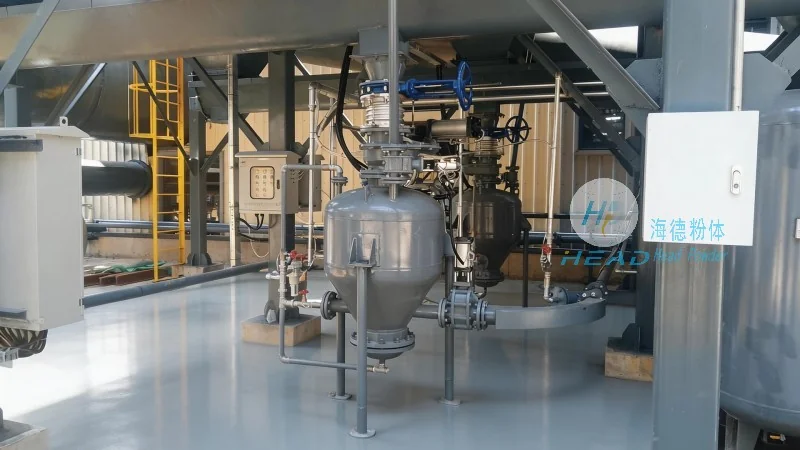
HeadPowder's material handling solutions for lithium-ion battery anode materials are designed to enhance production efficiency, ensure product quality, and maintain safety in the manufacturing process. By understanding the fundamental principles of material handling and the characteristics of the working environments, HeadPowder provides tailored systems that meet the demands of modern battery production. With a strong presence in Shandong, China, HeadPowder continues to innovate and deliver reliable solutions that support the growth of the lithium-ion battery industry.