

Principles and Working Scene Characteristics of Maltose Material Handling Equipment
Maltose material handling equipment is a specialized system designed to efficiently transport maltose, a key sugar product derived from starch hydrolysis, through various production and processing stages. This equipment plays a crucial role in the maltose manufacturing industry, ensuring smooth material flow from raw material input to finished product output. The design and functionality of such equipment are tailored to meet the specific demands of maltose production, including considerations for material properties, processing requirements, and operational efficiency. As a leading provider in the field, Shandong HeadPowder Engineering Co., Ltd. specializes in developing and manufacturing high-quality maltose material handling solutions that meet the stringent standards of the industry.
Principles of Maltose Material Handling Equipment
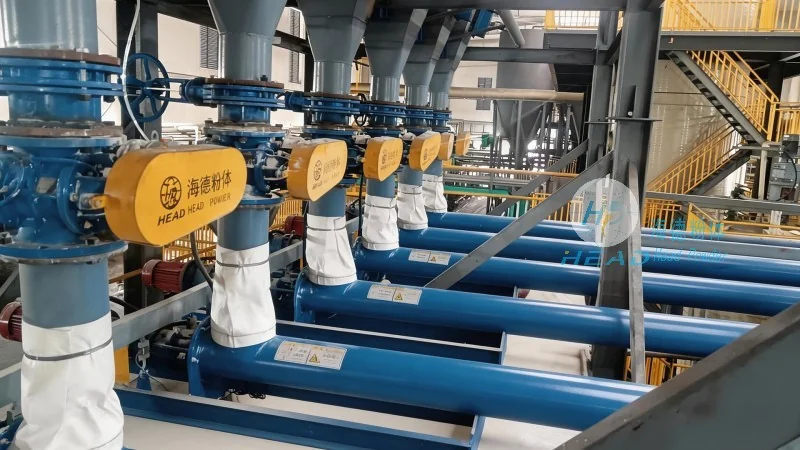
The core principle of maltose material handling equipment lies in its ability to move maltose in a controlled and consistent manner. Typically, these systems employ mechanical or pneumatic mechanisms to transport the material. For instance, belt conveyors are commonly used for horizontal or slight incline transport, while screw conveyors are suitable for vertical or inclined movement. The equipment is engineered to handle the granular or powdered nature of maltose, ensuring minimal product degradation and loss during transit. Additionally, features like adjustable speed controls, material flow sensors, and dust suppression systems are integrated to enhance operational safety and product quality. The robust construction of the equipment also ensures durability under continuous operation, reducing the need for frequent replacements and maintenance.
Working Scene Characteristics of Maltose Material Handling Equipment
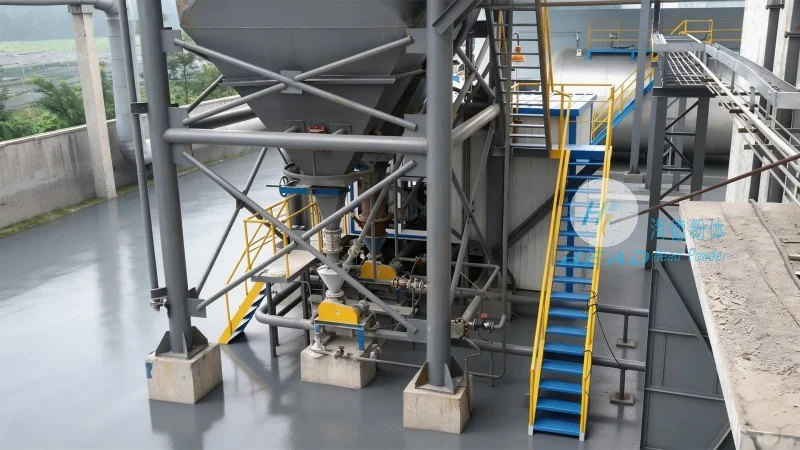
The working scene characteristics of maltose material handling equipment vary based on the specific application and production environment. In large-scale maltose production facilities, these systems are often integrated into automated production lines, where they work in conjunction with other processing equipment such as reactors, filters, and packaging machines. The equipment is designed to handle high-volume material throughput, supporting continuous production processes with minimal downtime. In smaller-scale or batch production settings, the equipment may be more compact and flexible, allowing for easier integration into existing production layouts. Furthermore, the equipment is adapted to work in environments with varying temperature and humidity conditions, ensuring reliable operation under different operational scenarios. The adaptability of the equipment makes it suitable for both industrial and small-scale production environments, catering to diverse production needs.
Key Features and Advantages in Maltose Processing
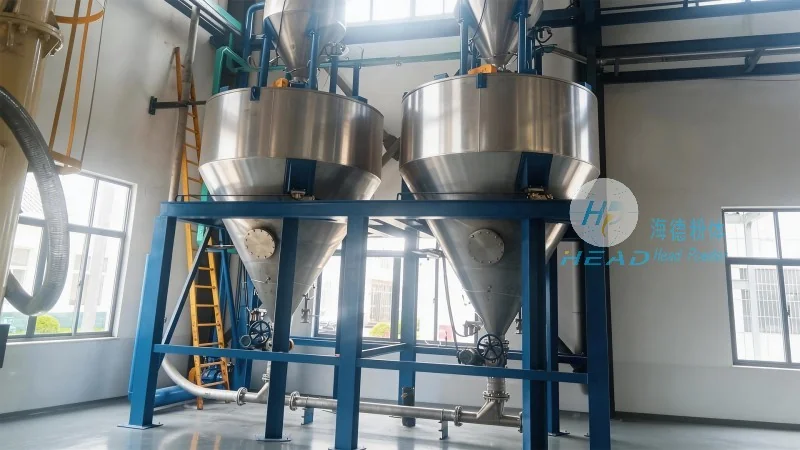
When evaluating maltose material handling equipment, several key features contribute to its effectiveness in the production process. These include robust construction to withstand the abrasive nature of maltose particles, efficient cleaning mechanisms to prevent product contamination, and energy-efficient operation to reduce operational costs. The equipment is also designed for easy maintenance, with accessible components and modular designs that facilitate regular upkeep. These features collectively enhance the overall productivity and reliability of maltose production, making the equipment a vital component in modern maltose manufacturing. The integration of advanced control systems further optimizes the operation, allowing for real-time monitoring and adjustment of material flow, thereby improving process efficiency and product consistency.
Application in Maltose Production Workflow
In the typical maltose production workflow, material handling equipment is positioned at critical stages to ensure seamless material transfer. For example, after the starch hydrolysis process, the maltose solution is often transferred to a drying unit, where the equipment facilitates the movement of wet maltose slurry to drying equipment. The equipment also plays a role in transporting dried maltose from the dryer to packaging machines, ensuring a continuous flow of finished product. The design of the equipment is optimized to handle the specific characteristics of maltose at each stage, such as the moisture content and particle size, to prevent clogging or blockages. This ensures that the production process remains uninterrupted, contributing to higher overall yield and product quality.
Operational Efficiency and Maintenance Considerations
Operational efficiency is a primary consideration when selecting maltose material handling equipment. The equipment is engineered to minimize downtime through features like self-cleaning mechanisms and quick-release components. Regular maintenance is essential to maintain the equipment's performance, and the design facilitates easy access to internal parts for inspection and cleaning. The use of high-quality materials and precision manufacturing ensures long service life, reducing the total cost of ownership over the equipment's lifespan. Additionally, the equipment is designed to comply with industry safety standards, incorporating safety features such as emergency stop buttons and overload protection to prevent accidents and ensure operator safety.
Customization and Scalability for Maltose Production
Shandong HeadPowder Engineering Co., Ltd. offers customized solutions for maltose material handling equipment to meet the unique requirements of different production facilities. The company provides tailored designs that can be scaled to accommodate varying production capacities, from small-scale batch operations to large-scale continuous production. Customization options include different conveyor types, material handling capacities, and integration with existing production systems. The scalability of the equipment allows manufacturers to expand their production capabilities as their business grows, without the need for significant infrastructure changes. This flexibility ensures that the equipment remains a cost-effective and efficient solution for long-term maltose production needs.
Conclusion: The Importance of Specialized Maltose Material Handling Equipment
In conclusion, maltose material handling equipment is a critical component in the efficient and reliable production of maltose. The principles and working scene characteristics of such equipment are designed to address the specific challenges of maltose processing, ensuring optimal material flow and product quality. The advanced features and customization options available from manufacturers like Shandong HeadPowder Engineering Co., Ltd. enhance the operational efficiency and longevity of the equipment, contributing to the overall success of maltose production facilities. As the industry continues to evolve, the importance of specialized material handling equipment will only increase, making it an essential investment for any maltose manufacturer seeking to maintain competitiveness and meet market demands.