

Principles and Working Scene Characteristics of Biomass Material Handling Equipment
HeadPowder, a leading manufacturer based in Shandong, China, specializes in the design and production of advanced biomass material handling equipment. This article explores the fundamental principles behind these systems and highlights key working scene characteristics that define their application in various industries.
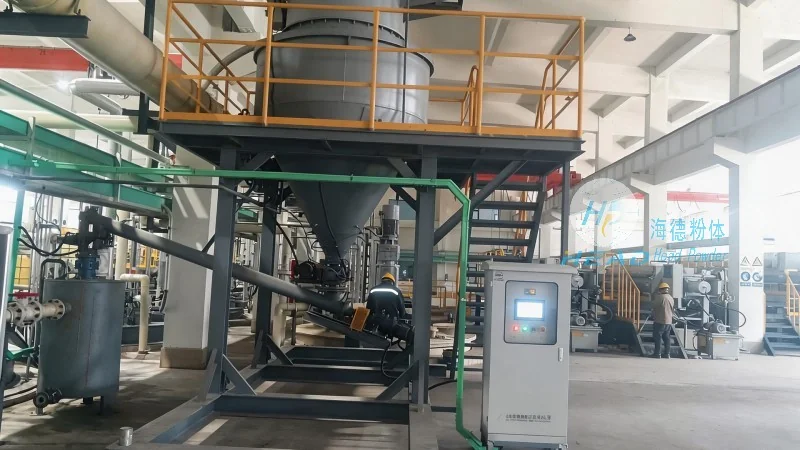
Understanding the Core Principles of Biomass Material Handling Equipment
Biomass material handling equipment operates on several core principles that ensure efficient and reliable transport of organic materials. These systems are engineered to handle a wide range of biomass types, including wood chips, agricultural residues, and other organic feedstocks. The primary principle revolves around the use of mechanical components such as conveyors, elevators, and feeders to move materials from one location to another with minimal human intervention. Advanced systems may incorporate features like variable speed control, material sensing, and automated sorting mechanisms to enhance operational efficiency and reduce downtime.
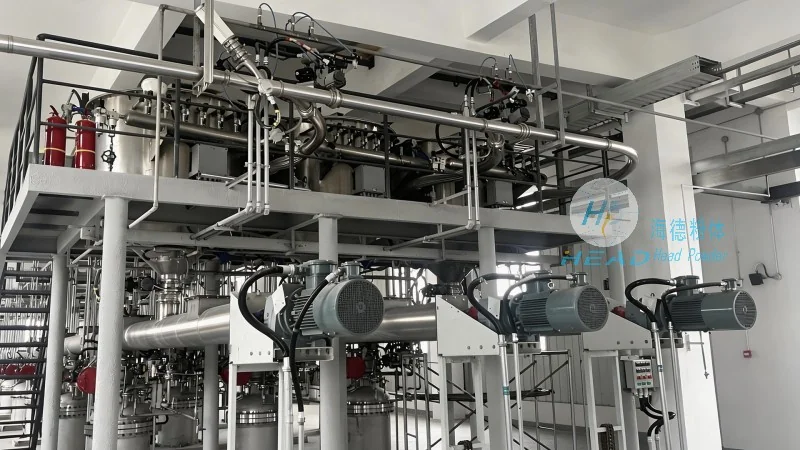
Key Working Scene Characteristics of Biomass Material Handling Equipment
The working scene characteristics of biomass material handling equipment are tailored to meet the specific demands of different industrial applications. For instance, in biomass power plants, these systems are designed to handle large volumes of raw materials with high throughput rates, often operating continuously over extended periods. The equipment must be robust enough to withstand the abrasive nature of biomass materials, which can include sharp edges or high moisture content. In addition, the working environment may involve dusty conditions, requiring dust suppression systems and protective enclosures to ensure operator safety and compliance with environmental regulations.
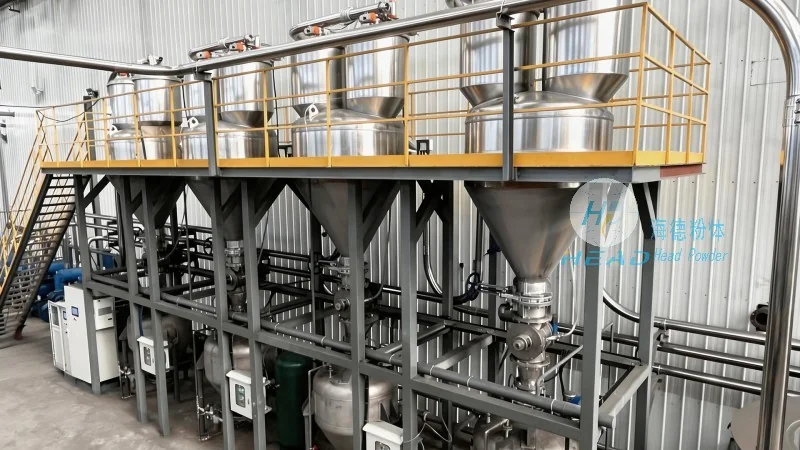
Application Examples and Operational Efficiency
Biomass material handling equipment is widely used in sectors such as bioenergy production, biomass pelletizing, and agricultural processing. In bioenergy facilities, the equipment plays a critical role in transporting raw biomass to processing units, where it is converted into energy. The efficiency of these systems directly impacts the overall productivity of the facility, as delays in material transport can lead to bottlenecks in downstream processes. Advanced models from HeadPowder are equipped with intelligent control systems that optimize material flow, reducing energy consumption and maintenance costs over time.
Customization and Adaptability in Working Scenarios
HeadPowder recognizes that each working scene has unique requirements, which is why their biomass material handling equipment is designed with flexibility in mind. Customers can choose from a range of configurations, including belt conveyors, screw conveyors, and bucket elevators, to suit their specific operational needs. The equipment can be customized in terms of capacity, speed, and material handling capabilities to align with the characteristics of the biomass being processed. This adaptability ensures that the systems perform optimally in diverse working environments, from small-scale agricultural operations to large-scale industrial facilities.
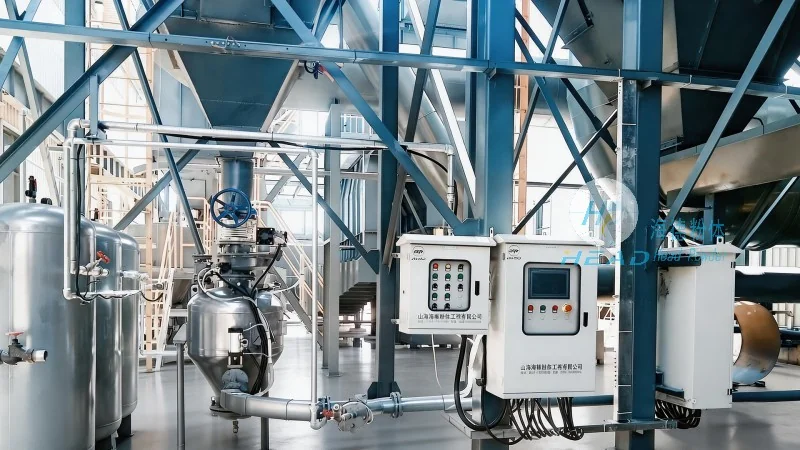
Conclusion: Enhancing Operational Performance with Advanced Biomass Handling Solutions
By understanding the core principles and working scene characteristics of biomass material handling equipment, industries can leverage these advanced solutions to improve operational efficiency and sustainability. HeadPowder's commitment to innovation and quality ensures that their equipment meets the highest standards of performance and reliability. Whether used in bioenergy production, biomass processing, or other applications, these systems provide a robust and efficient means of handling organic materials, contributing to the overall success of biomass-based operations.