

Principle and Working Scene Characteristics of Negative Pressure Vacuum Material Conveying Lines
HeadPowder, a leading manufacturer based in Shandong, China, specializes in the design and production of advanced negative pressure vacuum material conveying systems. These systems represent a sophisticated solution for the efficient and reliable transport of various bulk materials, offering significant advantages over traditional conveying methods. This article delves into the fundamental principles behind negative pressure vacuum conveying and explores the diverse working scene characteristics that make these systems ideal for a wide range of industrial applications.
The Core Principle of Negative Pressure Vacuum Conveying
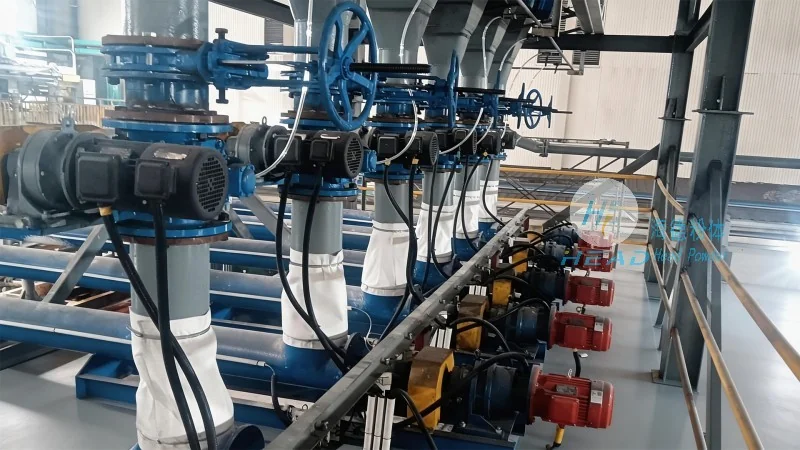
The operation of a negative pressure vacuum material conveying line is fundamentally based on the principle of creating a pressure differential between the material source and the receiving container. By generating a lower pressure (vacuum) in the conveying line, the system draws material from the source into the pipeline under the influence of atmospheric pressure. This process involves several key components and mechanisms that work in tandem to ensure effective material transport.
At the heart of the system is a vacuum pump, which is responsible for creating the necessary vacuum. The pump draws air from the conveying line, reducing the pressure inside the pipeline. As the pressure inside the line drops below atmospheric pressure, the material, often in the form of powders or granules, is drawn into the pipeline due to the pressure difference. The material is then transported through the pipeline to the receiving vessel, where the pressure is restored to atmospheric levels, allowing the material to discharge.
Key components of a negative pressure vacuum conveying system include the vacuum pump, material feed hopper, conveying pipeline, and receiving container. The feed hopper is equipped with a feeder, such as a rotary valve or a star feeder, which controls the flow of material into the pipeline. The pipeline is typically made of materials like stainless steel or PVC, ensuring durability and resistance to corrosion. The receiving container is designed to collect the material as it is discharged from the pipeline, often with a discharge valve to regulate the flow.
One of the primary advantages of negative pressure vacuum conveying is its ability to handle fine powders and granules without the need for mechanical agitation or high pressure. This reduces the risk of material degradation, caking, or contamination, making it suitable for sensitive materials like pharmaceuticals, food products, and chemicals. Additionally, the system operates quietly and efficiently, with lower energy consumption compared to positive pressure systems, which can be beneficial for noise-sensitive environments and energy-conscious operations.
Working Scene Characteristics and Applications
Negative pressure vacuum material conveying lines are versatile and can be applied in various industrial settings, each with distinct characteristics that highlight their suitability. The working scene characteristics include the ability to handle long conveying distances, vertical and horizontal transport, and the transport of materials with varying properties.
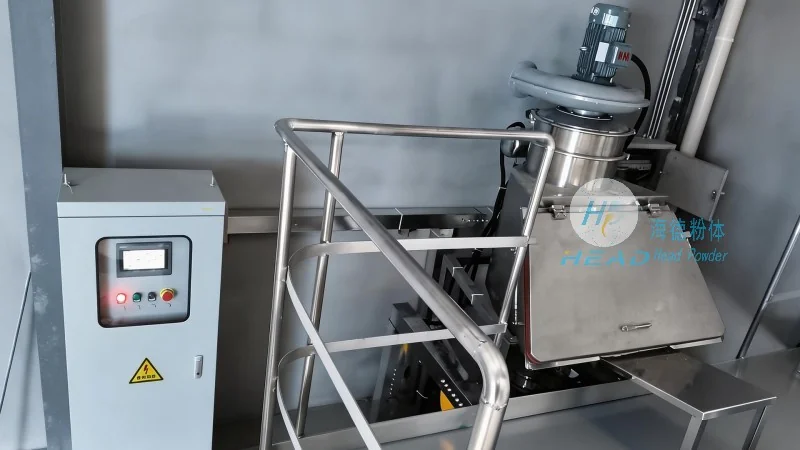
For applications requiring long-distance transport, negative pressure vacuum systems can effectively convey materials over distances of several hundred meters, making them suitable for large-scale industrial facilities where material sources and receiving points are far apart. The system's ability to maintain a consistent vacuum and pressure differential ensures that material is transported efficiently without significant loss or degradation.
Vertical conveying is another common application, where materials are lifted from a lower level to a higher level without the need for external lifting equipment. This is particularly useful in facilities where space is limited or where vertical transport is necessary to integrate with existing processes. The system's gentle handling of materials minimizes the risk of particle breakage or agglomeration, preserving the quality of the material.
Horizontal conveying is also widely used, especially in applications where materials need to be transported from one side of a facility to another. The system can handle horizontal distances ranging from short to long, depending on the specific design and components used. The horizontal transport capability is essential for integrating material handling with other processes, such as mixing, processing, or packaging.
Furthermore, negative pressure vacuum conveying is suitable for materials with varying moisture content, particle sizes, and flow characteristics. The system's flexibility allows it to handle materials that are difficult to convey using other methods, such as cohesive powders or those prone to bridging. This makes it an ideal solution for industries like pharmaceuticals, food processing, chemical manufacturing, and mining, where material quality and handling are critical.
Advantages and Considerations in Practical Applications
When considering the implementation of a negative pressure vacuum material conveying line, several advantages and considerations come into play. The primary advantages include gentle material handling, low energy consumption, and the ability to handle a wide range of materials. These benefits make the system cost-effective and environmentally friendly in the long run.
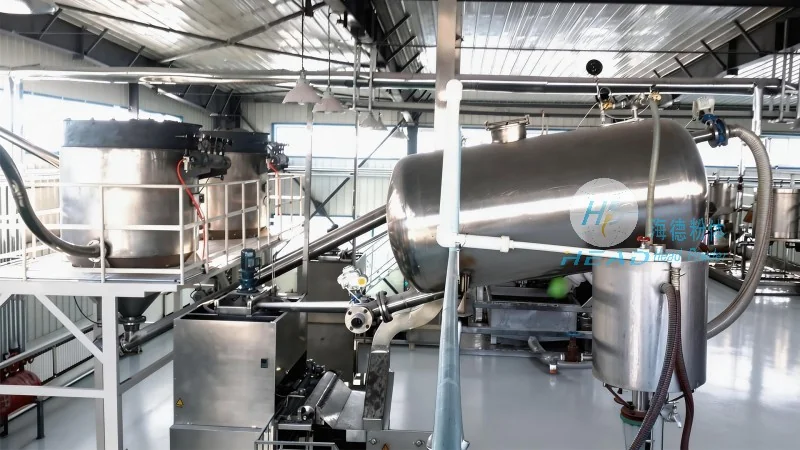
Gentle material handling is a significant advantage, as it reduces the risk of material degradation, caking, or contamination. This is particularly important for sensitive materials, where even minor changes in particle size or moisture content can affect product quality. The system's low pressure and absence of mechanical agitation ensure that materials are transported without excessive stress, maintaining their original properties.
Low energy consumption is another key advantage, as vacuum pumps are generally more energy-efficient than positive pressure systems. This can lead to significant cost savings over the operational life of the system, especially in facilities with high energy demands. Additionally, the quiet operation of the system makes it suitable for environments where noise control is a priority, such as in food processing or pharmaceutical facilities.
However, there are also considerations to keep in mind when implementing a negative pressure vacuum conveying system. One of the main challenges is the potential for material blockages or clogging in the pipeline, especially with cohesive or sticky materials. Proper design and maintenance of the system, including regular cleaning and inspection of the pipeline and feed hopper, are essential to prevent blockages and ensure smooth operation.
Another consideration is the system's capacity, which depends on the vacuum pump's power and the material's properties. For high-volume applications, a more powerful vacuum pump or multiple pumps may be required to maintain the necessary pressure differential and ensure efficient material transport. Additionally, the system's design must be tailored to the specific material being conveyed, as different materials may have different flow characteristics and require adjustments to the feeder or pipeline design.
Conclusion
HeadPowder's negative pressure vacuum material conveying lines offer a reliable and efficient solution for the transport of bulk materials in various industrial applications. By understanding the core principles of negative pressure vacuum conveying and the working scene characteristics, industries can leverage these systems to improve material handling processes, reduce costs, and maintain product quality. With its gentle handling, low energy consumption, and versatility, the negative pressure vacuum conveying system is a valuable asset for modern industrial operations, particularly in industries where material quality and handling are critical.