

Principle and Working Scene Characteristics of Metal Powder Material Conveying Lines
For industrial applications involving metal powders, efficient and reliable material handling is crucial. Metal powder material conveying lines are specialized systems designed to transport these fine particles from one location to another within a production environment. These systems are integral to processes such as metal powder processing, additive manufacturing, and various powder metallurgy applications. The design and operation of these conveying lines are tailored to meet the unique challenges posed by metal powders, including their tendency to clog, agglomerate, or create dust hazards. Understanding the underlying principles and the diverse working scenarios where these systems are applied is essential for optimizing industrial operations.
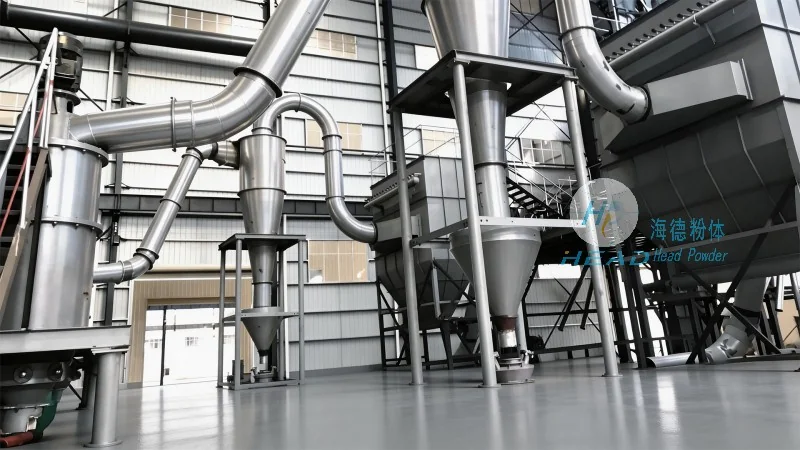
About Shandong HeadPowder Engineering Co., Ltd.
HeadPowder, the professional manufacturer behind these advanced conveying solutions, is a leading company based in Shandong, China. With a strong commitment to engineering excellence and customer satisfaction, HeadPowder specializes in the design, manufacturing, and integration of high-performance material handling systems. The company's expertise lies in addressing the specific needs of industries that rely on metal powders, ensuring that their conveying lines are not only efficient but also safe and durable. By leveraging years of experience in the field, HeadPowder delivers solutions that enhance productivity and reduce operational risks for clients worldwide.
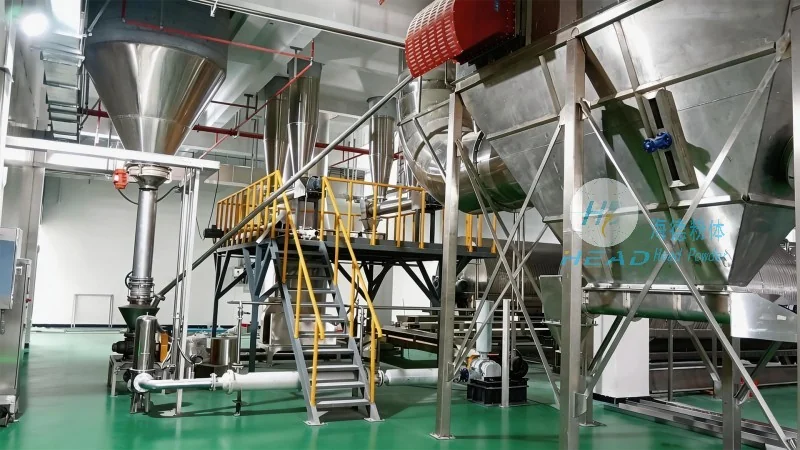
The Principle of Metal Powder Material Conveying Lines
The core principle of metal powder material conveying lines revolves around the use of mechanical or pneumatic systems to transport fine metal powders. These systems are engineered to handle the unique properties of metal powders, such as their fine particle size, which can lead to issues like clogging or dust generation. The primary components of a typical metal powder conveying line include a feeding hopper, a conveying mechanism (such as a screw conveyor, pneumatic duct, or air slide), and a discharge outlet. The feeding hopper ensures a consistent flow of material into the system, while the conveying mechanism moves the powder through the pipeline. Pneumatic conveying systems, in particular, are widely used due to their ability to handle fine powders without the need for mechanical parts that might cause blockages. The principle also emphasizes the importance of maintaining a controlled environment to prevent dust dispersion and ensure product quality. By integrating advanced control systems, these lines can be automated to adjust flow rates and pressure, optimizing the conveying process based on real-time conditions.
Working Scene Characteristics of Metal Powder Material Conveying Lines
Metal powder material conveying lines are employed in a wide range of industrial working scenarios, each with distinct requirements. In metal powder processing facilities, these systems are critical for transporting raw metal powders to mixing and compaction equipment. The working scene often involves high-volume production, where the conveying line must maintain a steady flow to meet manufacturing demands. Additive manufacturing (3D printing) applications also rely heavily on these systems, as they transport metal powders to the printing nozzle, ensuring consistent material delivery for high-quality prints. In powder metallurgy, conveying lines are used to move powders between pressing, sintering, and finishing stages, where precision and uniformity are paramount. The working scene characteristics also include considerations for dust control and environmental safety, as metal powders can be hazardous if not handled properly. Additionally, the design of the conveying line must accommodate the specific properties of different metal powders, such as aluminum, steel, or copper, each with varying flow characteristics and potential for agglomeration. By adapting to these diverse working scenarios, metal powder conveying lines provide reliable performance across various industrial applications.
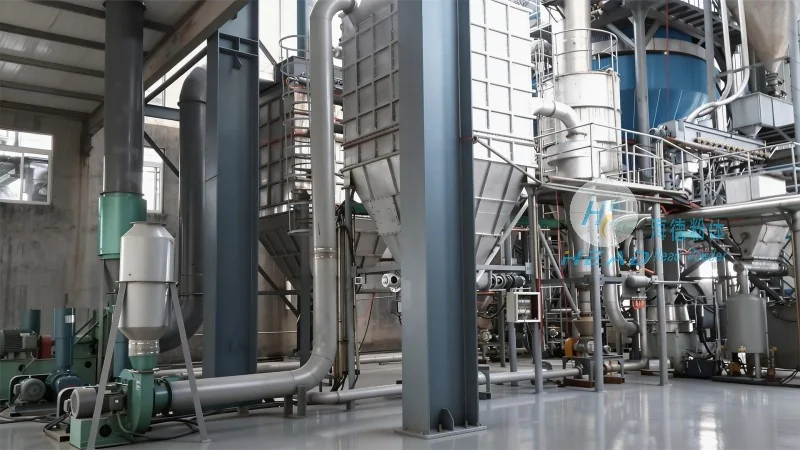
Key Features and Advantages of Metal Powder Conveying Systems
HeadPowder's metal powder material conveying lines are equipped with several key features that enhance their performance and reliability. One of the primary advantages is the use of advanced materials for the conveying components, such as stainless steel or special alloys, which resist corrosion and wear from metal powders. The systems are also designed with dust-tight enclosures to minimize environmental contamination and ensure compliance with safety regulations. Automation is another critical feature, as it allows for real-time monitoring and adjustment of flow rates, pressure, and temperature. This automation helps maintain consistent material quality and reduces downtime caused by system failures. The conveying lines are also modular, enabling easy integration into existing production lines and allowing for future expansion as production needs evolve. Furthermore, the systems are engineered for low maintenance, with easy access to components for inspection and replacement. This reduces operational costs and ensures continuous operation in demanding industrial environments.