

Principle and Working Scene Characteristics of Pneumatic Conveying for Aluminum Dross Powders
Pneumatic conveying of aluminum dross powders is a critical process in industrial operations, especially for managing the byproducts of aluminum production. This method efficiently transports fine aluminum dross particles, ensuring safe and effective material handling. Understanding the principles and characteristics of this technology is essential for optimizing industrial workflows and enhancing operational efficiency.
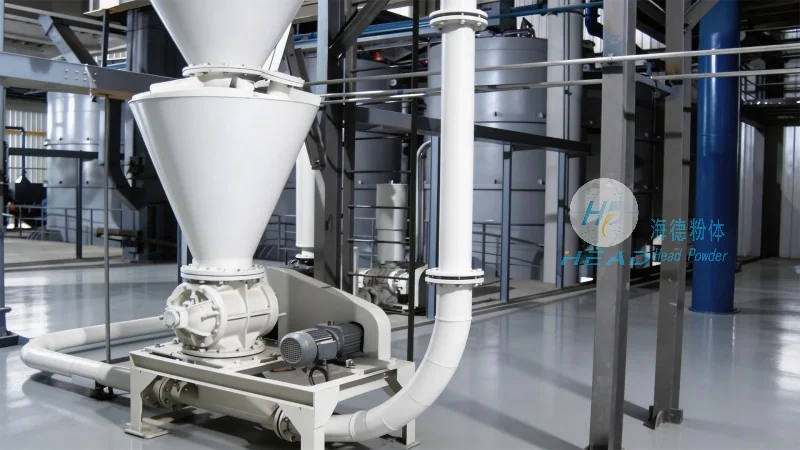
Principle of Pneumatic Conveying for Aluminum Dross Powders
The core principle of pneumatic conveying for aluminum dross powders involves using air or gas to transport solid particles through a pipeline. This process typically relies on a combination of pressure or vacuum systems to move the material from a source to a destination. The system comprises several key components, including a feeding device, a conveying line, a separation unit, and a collection tank. The feeding device, such as a rotary valve or a screw feeder, introduces the aluminum dross powder into the conveying line. The conveying line, often made of stainless steel or other corrosion-resistant materials, ensures the material is transported without degradation. The separation unit, like a cyclone or a filter, separates the conveyed particles from the air stream, allowing for the collection of the aluminum dross powder. This process is efficient for handling fine powders, as it minimizes material loss and reduces the risk of dust explosions compared to traditional methods.
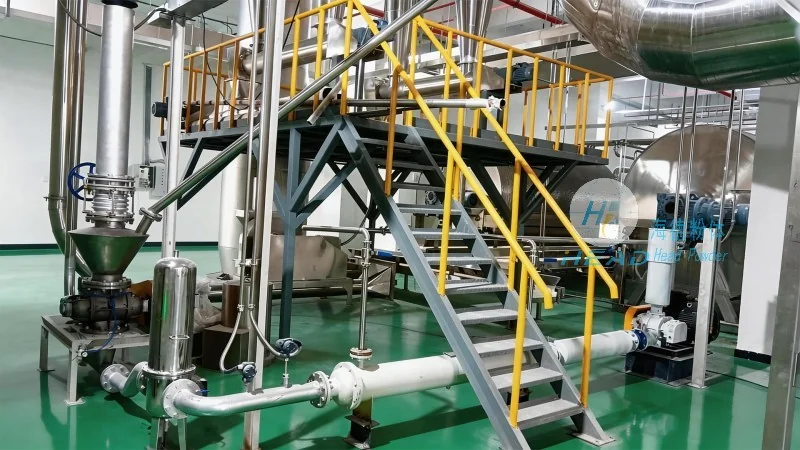
Working Scene Characteristics of Pneumatic Conveying for Aluminum Dross Powders
The working scene characteristics of pneumatic conveying for aluminum dross powders vary based on the specific industrial application. For example, in aluminum smelting plants, this technology is used to transport dross from the furnace to a processing unit, where it can be recycled or disposed of properly. In recycling facilities, pneumatic conveying helps move dross from collection points to processing equipment, facilitating the recovery of valuable aluminum content. The flexibility of the system allows it to adapt to different plant layouts and operational requirements. Additionally, the system can be designed for both low and high-pressure applications, making it suitable for various production scales. The working environment, including temperature and humidity, also influences the choice of materials and system design. For instance, in high-temperature environments, corrosion-resistant materials are essential to prevent equipment degradation. The system's ability to handle fine powders without clogging is a key advantage, ensuring consistent performance in demanding industrial settings.
About HeadPowder Engineering
HeadPowder, a leading provider of engineering solutions, specializes in pneumatic conveying systems tailored for aluminum dross management. With a focus on innovation and quality, the company has developed advanced technologies to optimize material handling in aluminum production facilities. The company's headquarters is located in Shandong, China, where it leverages local expertise and resources to deliver reliable solutions. HeadPowder's team of engineers and technicians works closely with clients to understand their specific needs and design customized systems that meet industry standards. The company's commitment to sustainability and efficiency is reflected in its products, which reduce environmental impact while improving operational performance. By partnering with HeadPowder, industrial facilities can enhance their material handling processes and achieve better overall efficiency.
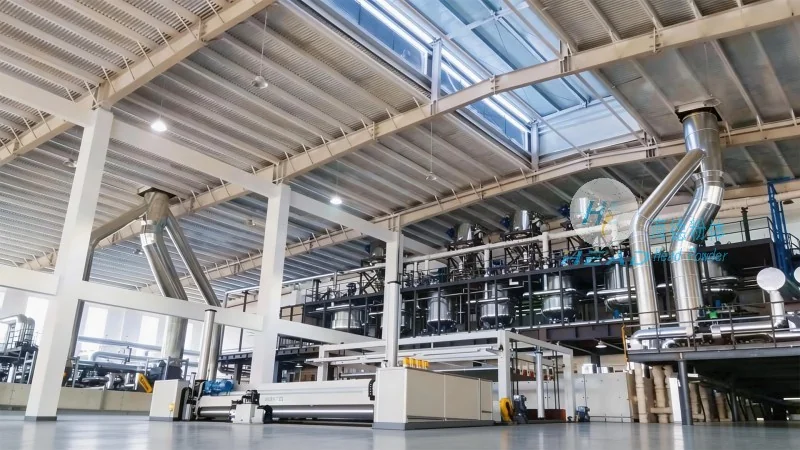
Advantages of Pneumatic Conveying for Aluminum Dross Powders
In summary, pneumatic conveying for aluminum dross powders offers significant advantages in terms of efficiency, safety, and flexibility. The technology effectively handles fine particles, reduces material loss, and minimizes the risk of dust-related hazards. The working scene characteristics, tailored to various industrial applications, ensure that the system can adapt to different operational requirements. HeadPowder's expertise in designing and implementing these systems provides industrial clients with reliable solutions that enhance their production processes. By understanding the principles and characteristics of this technology, facilities can optimize their material handling and achieve better overall performance.