

Principles and Application Scenarios of Sugar Powder Pneumatic Conveying
For industrial operations involving bulk powder handling, particularly in the food processing sector, the efficient and reliable transport of materials like sugar is crucial. Pneumatic conveying systems offer a sophisticated solution that addresses the unique challenges associated with handling granular and fine powders. This article explores the fundamental principles of sugar powder pneumatic conveying and highlights key application scenarios where such systems excel.
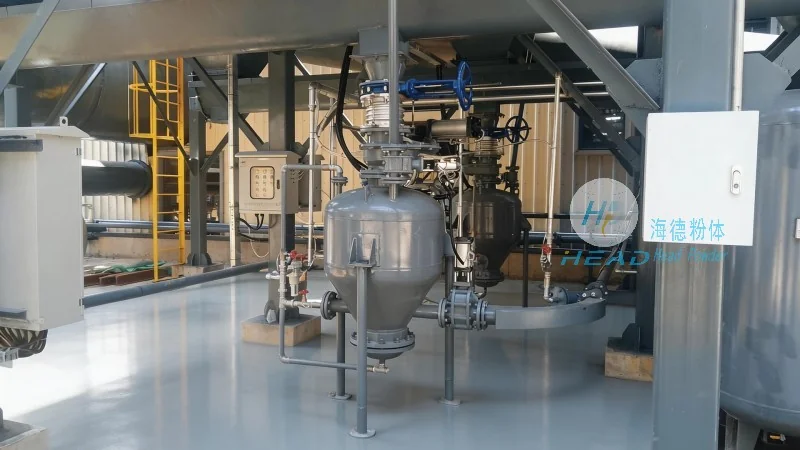
Understanding Pneumatic Conveying Principles
Pneumatic conveying relies on the movement of air or gas to transport solid particles through a pipeline. The core mechanism involves creating a pressure differential or using vacuum to draw or push the material along the system. In the context of sugar powder, which is typically fine and abrasive, specialized equipment is required to ensure minimal product degradation and system longevity. The process generally involves a few key components: a feed hopper to introduce the powder, a conveyor line (either positive pressure or negative pressure), and a discharge point for the material. The choice between positive and negative pressure systems depends on factors such as the distance, material characteristics, and operational requirements.
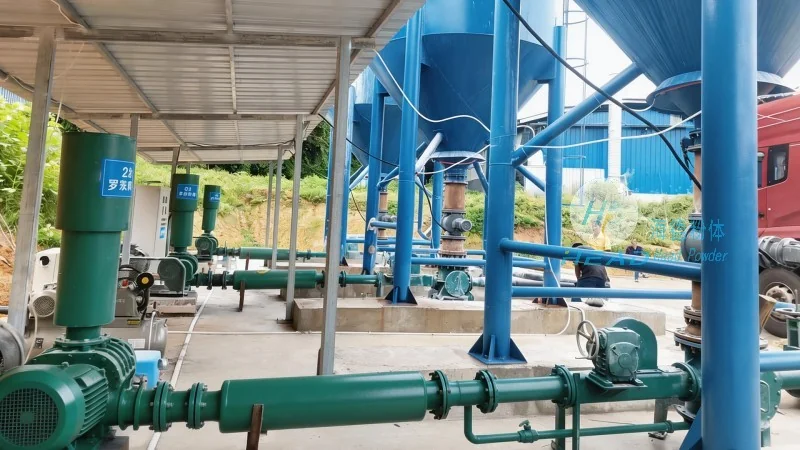
Key Features of Sugar Powder Pneumatic Conveying
When applied to sugar, pneumatic conveying systems exhibit several advantages that make them ideal for industrial use. These include the ability to handle fine powders without the need for mechanical components that might cause clogging or wear. The system also provides a hygienic and enclosed environment, which is critical in food processing applications where contamination control is paramount. Additionally, pneumatic conveyors can be designed to operate at low or high pressure, allowing for flexibility in transporting sugar over varying distances and elevations. The technology ensures consistent flow rates and minimal product loss, contributing to overall operational efficiency.
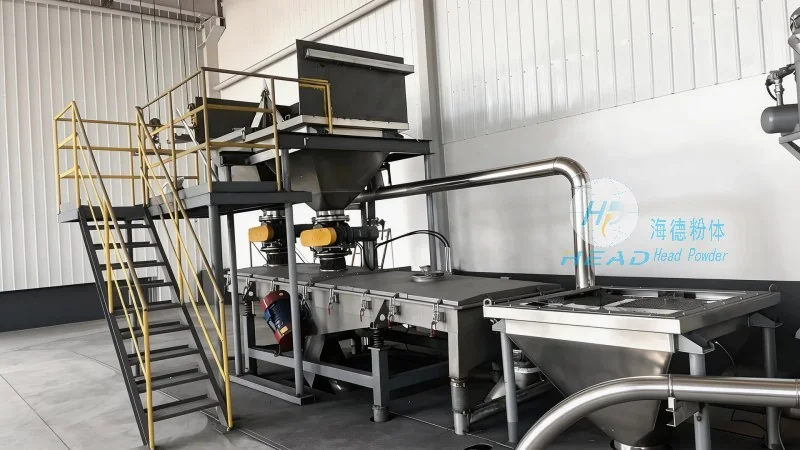
Common Application Scenarios
Sugar powder pneumatic conveying is widely utilized across various stages of the sugar processing and distribution chain. One primary application is in the transfer of raw sugar from storage silos to processing equipment, such as crushers or mills. This ensures a continuous and controlled feed of material, reducing downtime and improving production throughput. Another common scenario involves conveying refined sugar from processing units to packaging lines, where precise control over the flow is essential to maintain product quality and prevent contamination. In large-scale sugar refineries, the system may also be employed for inter-unit material transfer, such as moving sugar from a drying stage to a storage silo. The flexibility of pneumatic conveying allows it to adapt to different operational needs, whether it's short-distance transport within a facility or longer-distance transfers between processing plants.
Operational Considerations and System Design
Implementing a pneumatic conveying system for sugar powder requires careful consideration of several factors to ensure optimal performance. Material characteristics, such as particle size, moisture content, and flowability, directly impact system design. For instance, fine sugar powders may require higher air velocities to prevent blockages, while larger granules might necessitate different nozzle and pipe configurations. The system's layout, including the number of bends, pipe diameter, and the use of pulse jets or rotary valves, all contribute to the overall efficiency and reliability of the operation. Regular maintenance, including cleaning and inspection of components, is essential to prevent clogging and maintain the system's performance over time. Companies specializing in industrial conveying solutions, such as Shandong HeadPowder Engineering Co., Ltd., provide tailored designs that address these specific considerations, ensuring that the system meets the unique needs of each application.
Conclusion
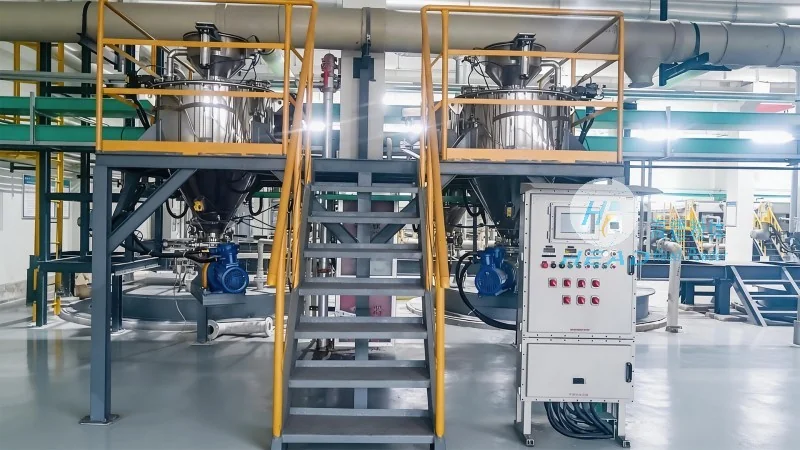
Pneumatic conveying represents a highly effective method for handling sugar powder in industrial settings. By leveraging the principles of air movement, these systems offer advantages in terms of efficiency, hygiene, and flexibility. The application scenarios discussed highlight the versatility of pneumatic conveying across different stages of sugar processing, from raw material handling to final product distribution. As a leading provider in the field, Shandong HeadPowder Engineering Co., Ltd. specializes in designing and implementing such systems, ensuring that industrial operations can achieve optimal performance and reliability in their powder handling processes.