

Common Methods of Flour Conveying
When it comes to the efficient handling and transportation of flour in industrial settings, understanding the various methods available is crucial for optimizing production processes and ensuring product quality. As a leading provider in the field, Shandong HeadPowder Engineering Co., Ltd. specializes in designing and implementing effective flour conveying solutions tailored to diverse industrial needs. This article explores the common methods used for flour conveying, highlighting their applications and benefits.
1. Screw Conveyors for Flour Transport
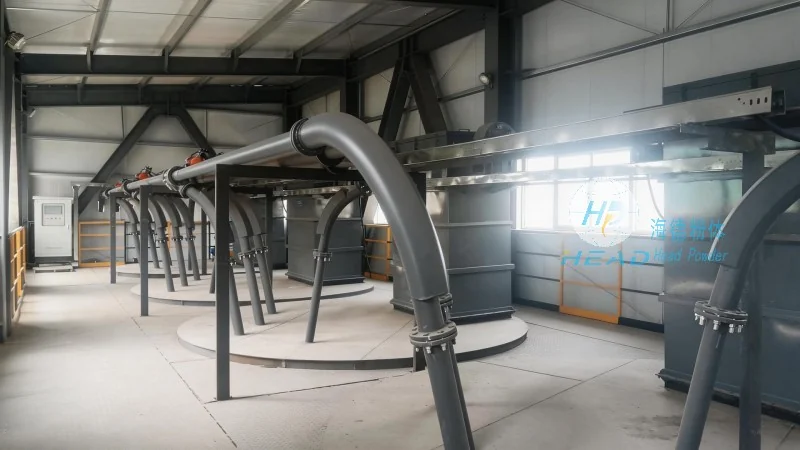
Screw conveyors, also known as auger conveyors, are among the most widely used equipment for flour conveying. These systems utilize a rotating helical screw to move flour and other powders through a tube or trough. The design of screw conveyors allows for vertical or horizontal transport, making them versatile for different production layouts. Shandong HeadPowder Engineering Co., Ltd. offers customized screw conveyor solutions that can handle varying capacities and flour types, ensuring reliable and efficient material movement. The screw conveyor's enclosed design helps minimize dust and contamination, which is critical in flour processing applications.
2. Pneumatic Conveying Systems
Pneumatic conveying systems use air pressure to transport flour in a closed pipeline. This method is particularly effective for handling fine powders like flour, as it can move materials over longer distances without the need for multiple transfer points. There are two main types of pneumatic conveying: pressure and vacuum systems. Pressure systems push the material through the pipeline using compressed air, while vacuum systems draw the material in using a vacuum. Shandong HeadPowder Engineering Co., Ltd. designs pneumatic conveying systems that can handle high volumes of flour with minimal maintenance, ensuring consistent performance in industrial environments. The flexibility of pneumatic conveying makes it suitable for both new installations and retrofitting existing facilities.
3. Bucket Elevators for Vertical Flour Transport
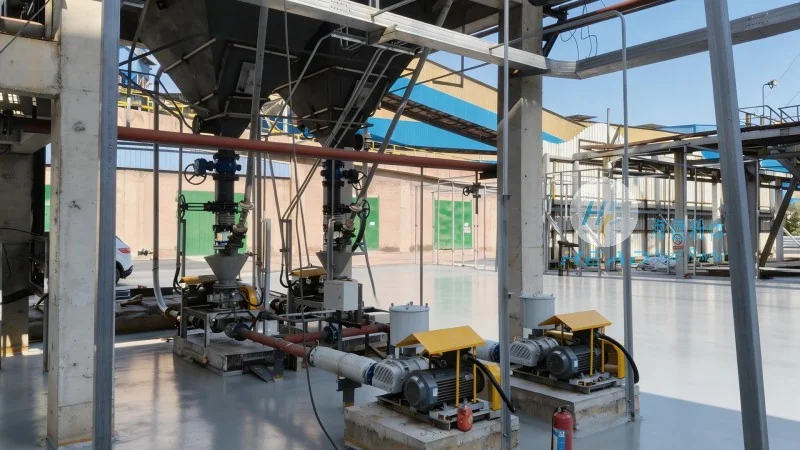
For vertical flour transport, bucket elevators are a common choice due to their ability to lift large quantities of material efficiently. These systems consist of a continuous belt or chain with buckets attached, which travel in a vertical or inclined path. As the buckets move, they scoop up flour from a hopper and discharge it at the top. Shandong HeadPowder Engineering Co., Ltd. manufactures bucket elevators that are designed for high capacity and low maintenance, making them ideal for continuous flour processing operations. The enclosed design of bucket elevators helps prevent dust dispersion, which is essential for maintaining a clean and safe working environment.
4. Belt Conveyors for Horizontal Flour Movement
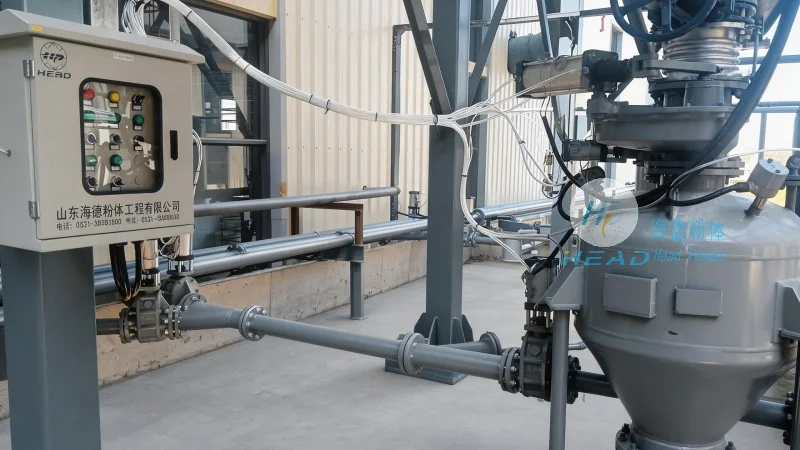
Belt conveyors are widely used for horizontal flour movement in various industrial applications. These systems consist of a continuous belt that moves over rollers or pulleys, transporting flour from one point to another. Belt conveyors are particularly effective for handling bulk quantities of flour and can be integrated with other processing equipment for seamless material flow. Shandong HeadPowder Engineering Co., Ltd. provides belt conveyor solutions that can be customized to meet specific production requirements, including different belt widths, speeds, and load capacities. The durability and reliability of belt conveyors make them a preferred choice for long-term flour handling operations.
5. Combination Systems for Advanced Flour Conveying
In many industrial settings, a single conveying method may not be sufficient to meet all operational needs. Therefore, combination systems that integrate multiple conveying technologies are often employed. For example, a system might use a screw conveyor for initial transport and then switch to a pneumatic conveyor for longer distances. Shandong HeadPowder Engineering Co., Ltd. specializes in designing and installing combination flour conveying systems that optimize material flow and reduce downtime. These systems can be tailored to handle varying flour types, moisture content, and production volumes, ensuring efficient and cost-effective operation. The integration of different conveying methods allows for greater flexibility and adaptability in complex production environments.