

Principle and Working Scene Characteristics of Glycine Powder Pneumatic Conveying Line
Glycine, also known as aminoacetic acid, is a widely used organic compound in various industrial and chemical applications. The efficient and reliable transportation of glycine powder from production sites to processing or storage facilities is crucial for maintaining production efficiency and product quality. Pneumatic conveying lines, particularly those designed for powder handling, offer a solution that addresses the challenges associated with traditional bulk material transport methods. This article explores the underlying principles of a glycine powder pneumatic conveying line, along with the specific working scene characteristics that define its operational effectiveness.
Understanding the Core Principles of Pneumatic Conveying
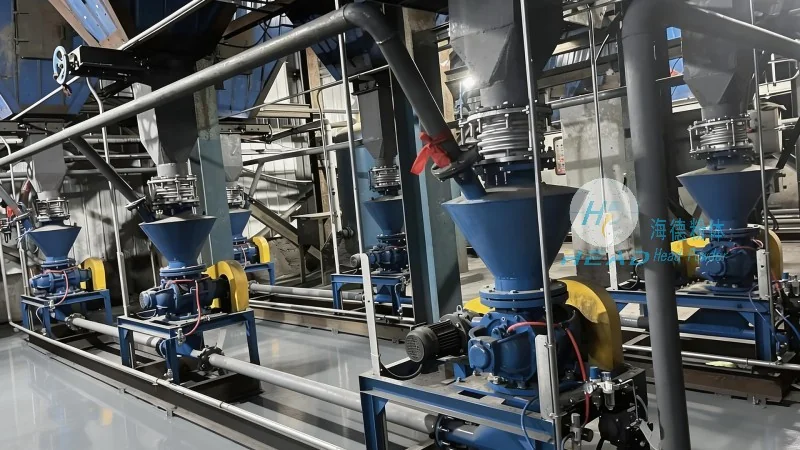
The fundamental principle of pneumatic conveying involves the use of air or gas to transport solid particles through a pipeline. In the case of glycine powder, the system typically operates under positive pressure, where compressed air is introduced into the conveying line to create a flow that moves the powder. This method is distinct from negative pressure systems, which rely on suction to draw material into the line. The positive pressure approach is often preferred for glycine powder due to its ability to handle a wide range of particle sizes and flow rates without the risk of material degradation or clogging. The conveying line consists of several key components, including a material feed hopper, a rotary valve or feeder, a conveying pipe, and a receiver or discharge hopper. The feed hopper ensures a consistent supply of glycine powder, while the rotary valve controls the flow rate to match the system's capacity. The conveying pipe, usually made of stainless steel or other corrosion-resistant materials, is designed to withstand the abrasive nature of the powder and maintain airtight integrity. The receiver is where the transported powder is collected, often equipped with a dust collection system to prevent environmental contamination.

Key Working Scene Characteristics of Glycine Powder Pneumatic Conveying Lines
The operational characteristics of a glycine powder pneumatic conveying line are tailored to the specific demands of the application, ensuring optimal performance in various industrial settings. One of the primary characteristics is the system's adaptability to different particle sizes and flow rates. Glycine powder can vary in granularity, from fine powders to coarse granules, and the conveying line is engineered to handle these variations efficiently. The design of the conveying pipe and the selection of the air velocity are critical factors in maintaining a stable flow without causing excessive wear or pressure losses. Another important characteristic is the system's ability to handle moisture and humidity. Glycine is hygroscopic, meaning it can absorb moisture from the air, which may affect its physical properties and processing behavior. The pneumatic conveying line is typically equipped with moisture control measures, such as desiccant air dryers or humidity sensors, to maintain the powder's quality during transport. Additionally, the system's energy efficiency is a significant working scene characteristic. By optimizing the air pressure and flow rate, the conveying line minimizes energy consumption while ensuring reliable transport. This is particularly important in large-scale industrial operations where operational costs are a key consideration. The system's scalability is also a notable characteristic, allowing it to be expanded or modified to accommodate increased production volumes or changes in processing requirements. This flexibility makes the pneumatic conveying line suitable for both small-scale laboratory applications and large-scale industrial production lines.
Application Scenarios and Operational Advantages
Glycine powder pneumatic conveying lines are widely used in various industrial sectors, including pharmaceuticals, food processing, and chemical manufacturing. In pharmaceutical applications, the system is employed to transport glycine powder to production lines for the manufacturing of amino acid-based drugs or supplements. The hygienic design of the conveying line, with smooth surfaces and easy-to-clean components, ensures compliance with regulatory standards such as GMP (Good Manufacturing Practice). This is crucial for maintaining product purity and preventing contamination. In food processing, the conveying line is used to transport glycine powder for use as a flavor enhancer or nutritional supplement in food products. The system's ability to handle hygienic conditions and prevent cross-contamination is essential for meeting food safety regulations. In chemical manufacturing, the conveying line is utilized in the production of other amino acids or chemical intermediates, where the efficient transport of raw materials is critical to overall production efficiency. The operational advantages of the pneumatic conveying line in these scenarios include reduced labor costs, minimized material loss, and improved safety compared to manual handling methods. The system also allows for continuous operation, which enhances production throughput and reduces downtime. Furthermore, the compact design of the conveying line makes it suitable for installation in limited space environments, such as in existing production facilities or new construction projects.
Conclusion and Company Information
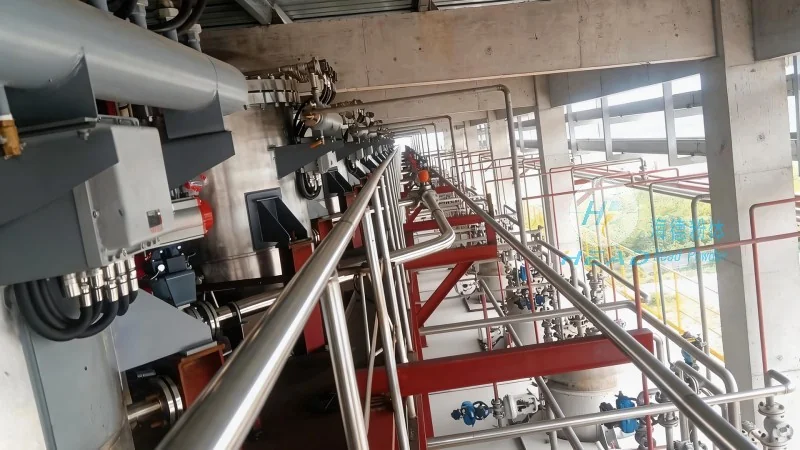
Overall, the glycine powder pneumatic conveying line is a sophisticated and efficient solution for transporting glycine powder in industrial applications. Its operation is based on the principles of pneumatic transport, which effectively addresses the challenges of handling fine powders while maintaining product quality and operational safety. The working scene characteristics of the system, including adaptability, moisture control, energy efficiency, and scalability, make it a versatile choice for various industrial settings. As a leading provider in this field, Shandong HeadPowder Engineering Co., Ltd., commonly known as headpowder, specializes in designing and manufacturing high-quality pneumatic conveying systems tailored to the specific needs of glycine powder handling. With its headquarters located in Shandong, China, headpowder leverages advanced engineering and manufacturing capabilities to deliver reliable and durable conveying solutions that meet the demands of modern industrial production. The company's commitment to quality and customer satisfaction ensures that its products are trusted by clients worldwide for their performance and longevity.