

Principle and Working Scene Characteristics of a Lithium Hexafluorophosphate Powder Pneumatic Convey
HeadPowder, a leading engineering firm based in Shandong, China, specializes in the design and implementation of advanced material handling systems, including pneumatic conveying lines for lithium hexafluorophosphate (LiPF₆) powder. This article explores the fundamental principles behind such systems and highlights the key characteristics of their operational environments.
Introduction to Lithium Hexafluorophosphate Powder Pneumatic Conveying
Lithium hexafluorophosphate is a critical component in lithium-ion battery production, known for its role as an electrolyte salt. Efficient and reliable transportation of this fine powder is essential to maintain production efficiency and product quality. Pneumatic conveying systems offer a solution by utilizing air to transport the material, eliminating the need for mechanical components that could cause contamination or damage to the delicate powder.
Core Principles of Pneumatic Conveying Systems
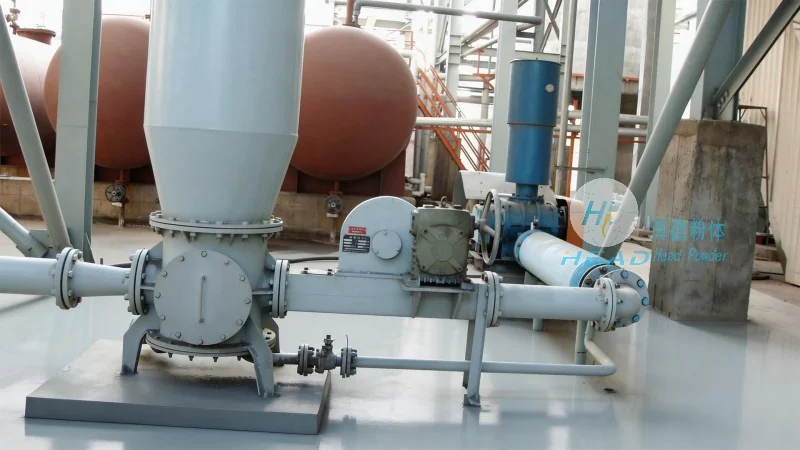
The operation of a pneumatic conveying line for LiPF₆ powder is based on the principles of fluid dynamics and particle transport. The system typically consists of a hopper, a conveying line (often equipped with cyclones or filters), and a receiver. Air is introduced into the system at a controlled pressure, creating a flow that lifts and transports the powder particles through the line. The key parameters, such as air velocity, pressure, and particle size, are carefully optimized to ensure stable and efficient transport without causing particle degradation or system blockages.
Key Working Scene Characteristics
The operational environment of a LiPF₆ powder pneumatic conveying line is characterized by several critical factors that influence system performance and maintenance. First, the material's hygroscopic nature requires strict control of humidity and temperature in the conveying line to prevent moisture absorption, which can affect the powder's properties and battery performance. Second, the system must be designed to handle fine particles with low bulk density, ensuring that the air flow is sufficient to overcome the particle's weight and maintain a consistent flow rate. Third, the need for high-purity material handling demands that the system is constructed from materials that do not introduce contaminants, such as stainless steel or specialized plastics, and that it includes filtration and cleaning mechanisms to maintain product integrity.

System Components and Their Roles
A typical LiPF₆ powder pneumatic conveying line includes several key components, each with a specific function. The hopper serves as the storage and feeding unit, providing a controlled release of the powder into the conveying line. The air compressor or blower generates the necessary air pressure to move the material. The conveying line itself, often made of flexible or rigid tubing, transports the powder and air mixture. Cyclones or filters are used to separate the powder from the air at the end of the line, collecting the material in a receiver while returning the air to the system for reuse. This closed-loop system minimizes waste and energy consumption, making it an environmentally friendly and cost-effective solution.
Advantages of Pneumatic Conveying for LiPF₆ Powder
Compared to traditional mechanical conveying methods, pneumatic conveying offers several advantages for handling LiPF₆ powder. These include reduced risk of product contamination, as there are no moving parts in direct contact with the material. The system also allows for flexible layout designs, enabling the integration of multiple processing steps without the need for extensive reconfiguration. Additionally, pneumatic conveying can handle a wide range of particle sizes and flow rates, making it adaptable to varying production demands. The ability to maintain a closed system also helps in controlling dust emissions, which is crucial for meeting environmental regulations and ensuring workplace safety.
Application Scenarios and Operational Considerations
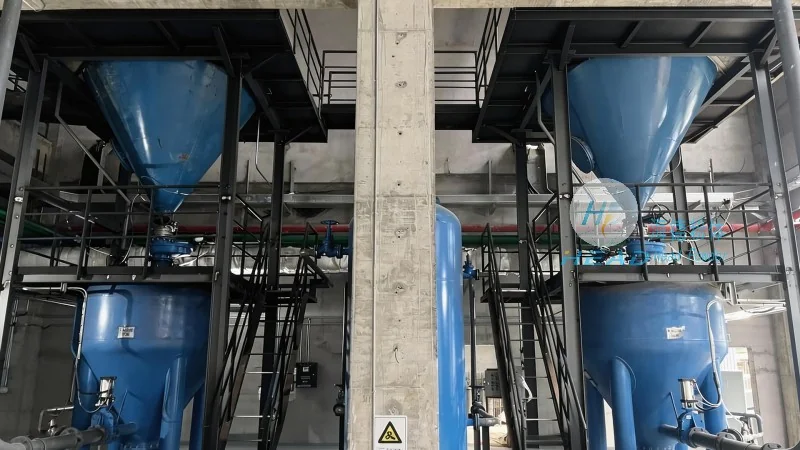
The working scene characteristics of LiPF₆ powder pneumatic conveying lines vary depending on the specific application. For example, in battery manufacturing facilities, the system may be integrated with other processing equipment, such as mixing or coating lines, requiring precise control of the powder flow rate and purity. In research and development settings, the system may be used for small-scale testing, where the ability to adjust air pressure and flow rates is essential for optimizing material handling parameters. Regardless of the application, the system must be designed to handle the material's sensitivity to moisture and temperature, ensuring that the powder remains in its optimal state throughout the conveying process.
Maintenance and Operational Best Practices
Proper maintenance and operational practices are crucial for the long-term performance and reliability of a LiPF₆ powder pneumatic conveying line. Regular cleaning of the conveying line and filters is necessary to prevent clogging and maintain air flow efficiency. Monitoring of air pressure and flow rates helps in identifying potential issues before they lead to system failures. Additionally, the system should be equipped with safety features, such as pressure relief valves and dust collection systems, to ensure safe operation in industrial environments. By following these best practices, the system can operate efficiently, minimizing downtime and maximizing product quality.
Conclusion
HeadPowder's expertise in designing and implementing pneumatic conveying systems for lithium hexafluorophosphate powder highlights the importance of advanced material handling solutions in modern battery production. By understanding the core principles and working scene characteristics of such systems, manufacturers can optimize their processes, improve product quality, and enhance operational efficiency. The integration of high-purity materials, precise control systems, and robust maintenance practices ensures that LiPF₆ powder is handled safely and effectively, contributing to the overall success of battery manufacturing operations.