

Principles and Application Scenarios of Pneumatic Conveying for Fertilizer Granular Materials
HeadPowder, a leading engineering company based in Shandong, China, specializes in the design and implementation of advanced pneumatic conveying systems tailored for the fertilizer industry. The efficient handling of granular fertilizer materials is crucial for optimizing production processes and ensuring product quality, and pneumatic conveying technology offers a reliable solution to meet these demands.
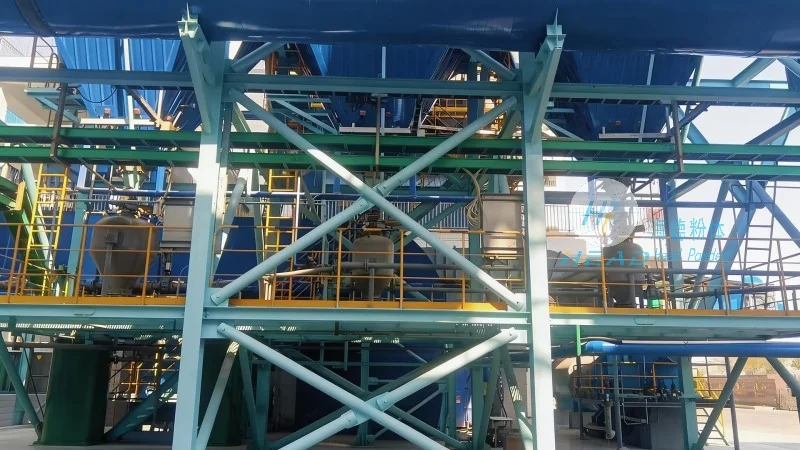
Understanding the Principles of Pneumatic Conveying for Fertilizer Granular Materials
Pneumatic conveying is a method of transporting bulk materials, such as fertilizer granules, through a pipeline using a gas stream, typically air or other gases. This technology is widely adopted in the fertilizer sector due to its ability to handle various particle sizes, shapes, and moisture contents while minimizing product degradation. The core principle involves creating a pressure differential between the inlet and outlet of the conveying system, which propels the material along the pipeline. There are two primary types of pneumatic conveying systems: positive pressure and negative pressure (or vacuum) systems. Positive pressure systems operate by blowing air into the pipeline, pushing the material forward, while negative pressure systems draw material into the pipeline using a vacuum at the discharge end.
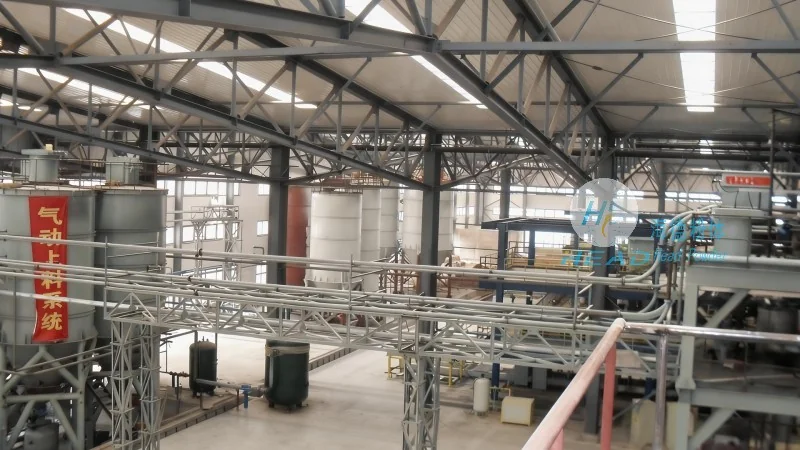
Key Working Scenarios and Characteristics of Pneumatic Conveying in Fertilizer Handling
The application of pneumatic conveying in fertilizer processing involves several distinct scenarios, each with unique operational characteristics. One common scenario is the transfer of raw fertilizer granules from storage silos to processing units, where the system must handle large volumes of material with minimal dust generation. Another scenario involves the transport of finished fertilizer products from production lines to packaging or storage areas, requiring precise control over flow rates and particle distribution. The characteristics of fertilizer granular materials, such as their density, size distribution, and abrasiveness, significantly influence the design of the pneumatic conveying system. For instance, highly abrasive granules may necessitate the use of corrosion-resistant materials for the pipeline and components to extend the system's lifespan. Additionally, the moisture content of the fertilizer can affect the air flow requirements, as higher moisture levels may require more air to maintain proper conveying conditions.
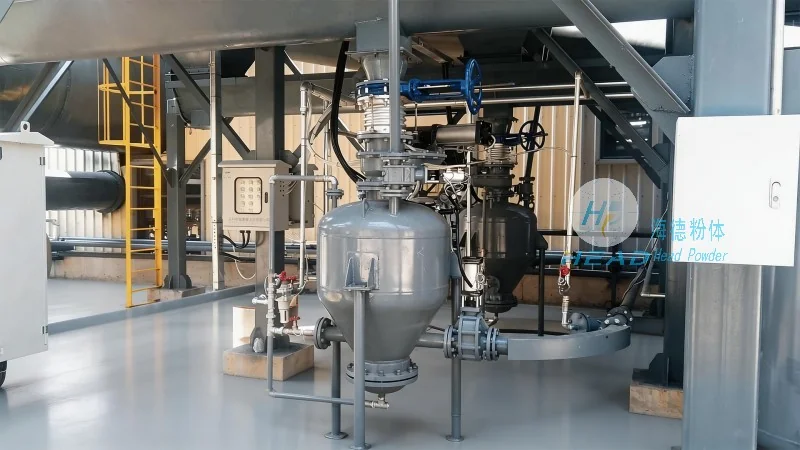
HeadPowder's Expertise in Designing Pneumatic Conveying Solutions for Fertilizer Industries
Shandong HeadPowder Engineering Co., Ltd. leverages decades of experience in the engineering sector to develop customized pneumatic conveying solutions that address the specific challenges faced by fertilizer manufacturers. The company's team of engineers conducts thorough material analysis and process simulations to determine the optimal system configuration, including the type of air compressor, pipeline diameter, and conveying velocity. By integrating advanced control systems, HeadPowder's solutions ensure consistent material flow, reduce downtime, and enhance overall operational efficiency. The company's commitment to quality is reflected in its adherence to international standards and rigorous testing protocols, guaranteeing that each pneumatic conveying system meets the highest performance and safety requirements.
Advantages of Pneumatic Conveying for Fertilizer Granular Materials
Compared to traditional mechanical conveying methods, pneumatic conveying offers several advantages in the fertilizer industry. It eliminates the need for moving parts in the conveying line, reducing maintenance costs and minimizing the risk of material contamination. The enclosed pipeline system also prevents dust emissions, contributing to a cleaner and safer working environment. Furthermore, pneumatic conveying systems can handle materials with varying properties, such as different granule sizes or moisture levels, without requiring significant modifications. This flexibility makes them suitable for a wide range of fertilizer processing applications, from bulk storage to final product packaging.
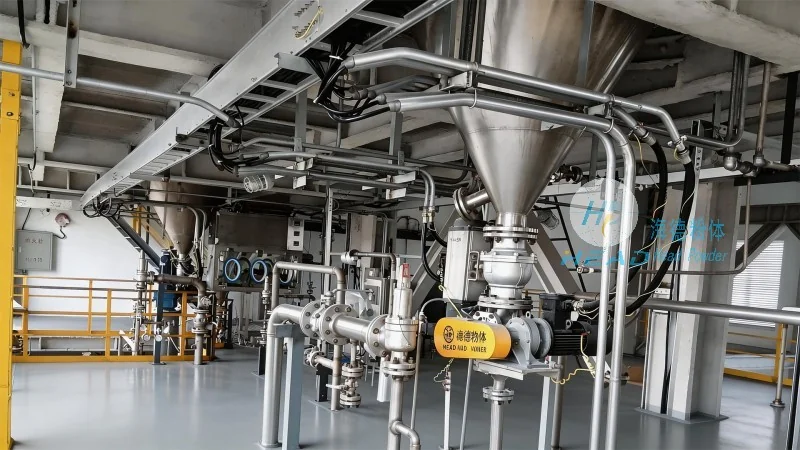
Conclusion: Enhancing Fertilizer Handling with Advanced Pneumatic Conveying Technology
As the fertilizer industry continues to evolve, the demand for efficient and reliable material handling solutions remains paramount. Pneumatic conveying technology, with its ability to handle granular materials with precision and minimal disruption, plays a critical role in optimizing production workflows. HeadPowder, with its expertise and commitment to innovation, provides tailored pneumatic conveying systems that address the unique needs of fertilizer manufacturers. By leveraging advanced engineering principles and industry best practices, the company ensures that its solutions deliver long-term value, improve operational efficiency, and support the sustainable growth of the fertilizer sector.