

Principle and Working Scene Characteristics of a Phosphate Iron Material Pneumatic Conveying System
Phosphate iron material pneumatic conveying systems represent a sophisticated approach to material handling, particularly in industrial settings where the efficient and safe transport of bulk materials is critical. These systems utilize air as the primary medium to move phosphate iron particles from one location to another, offering advantages such as reduced equipment wear, improved safety, and enhanced process control compared to traditional mechanical conveying methods.
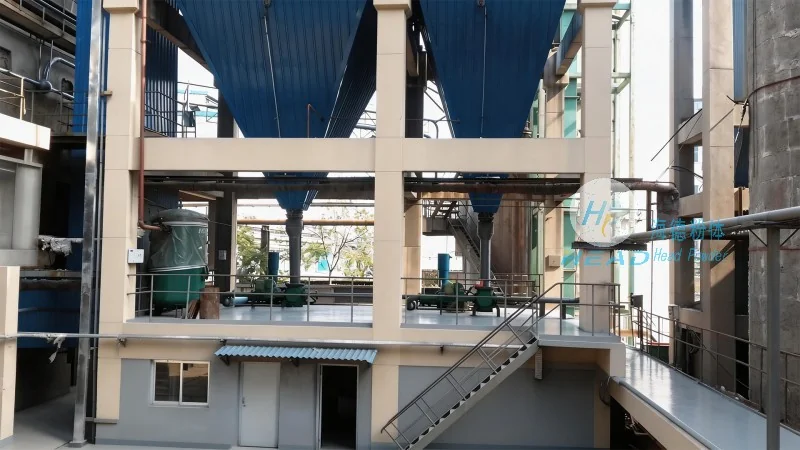
Overview of Pneumatic Conveying Technology
Pneumatic conveying systems operate by creating a flow of air through a pipeline, which then carries the phosphate iron material. The process typically involves a combination of positive pressure (where air is forced into the system) or negative pressure (where air is drawn out, creating a vacuum). The choice between these two modes depends on factors like the distance to be covered, the material's characteristics, and the system's overall design. Positive pressure systems are often preferred for long-distance or high-volume applications, as they can maintain consistent air pressure and material flow, while negative pressure systems are more suitable for shorter distances or when dealing with dusty or hazardous materials.
Principle of Operation for Phosphate Iron Material Handling
The core principle of a phosphate iron pneumatic conveying system is the use of air to suspend and transport the material particles. The system consists of several key components, including a material feeder, a conveying line, a separator, and a receiver. The material feeder ensures a consistent feed rate of phosphate iron, preventing blockages and maintaining stable flow. The conveying line, usually made of stainless steel or other corrosion-resistant materials, is designed to withstand the abrasive nature of phosphate iron and the pressure differentials involved. The separator, often a cyclone or a bag filter, separates the material from the air stream, allowing the phosphate iron to be collected in the receiver while the air is either recirculated or discharged. This separation process is crucial for maintaining material purity and preventing dust contamination in the surrounding environment.
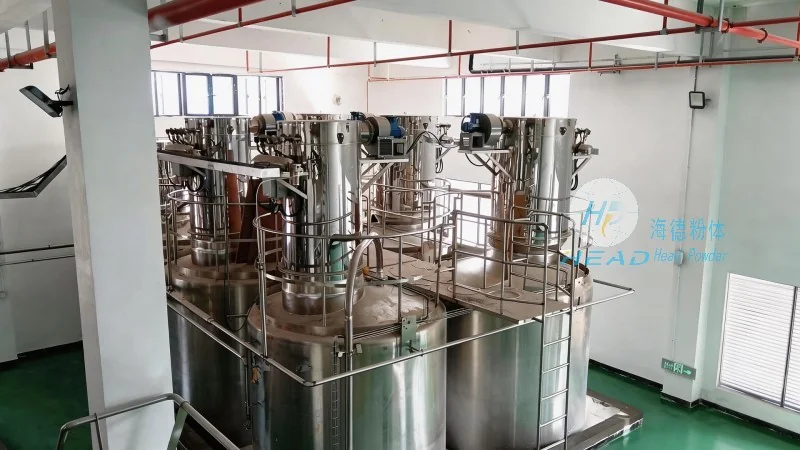
Working Scene Characteristics and Applications
Phosphate iron material pneumatic conveying systems are widely used in various industrial applications, particularly in the chemical and mining sectors. The working scene characteristics of these systems are tailored to the specific demands of each application, ensuring optimal performance and efficiency. For example, in fertilizer production plants, where phosphate iron is a key raw material, the system must handle large volumes of material while maintaining high purity standards. In mining operations, the system may need to transport phosphate iron from storage silos to processing equipment, requiring robust and reliable components that can withstand harsh environmental conditions. The working scene also includes considerations such as space constraints, environmental regulations, and the need for minimal maintenance, all of which influence the design and implementation of the pneumatic conveying system.

Advantages and Considerations in Phosphate Iron Material Handling
Implementing a phosphate iron pneumatic conveying system offers several advantages over traditional conveying methods. These include reduced equipment wear due to the lack of mechanical contact between the material and the system components, improved safety by eliminating the need for manual handling of bulk materials, and enhanced process control through precise control of material flow rates. However, there are also considerations to keep in mind, such as the need for proper air filtration to prevent dust accumulation, the importance of regular maintenance to ensure system efficiency, and the potential for pressure drop in long conveying lines, which may require additional air boosters or larger duct sizes. Additionally, the system's design must account for the specific properties of phosphate iron, including its particle size distribution, moisture content, and abrasiveness, to ensure reliable and consistent operation.
About Shandong HeadPowder Engineering Co., Ltd.
Shandong HeadPowder Engineering Co., Ltd., commonly known as headpowder, is a leading provider of pneumatic conveying solutions tailored for phosphate iron and other bulk materials. With a strong focus on engineering excellence and customer satisfaction, the company specializes in designing, manufacturing, and installing customized pneumatic conveying systems that meet the unique requirements of industrial applications. Headpowder's expertise lies in understanding the specific challenges of handling phosphate iron, such as its abrasive nature and potential for dust generation, and developing solutions that address these challenges effectively. The company's facilities are located in Shandong, China, where it leverages advanced technology and a skilled workforce to deliver high-quality products and services to clients worldwide.