

[Principle and Working Scene Characteristics of Flower Bio-Material Pneumatic Conveying Lines]
HeadPowder, a leading provider in the field of material handling solutions, specializes in the design, manufacturing, and installation of advanced pneumatic conveying systems tailored for the processing of flower bio-materials. This article delves into the fundamental principles behind these systems and highlights the key working scene characteristics that make them indispensable in modern horticultural and agricultural operations.

The Principle of Pneumatic Conveying for Flower Bio-Materials
The core principle of pneumatic conveying systems involves the transport of solid materials, such as flower petals, seeds, or other organic residues, through a pipeline using compressed air or other gas streams. In the case of flower bio-materials, the system typically operates under positive pressure, where air is forced through the pipeline to move the material from the source to the destination. This method eliminates the need for mechanical components like belts or screws, reducing maintenance costs and minimizing product contamination. The system consists of several key components, including a material feeder, a compressor, a pipeline network, and a discharge unit. The material feeder ensures a consistent flow of the bio-material into the system, while the compressor generates the necessary pressure to drive the material through the pipeline. The pipeline network is designed with appropriate diameters and bends to minimize pressure loss and ensure smooth material transport. Finally, the discharge unit collects the material at the end of the line, allowing for efficient processing or storage.
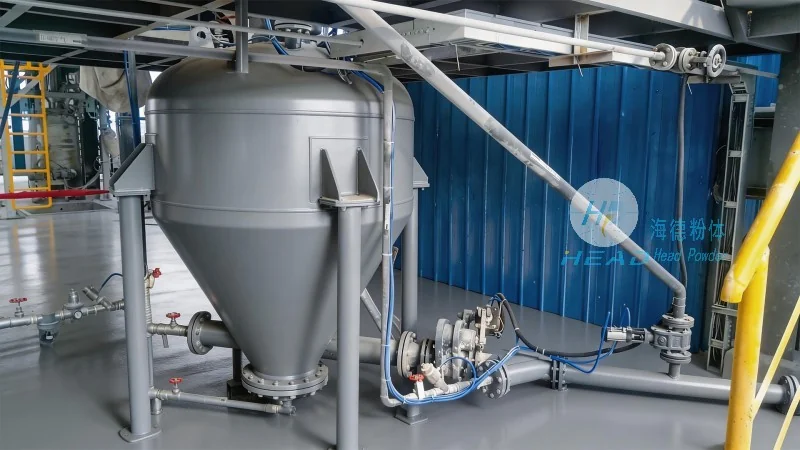
Working Scene Characteristics of Flower Bio-Material Pneumatic Conveying Lines
The working scene characteristics of these systems are tailored to the specific requirements of flower bio-material processing environments. One of the primary characteristics is the ability to handle a wide range of material types, from fine powders to larger particles, with minimal degradation or loss. This flexibility is crucial in flower processing facilities where materials may vary in size, moisture content, or density. Another key characteristic is the system's ability to operate in clean and hygienic conditions, which is essential for maintaining product quality and compliance with industry standards. The use of stainless steel or food-grade materials in the construction of the system components ensures that the bio-materials remain uncontaminated throughout the conveying process. Additionally, the system's compact design allows for integration into existing processing lines without significant modifications to the facility layout. This adaptability is particularly beneficial in small to medium-sized flower processing operations where space is limited.

Application Scenarios and Operational Benefits
Flower bio-material pneumatic conveying lines are widely used in various application scenarios within the horticultural industry. For instance, in flower cutting and processing facilities, these systems efficiently transport flower petals from the cutting area to the drying or packaging sections. The positive pressure operation ensures that the petals are moved gently, preserving their texture and color. In seed processing plants, the system can transport flower seeds from the harvesting area to the cleaning and sorting stages, maintaining the integrity of the seeds. Another common application is in the processing of organic residues from flower farms, where the system collects and transports these materials to composting or recycling facilities. The operational benefits of these systems include increased efficiency in material handling, reduced labor costs, and improved product quality. By eliminating manual handling, the system minimizes the risk of product damage and contamination, leading to higher yields and better market value for the processed flower bio-materials.
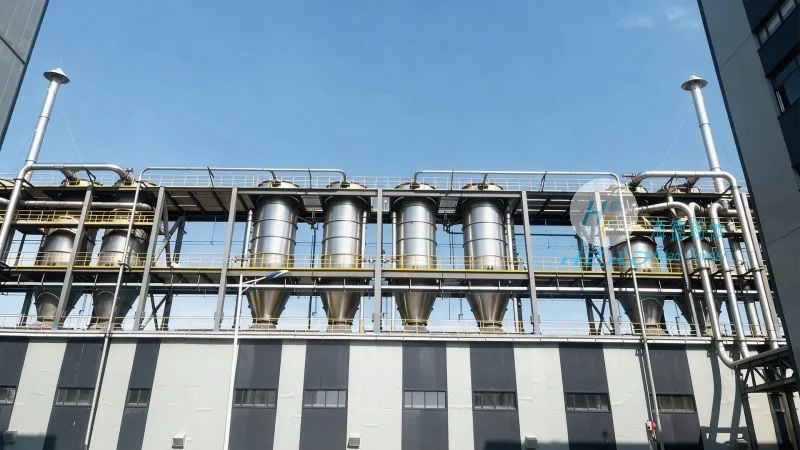
Technical Advantages and Customization Options
HeadPowder's flower bio-material pneumatic conveying systems offer several technical advantages that enhance their performance and reliability. The use of high-efficiency compressors ensures consistent pressure levels, even with varying material loads. The pipeline network is designed with smooth transitions and minimal bends to reduce pressure drop and energy consumption. The system also includes advanced control systems that monitor pressure, flow rate, and material level, providing real-time feedback and allowing for automated operation. Customization options are available to meet the specific needs of different flower processing operations. For example, the system can be adjusted to handle different material types, such as dried flower petals versus fresh flower residues. The pipeline diameter and length can also be modified to fit the spatial constraints of the facility. Additionally, the system can be integrated with other processing equipment, such as dryers or sorters, to create a fully automated production line.