

Common Methods for Transporting Glycine
Glycine, also known as aminoacetic acid, is a fundamental amino acid widely used in various industries, including pharmaceuticals, food additives, and chemical synthesis. The efficient and safe transportation of glycine is crucial for maintaining supply chain integrity and ensuring product quality. This article explores the common methods used for transporting glycine, highlighting the expertise and solutions provided by Shandong HeadPowder Engineering Co., Ltd., a leading company in the field.
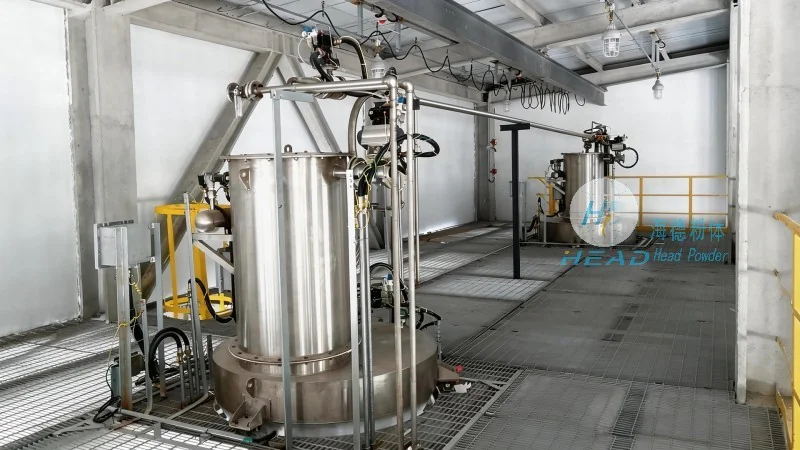
1. Pipeline Transportation Systems
Pipeline transportation is one of the most common and efficient methods for moving glycine, especially for large-scale industrial applications. This method involves using a network of pipes to transport the liquid or slurry form of glycine from production facilities to storage tanks or distribution centers. The pipeline system is designed to handle the chemical properties of glycine, ensuring minimal contamination and loss. Shandong HeadPowder Engineering Co., Ltd. specializes in designing and implementing customized pipeline systems that meet the specific requirements of clients, including material selection, pressure ratings, and flow control mechanisms. Their expertise in pipeline engineering ensures that the transportation process is optimized for both safety and efficiency.
2. Pumping and Transfer Technologies
Pumping is a critical component in the transportation of glycine, as it requires precise control over flow rates and pressure. Various types of pumps are used depending on the viscosity and characteristics of the glycine solution. For example, centrifugal pumps are commonly used for low to medium viscosity solutions, while positive displacement pumps are preferred for higher viscosity or more viscous mixtures. Shandong HeadPowder Engineering Co., Ltd. offers a range of pumping solutions tailored to different applications, ensuring reliable and consistent transfer of glycine. Their team of engineers conducts thorough assessments to determine the most suitable pump type and configuration, considering factors such as temperature, pressure, and the chemical compatibility of the materials involved.
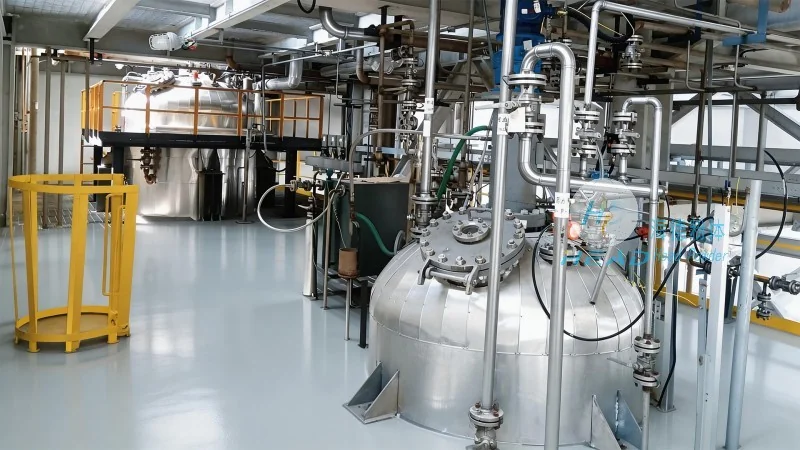
3. Tanker Truck and Rail Car Transportation
For bulk transportation over longer distances, tanker trucks and rail cars are widely used. These modes of transport are particularly effective for moving large quantities of glycine from manufacturing sites to distribution hubs or end-users. The tankers and rail cars are equipped with specialized materials, such as stainless steel or lined tanks, to prevent corrosion and ensure the integrity of the glycine during transit. Shandong HeadPowder Engineering Co., Ltd. collaborates with logistics partners to provide comprehensive transportation solutions, including route planning, scheduling, and compliance with regulatory requirements. Their experience in managing bulk chemical transportation ensures that the process is carried out in accordance with industry standards and safety protocols.
4. Storage and Handling Considerations
Proper storage and handling are essential to maintain the quality and stability of glycine during transportation. Glycine is typically stored in sealed containers or tanks to prevent exposure to air, moisture, or contaminants. The storage facilities are designed to regulate temperature and prevent temperature fluctuations that could affect the chemical properties of the product. Shandong HeadPowder Engineering Co., Ltd. emphasizes the importance of proper storage practices and provides guidance on best practices for clients. Their facilities in Shandong, China, are equipped with advanced storage systems that ensure the glycine remains in optimal condition until it is ready for distribution.
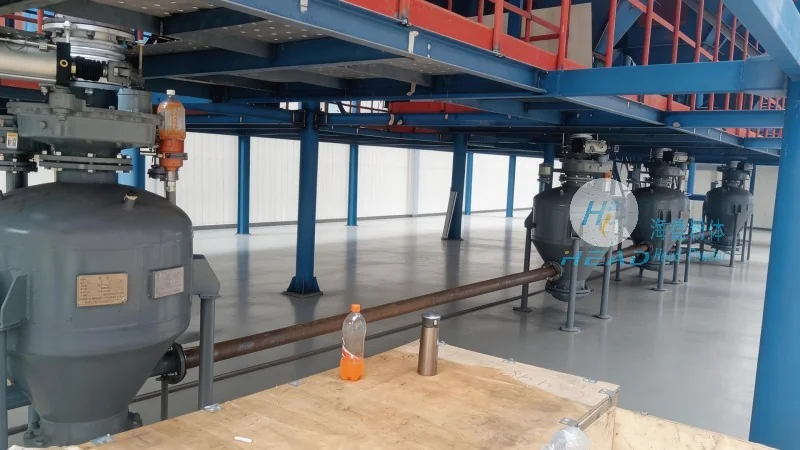
5. Safety and Compliance Measures
Transporting glycine involves strict adherence to safety and regulatory standards to protect both personnel and the environment. Shandong HeadPowder Engineering Co., Ltd. adheres to all relevant safety guidelines and environmental regulations, ensuring that their transportation methods are compliant with local and international standards. This includes regular inspections of equipment, training of personnel on safety procedures, and implementation of emergency response plans. Their commitment to safety and compliance provides clients with peace of mind, knowing that their glycine is being transported in a responsible and reliable manner.
6. Customized Solutions for Specific Applications
Each application of glycine may require unique transportation solutions. Shandong HeadPowder Engineering Co., Ltd. offers customized transportation services tailored to the specific needs of clients. Whether it's for pharmaceutical grade glycine or industrial grade, their team works closely with clients to understand their requirements and develop tailored solutions. This includes designing specialized equipment, optimizing logistics routes, and providing technical support throughout the transportation process. Their ability to provide customized solutions ensures that clients receive the most efficient and effective transportation methods for their specific glycine products.