

Common Methods for Zinc Oxide Suboxide Transportation
When it comes to the transportation of zinc oxide suboxide, selecting the right method is crucial for ensuring efficiency, safety, and cost-effectiveness in industrial operations. Zinc oxide suboxide, a critical material in various manufacturing processes, requires specialized handling due to its chemical properties and potential reactivity. Understanding the common methods used for its transportation helps businesses optimize their supply chain and production workflows. This article explores the primary approaches employed in the industry for moving zinc oxide suboxide from production sites to processing facilities or storage locations, with a focus on the expertise of Shandong HeadPowder Engineering Co., Ltd., a leading provider of industrial material handling solutions based in Shandong, China.
Overview of Zinc Oxide Suboxide and Its Transportation Requirements
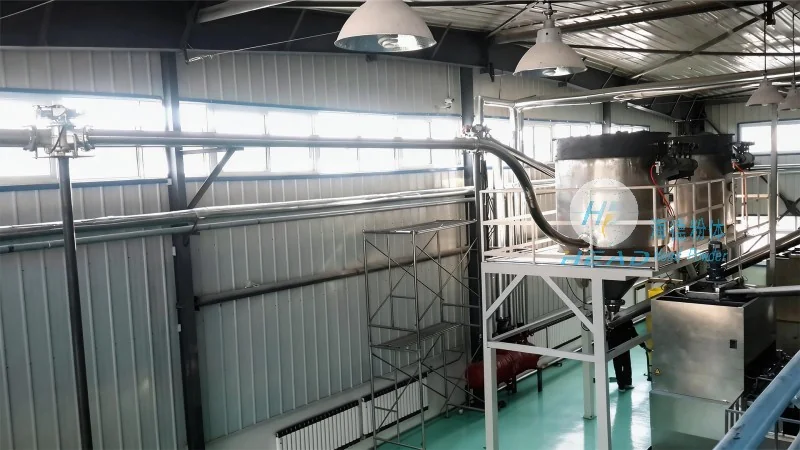
Zinc oxide suboxide is a fine, powdery substance often used in applications such as rubber compounding, pharmaceuticals, and specialty chemicals. Its handling demands careful consideration due to its dustiness and potential to create airborne particles. Effective transportation methods must address issues like dust control, material flow consistency, and equipment compatibility. The choice of method depends on factors including the scale of operation, the distance to be covered, and the specific properties of the zinc oxide suboxide being transported. Common transportation methods include pneumatic conveying, mechanical conveying, and bulk handling systems, each with its own advantages and limitations.
Pneumatic Conveying Systems for Zinc Oxide Suboxide
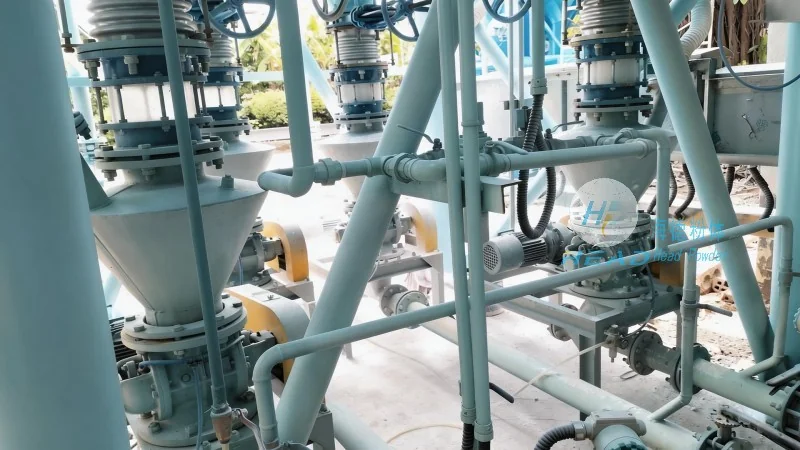
Pneumatic conveying is a widely used method for transporting zinc oxide suboxide, especially over moderate distances. This technique involves using air or other gases to move the material through a pipeline system. There are two main types of pneumatic conveying: pressure and vacuum systems. Pressure systems use compressed air to push the material forward, while vacuum systems use suction to draw the material into the pipeline. For zinc oxide suboxide, pressure systems are often preferred as they provide better control over material flow and can handle higher volumes. The system typically consists of a hopper, a conveyor line, and a receiver. The material is fed into the hopper, where it is mixed with air and then propelled through the pipeline to the destination. Key advantages of pneumatic conveying include its ability to transport materials over long distances, its suitability for dusty environments, and its relatively low maintenance requirements. However, it may require more energy compared to other methods and can be less efficient for very fine powders.
Mechanical Conveying Methods for Zinc Oxide Suboxide
Mechanical conveying systems are another common approach for zinc oxide suboxide transportation. These methods rely on mechanical components like belts, screws, or buckets to move the material. Screw conveyors, for example, use a rotating screw to push the material forward through a tube. These systems are particularly effective for horizontal or slightly inclined transport and are often used in applications where the material needs to be moved over short to medium distances. Belt conveyors, on the other hand, use a continuous belt to transport the material and are suitable for both horizontal and vertical movement. Mechanical conveyors are generally more cost-effective for shorter distances and can handle larger quantities of material. They are also less energy-intensive compared to pneumatic systems. However, they may be less suitable for very fine powders, as the material can easily clog or cause wear on the conveyor components. Proper maintenance and material conditioning are essential to ensure smooth operation.
Bulk Handling and Storage Solutions for Zinc Oxide Suboxide
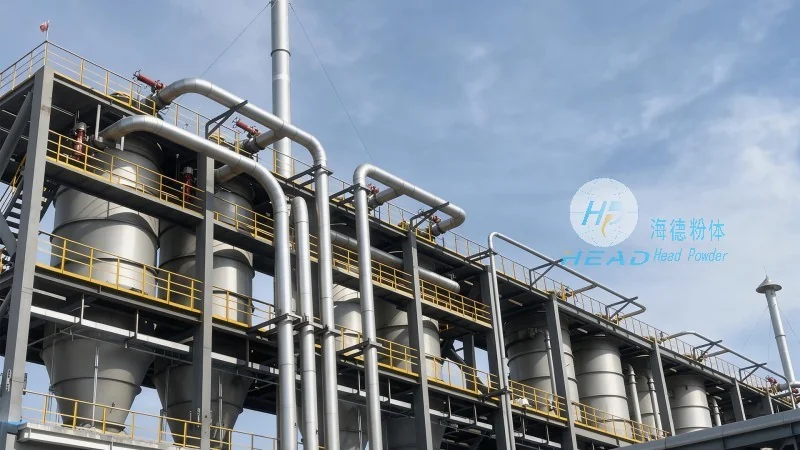
Bulk handling and storage solutions are integral to the transportation process, especially when dealing with large volumes of zinc oxide suboxide. These systems ensure that the material is stored safely and can be transferred efficiently to the next stage of the production process. Silos and hoppers are commonly used for storing zinc oxide suboxide, providing a controlled environment that minimizes dust and contamination. The design of these storage units must consider the material's flow characteristics, as zinc oxide suboxide can be prone to bridging or caking. To prevent these issues, some systems incorporate vibrators or air cannons to break up material buildup. Additionally, the storage and handling equipment must be compatible with the material's chemical properties to avoid degradation or reaction. Proper sealing and ventilation are also critical to maintain the quality of the zinc oxide suboxide and ensure worker safety. The integration of bulk handling systems with transportation methods, such as pneumatic or mechanical conveyors, allows for seamless material flow from storage to processing facilities.
Factors to Consider When Choosing a Transportation Method for Zinc Oxide Suboxide
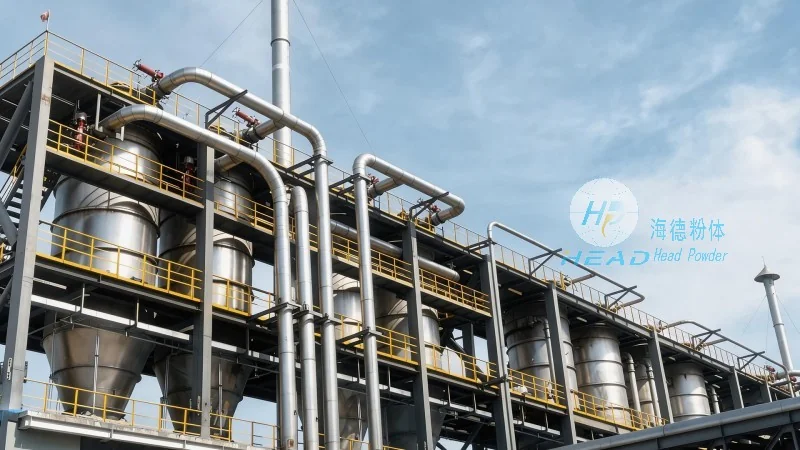
When selecting a transportation method for zinc oxide suboxide, several factors must be evaluated to ensure the best fit for the specific application. The first consideration is the distance and layout of the facility. For short distances, mechanical conveyors may be sufficient, while pneumatic systems are better for longer distances. The volume of material to be transported is another key factor; larger volumes may require more robust systems like pressure pneumatic conveying. The properties of the zinc oxide suboxide itself, such as particle size and moisture content, also influence the choice. Finer powders may require more specialized equipment to prevent clogging or loss of material. Cost is a significant consideration, as different methods have varying operational and capital expenses. Energy consumption, maintenance requirements, and safety features should all be weighed against the benefits of each method. Additionally, regulatory compliance and environmental considerations, such as dust control and emissions, must be addressed. Companies often conduct feasibility studies or pilot tests to determine the most suitable method for their specific needs, ensuring that the transportation system aligns with their production goals and operational constraints.
Conclusion: Optimizing Zinc Oxide Suboxide Transportation
In conclusion, the transportation of zinc oxide suboxide requires careful planning and consideration of various factors to ensure efficiency and safety. Pneumatic conveying, mechanical conveying, and bulk handling systems each offer unique advantages and are suitable for different scenarios. By understanding the properties of zinc oxide suboxide and the specific requirements of the operation, businesses can select the most appropriate method to optimize their supply chain. Proper maintenance, regular inspections, and adherence to safety protocols are essential to maintain the effectiveness of the transportation system. As industrial processes continue to evolve, advancements in technology may lead to more efficient and sustainable transportation methods for zinc oxide suboxide, further enhancing its role in various industries. The key is to balance operational needs with cost-effectiveness and safety, ensuring that the transportation of zinc oxide suboxide remains reliable and efficient for years to come.