

Operation Process and Working Principle of Lead Powder Pneumatic Conveying System
Lead powder pneumatic conveying systems are critical in industrial applications where the safe and efficient transport of lead powder is required. These systems utilize air or gas as the medium to move the powder from one location to another, offering advantages such as reduced contamination, improved safety, and enhanced process control. The operation process and working principle of such systems are essential for understanding their functionality and optimizing performance. HeadPowder, a leading provider of engineering solutions, specializes in designing and implementing reliable lead powder pneumatic conveying systems tailored to the specific needs of industrial clients. With operations based in Shandong, China, HeadPowder leverages years of experience to deliver high-quality, customized solutions for lead powder handling.
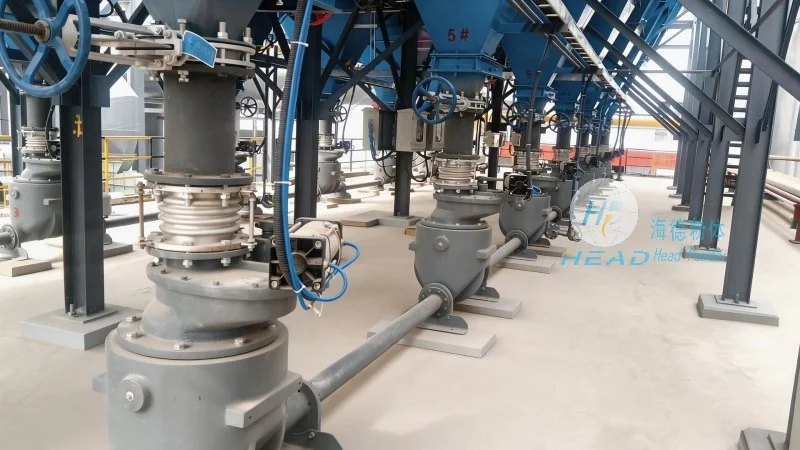
Key Components of a Lead Powder Pneumatic Conveying System
A typical lead powder pneumatic conveying system consists of several key components that work in tandem to achieve the desired transport. These components include a hopper or feeder for storing and feeding the lead powder, a blower or compressor to generate the air flow, a pipeline system to guide the powder-air mixture, and a receiver or discharge unit for the material. Each component plays a vital role in ensuring the system operates smoothly and reliably. The hopper is designed to store the lead powder and control the feed rate, preventing overfilling and maintaining consistent material flow. The blower or compressor provides the necessary pressure or vacuum to move the powder through the pipeline, with options including positive displacement blowers for pressure systems or vacuum pumps for vacuum systems. The pipeline system is typically made of materials resistant to lead powder corrosion and abrasion, such as stainless steel or special coatings, to ensure durability and longevity. The receiver collects the transported lead powder and may include a filter or separator to remove any entrained air before the material is discharged into a storage container.
The Working Principle of Pneumatic Conveying
The core working principle of a lead powder pneumatic conveying system is based on the creation of a pressure differential or a vacuum to move the powder particles through the pipeline. In a pressure system, the blower increases the air pressure above the material's density, causing the powder to be pushed through the pipeline. The air velocity must be sufficient to keep the lead powder particles suspended in the air stream, typically ranging from 20 to 30 meters per second for fine powders. In a vacuum system, a vacuum pump creates a low-pressure environment that draws the powder into the pipeline, with the vacuum level often maintained at around 50 to 70% of atmospheric pressure. The choice between pressure and vacuum systems depends on factors such as the distance to be covered, the height of the lift, and the characteristics of the lead powder, including particle size, moisture content, and flowability. For lead powder, which can be abrasive and potentially hazardous, the system design must incorporate safety features like explosion-proof components and dust collection systems to mitigate risks.

Operation Process: From Feeding to Discharge
The operation process of a lead powder pneumatic conveying system involves several sequential steps, each critical to the system's overall performance. First, the lead powder is fed from the storage hopper into the conveying line. The feeder, often a rotary valve or a screw feeder, controls the flow rate to maintain a consistent pressure in the system, preventing surges or fluctuations that could affect the conveying efficiency. Next, the blower or compressor supplies the necessary air volume and pressure to move the powder. The powder particles are then suspended in the air stream and carried through the pipeline to the discharge point. The pipeline may include bends, expansions, or contractions, which are designed to minimize pressure loss and maintain the powder's suspension. At the receiver, the powder is collected in a container, and the air is typically filtered and recycled back to the system to minimize waste and environmental impact. The filter system, often equipped with high-efficiency particulate air (HEPA) filters, captures any fine lead powder particles, ensuring that the air discharged from the system is clean and compliant with environmental regulations.
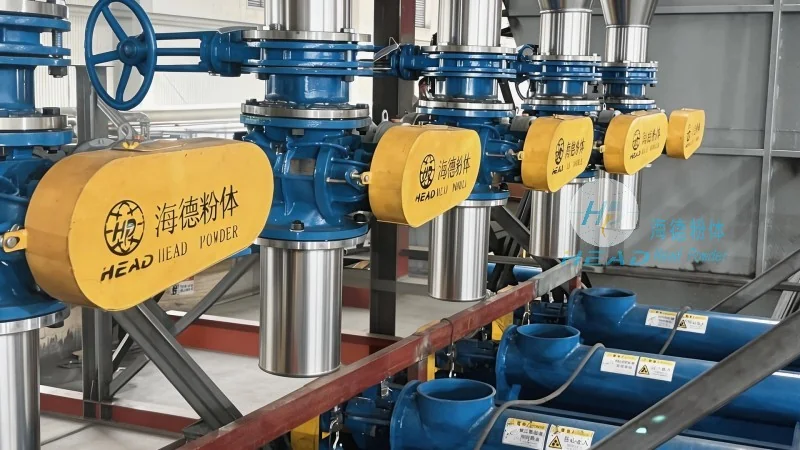
System Performance and Optimization
Optimizing the performance of a lead powder pneumatic conveying system is crucial for maximizing efficiency and minimizing operational costs. Key factors to consider include the air velocity, which must be sufficient to keep the powder suspended but not excessive to cause pressure drop or wear on the system components. The pipeline diameter and length also impact the system's performance, as longer or narrower pipes may require higher air pressure or additional boosters. For example, a system transporting lead powder over a distance of 100 meters may need a booster to maintain the required air pressure at the discharge end. Regular maintenance, such as cleaning filters and checking for leaks, is essential to ensure the system operates at peak efficiency and to prevent downtime. HeadPowder recommends routine inspections and maintenance schedules to identify and address issues before they become major problems, thereby extending the system's lifespan and reducing long-term costs.
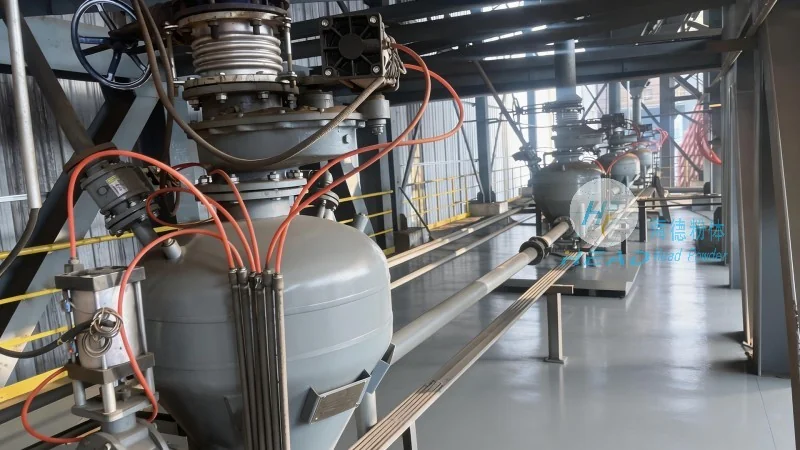
Applications and Benefits in Lead Processing
Lead powder pneumatic conveying systems are widely used in various lead processing applications, including smelting, refining, and recycling operations. The benefits of using such systems include improved material handling safety, reduced manual labor, and enhanced process control. By eliminating the need for manual handling of lead powder, the systems minimize the risk of exposure to lead dust, which is a known health hazard and can lead to respiratory issues or other health problems. Additionally, the closed-loop design of the system helps to contain dust and prevent environmental contamination, making it an environmentally friendly solution for lead powder transport. In smelting operations, the system can transport lead powder from storage to the furnace, ensuring a consistent feed rate and reducing the risk of furnace malfunctions. In refining processes, the system can move lead powder between different stages of the refining process, such as from the leaching tank to the filtration unit, improving the overall efficiency of the refining operation. For recycling plants, the system can transport lead powder from the recycling line to the storage area, facilitating the reuse of lead materials and reducing waste.
Conclusion: Reliable and Efficient Lead Powder Transport
In conclusion, lead powder pneumatic conveying systems are essential for the safe and efficient transport of lead powder in industrial settings. By understanding the operation process and working principle of these systems, operators can optimize performance, ensure safety, and maintain efficiency. With proper design, maintenance, and operation, these systems provide a reliable solution for handling lead powder, supporting the overall productivity and sustainability of lead processing operations. HeadPowder, with its expertise in lead powder handling systems, continues to provide industrial clients with high-quality solutions that meet their specific needs and comply with industry standards. The combination of advanced engineering, reliable components, and professional service ensures that lead powder pneumatic conveying systems operate at their best, delivering consistent performance and long-term value to clients in Shandong and beyond.