

Operation Process and Working Principle of Dry Powder Pneumatic Conveying Equipment
At Shandong HeadPowder Engineering Co., Ltd., we specialize in the design, manufacturing, and application of dry powder pneumatic conveying equipment. Our products are engineered to efficiently transport dry powders and bulk materials over various distances and in diverse industrial settings. This article provides a detailed overview of the operation process and working principle of these essential systems, highlighting their efficiency, reliability, and adaptability for modern industrial needs.
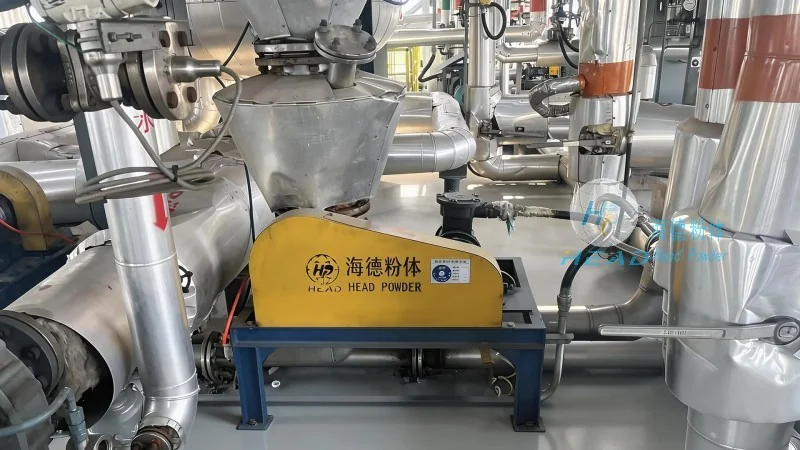
Company Profile: HeadPowder Engineering
HeadPowder Engineering, with its headquarters in Shandong, China, is a leading manufacturer in the field of pneumatic conveying technology. The company focuses on delivering high-quality, customized solutions for dry powder handling. Our team of experienced engineers and technicians ensures that each product meets stringent industry standards and client-specific requirements. By leveraging advanced engineering principles and cutting-edge materials, we develop systems that optimize material transport while minimizing operational costs and environmental impact.
Understanding Dry Powder Pneumatic Conveying
Dry powder pneumatic conveying is a method of transporting bulk materials, such as powders and granules, using a pressurized air or gas stream. Unlike traditional mechanical conveyors, this system relies on the force of the air flow to move the material through a pipeline. The process is widely used in industries like food processing, pharmaceuticals, chemicals, and mining due to its ability to handle sensitive materials without contamination or degradation.
The Core Components of Pneumatic Conveying Systems
Effective dry powder pneumatic conveying systems consist of several key components that work in tandem to ensure smooth operation. These components include the material feeder, the conveying line (pipeline), the air compressor or blower, and the control system. Each component plays a critical role in the overall performance of the system.
Material Feeder: Ensuring Consistent Feed
The material feeder is responsible for delivering the dry powder to the conveying line at a controlled rate. This component is crucial for maintaining a steady flow of material, preventing blockages, and ensuring uniform particle distribution. Common types of feeders include rotary valves, star feeders, and screw feeders, each designed to handle different material characteristics and flow rates.
Conveying Line: The Path of the Material
The conveying line, typically made of stainless steel or other corrosion-resistant materials, serves as the main channel for transporting the powder. The design of the pipeline, including its diameter, length, and bends, directly impacts the system's efficiency and pressure drop. Properly sized and configured lines minimize energy consumption and prevent material buildup or clogging.
Air Compressor or Blower: The Driving Force
The air compressor or blower generates the necessary pressure and airflow to move the powder through the system. The choice of equipment depends on the material's properties, the required conveying distance, and the desired flow rate. High-pressure blowers are used for short-distance, high-volume transport, while low-pressure systems are suitable for longer distances with lower material loads.
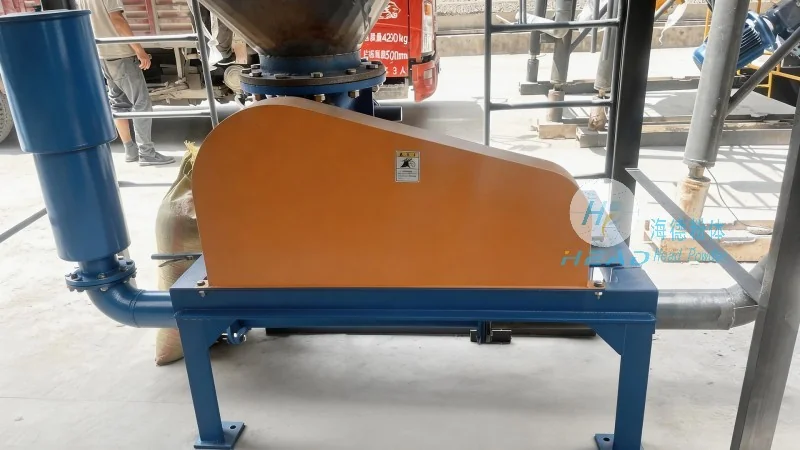
Control System: Monitoring and Adjusting Operations
The control system manages the entire operation by monitoring pressure, flow rates, and material levels. It ensures that the system operates within safe and efficient parameters, automatically adjusting the air pressure or feed rate as needed. Modern control systems often incorporate sensors and automation technologies to enhance reliability and reduce human intervention.
The Operation Process: Step-by-Step
The operation of a dry powder pneumatic conveying system follows a systematic process that ensures consistent and reliable material transport. The steps involved are as follows:
Step 1: Material Preparation and Feeding
Before the material is conveyed, it is typically prepared by removing moisture, foreign particles, or agglomerates. The prepared powder is then fed into the system using the material feeder at a controlled rate. This step ensures that the material enters the conveying line in a uniform manner, preventing sudden surges or blockages.
Step 2: Air Injection and Mixing
Once the material is in the feeder, the air compressor or blower injects pressurized air into the conveying line. The air and powder mix together, forming a suspension that is carried through the pipeline. The ratio of air to powder (air-to-material ratio) is carefully controlled to achieve optimal conveying efficiency and minimize energy consumption.
Step 3: Transport Through the Conveying Line
The mixed air-powder suspension travels through the pipeline, overcoming resistance from bends, valves, and other components. The system's design, including the pipeline's diameter and length, is optimized to maintain the suspension's stability and prevent particle separation or clogging.
Step 4: Discharge and Separation
At the destination point, the system uses a separator or cyclone to separate the powder from the air. The separated powder is collected in a hopper or storage container, while the air is either recirculated or vented to the atmosphere. This step ensures that the material is delivered to its intended location without contamination or loss.
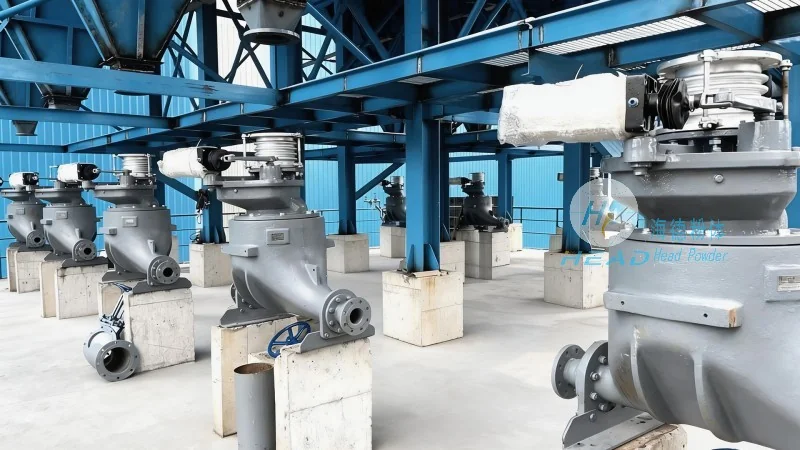
Working Principle: How It All Works Together
The working principle of dry powder pneumatic conveying is based on the principle of fluidization and suspension. The pressurized air creates a fluidized state within the conveying line, allowing the powder particles to be suspended and transported as a single phase. This method is more efficient than traditional mechanical conveyors because it eliminates the need for moving parts in contact with the material, reducing wear and maintenance costs.
Advantages of Dry Powder Pneumatic Conveying
Dry powder pneumatic conveying offers several advantages over other material transport methods. These include:
Efficiency and Speed
The system can transport materials over long distances in a short period, with minimal downtime. The high airflow rates and optimized pipeline design ensure rapid material delivery, improving overall production efficiency.
Low Maintenance and Reduced Downtime
Since the system relies on a closed pipeline with no moving parts in direct contact with the material, maintenance requirements are significantly lower. This reduces the risk of mechanical failure and minimizes downtime, leading to lower operational costs.
Flexibility and Adaptability
Pneumatic conveying systems can be easily adapted to handle different materials, flow rates, and distances. The modular design allows for customization, enabling companies to scale their operations as needed without major overhauls.
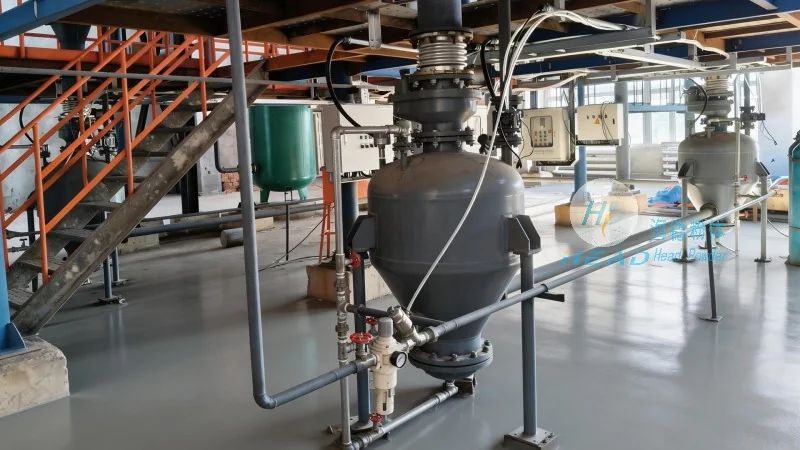
Environmental Benefits
By using a closed system, pneumatic conveyors prevent dust emissions and minimize environmental impact. The recirculation of air in some systems further reduces energy consumption and waste. This makes them an environmentally friendly choice for industries that prioritize sustainability.
Applications in Various Industries
Dry powder pneumatic conveying is widely used across multiple industries due to its versatility and efficiency. Some common applications include:
Food and Pharmaceutical Industries
In these industries, the system is used to transport sensitive materials such as powders, granules, and bulk ingredients. The closed system ensures that the materials remain uncontaminated, maintaining product quality and safety standards.
Chemical and Petrochemical Industries
Chemical and petrochemical plants use pneumatic conveyors to transport various powders and bulk chemicals. The system's ability to handle corrosive or hazardous materials makes it a preferred choice for these applications.
Mining and Mineral Processing
Mineral processing facilities rely on pneumatic conveying to transport raw materials and finished products. The system's durability and ability to handle abrasive materials make it suitable for harsh industrial environments.
Conclusion
Dry powder pneumatic conveying equipment, as provided by Shandong HeadPowder Engineering Co., Ltd., represents a sophisticated and efficient solution for modern material handling needs. By understanding the operation process and working principle of these systems, industries can optimize their production processes, reduce costs, and enhance overall operational efficiency. With a focus on quality, customization, and sustainability, HeadPowder Engineering continues to lead the way in pneumatic conveying technology, delivering reliable and effective solutions for a wide range of industrial applications.