

Operation Process and Working Principle of Grain Pneumatic Conveying Equipment
HeadPowder, formally known as Shandong HeadPowder Engineering Co., Ltd., is a leading manufacturer and supplier of advanced pneumatic conveying equipment. Based in Shandong, China, the company specializes in providing efficient and reliable solutions for grain and bulk material handling. With a strong commitment to innovation and quality, HeadPowder has established itself as a key player in the industry, delivering tailored solutions that meet the diverse needs of clients worldwide.
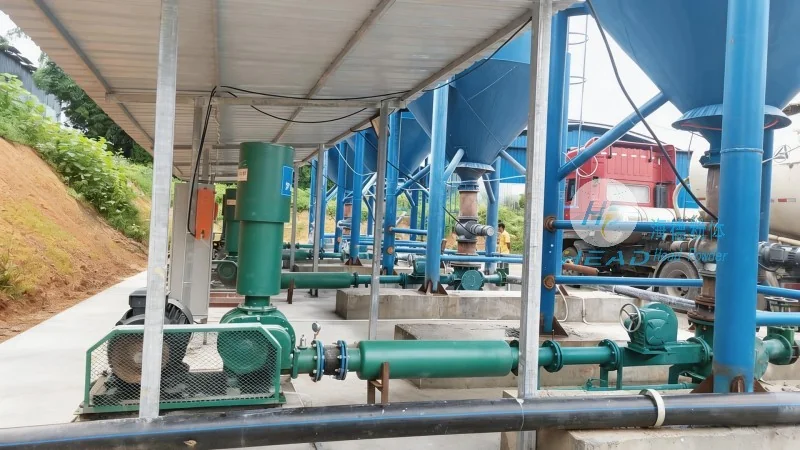
Operation Process and Working Principle of Grain Pneumatic Conveying Equipment
Grain pneumatic conveying equipment operates by utilizing air pressure to transport bulk materials like grains, powders, and other granular substances. The process typically involves a series of steps that ensure smooth and efficient material movement. First, the material is fed into the system, often through a hopper or inlet. Then, a fan or blower generates the necessary air flow, which creates a pressure differential that draws the material into the conveying line. The material is then carried through the pipeline by the moving air, reaching the discharge point where it is collected. This system eliminates the need for mechanical components like belts or buckets, reducing maintenance and increasing operational efficiency.
The working principle of pneumatic conveying relies on the principles of fluid dynamics and air movement. The equipment uses either positive pressure or negative pressure systems. In positive pressure systems, air is forced into the conveying line, pushing the material forward. In negative pressure systems, air is drawn out of the line, creating a vacuum that pulls the material in. Both systems are designed to handle different material characteristics and conveying distances. The efficiency of the system depends on factors such as air velocity, material density, and pipeline design. Properly designed pneumatic conveying systems can achieve high throughput rates while minimizing material degradation and energy consumption.
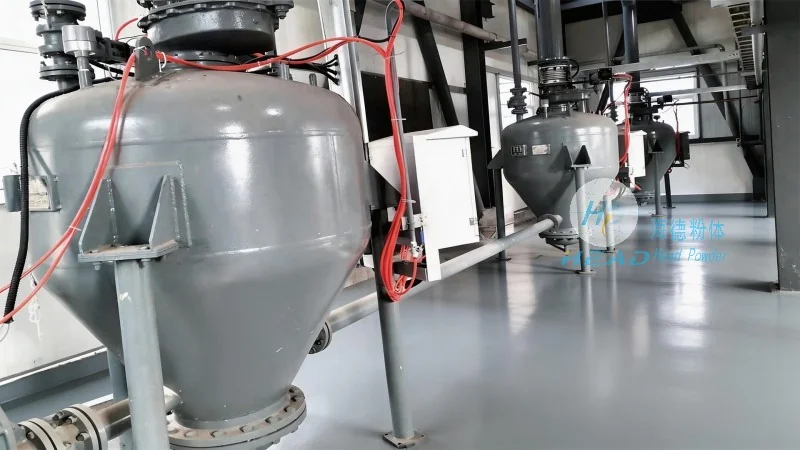
Step-by-Step Operation of Grain Pneumatic Conveying Systems
The operation of grain pneumatic conveying systems follows a systematic process that ensures consistent and reliable material transport. The first step is material loading, where bulk grains or other materials are fed into the hopper. The hopper is designed to provide a steady flow of material, preventing blockages and ensuring a consistent feed rate. Next, the air generation stage is initiated. A high-efficiency fan or blower is activated to produce the required air pressure and flow rate. The air pressure is carefully calibrated to match the material's density and the distance to be conveyed, optimizing the system's performance.
Following air generation, the material is drawn into the conveying line. The air flow creates a pressure differential that pulls the material from the hopper into the pipeline. The material particles are suspended in the air stream, and the air velocity is maintained at an optimal level to ensure efficient transport. The conveying line is typically made of durable materials like stainless steel or plastic, designed to withstand the abrasive nature of the material and the air pressure. As the material travels through the pipeline, it reaches the discharge point, where it is collected in a storage bin or processing unit. The air is then filtered and returned to the system, completing the cycle and ensuring minimal energy loss.
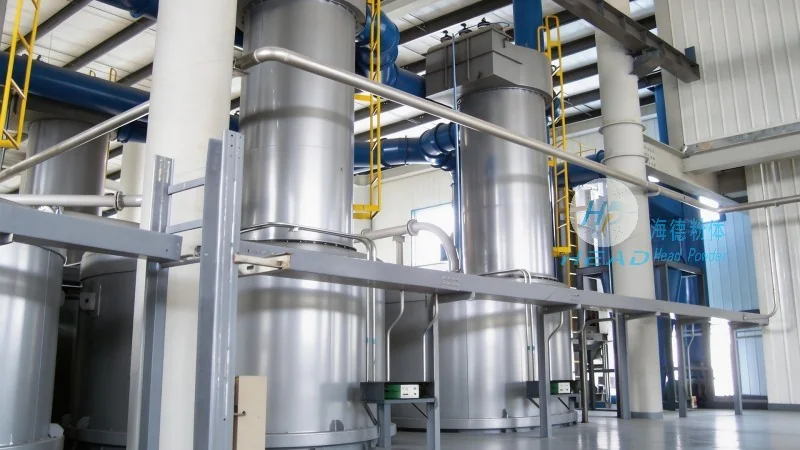
Key Working Principles and Technical Considerations
The effectiveness of grain pneumatic conveying equipment depends on several key working principles and technical factors. One of the primary principles is the balance between air velocity and material density. The air velocity must be sufficient to keep the material particles suspended in the air stream, preventing them from settling or causing blockages. This balance is critical for maintaining the system's efficiency and preventing damage to the equipment. Another important factor is the design of the pipeline system. The diameter and length of the pipeline, along with the number of bends and fittings, all impact the air pressure and material flow. Properly sized and designed pipelines minimize pressure loss and ensure smooth material transport.
Material characteristics also play a significant role in the operation of pneumatic conveying systems. Different grains and bulk materials have varying densities, moisture content, and flow properties, which affect how they are conveyed. For example, materials with high moisture content may require special handling to prevent caking or blockages. The system's design must account for these variations to ensure reliable operation. Additionally, the choice between positive and negative pressure systems depends on the specific application and material properties. Positive pressure systems are often used for short-distance conveying and handling abrasive materials, while negative pressure systems are suitable for longer distances and more delicate materials.