

Conveying Methods for Small Beans: Options and Approaches
When it comes to the efficient handling and transportation of small beans, selecting the right conveying method is crucial for optimizing production processes and ensuring product integrity. As a leading provider in the field, Shandong HeadPowder Engineering Co., Ltd., located in Shandong, China, offers a range of specialized solutions tailored to meet diverse operational needs. This article explores the primary methods for small bean conveying, highlighting their applications, advantages, and practical considerations.
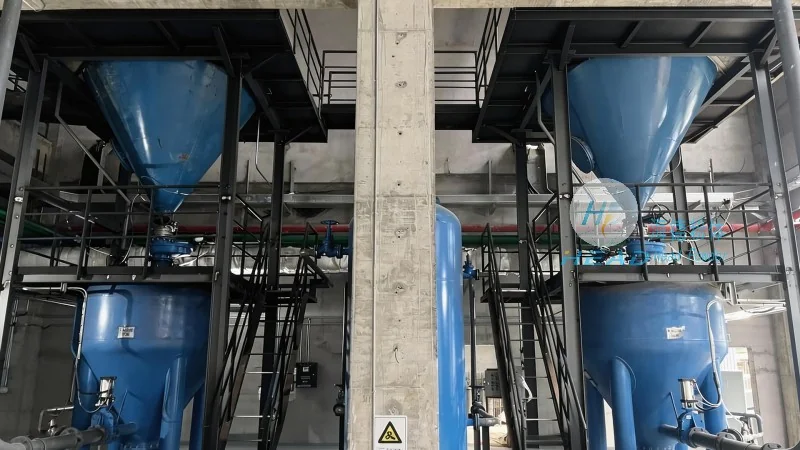
1. Belt Conveyors: A Versatile Solution for Small Bean Handling
Belt conveyors are widely used in small bean conveying due to their versatility and efficiency. These systems feature a continuous belt, typically made of durable materials like rubber or PVC, that transports beans along a designated path. The belt is supported by rollers or a flat surface, ensuring smooth and consistent movement. For small beans, the belt width and speed can be adjusted to prevent damage and optimize throughput. Belt conveyors are effective for various applications, including processing plants and storage facilities, where continuous, unidirectional movement is required. A key advantage is their ability to handle diverse bean types, including those with different sizes, shapes, and moisture levels. They are also relatively low-maintenance, with simple components that are easy to inspect and replace. This makes belt conveyors a cost-effective choice for businesses seeking to enhance small bean handling capabilities without significant capital investment.
2. Screw Conveyors: Efficient for Vertical and Horizontal Transport
Screw conveyors, or auger conveyors, are another popular option for small bean conveying. These systems consist of a rotating screw enclosed in a tube or housing, which moves beans through the system by rotation. Screw conveyors are highly effective for both horizontal and vertical transport, making them versatile for various applications. In horizontal configurations, they can transport beans over long distances with minimal energy consumption. For vertical lifting, they are particularly efficient, as they can elevate beans to elevated levels without additional equipment. The design allows for precise control over speed and direction, minimizing the risk of breakage for delicate small beans. Screw conveyors are also suitable for mixing or blending different batches of product. However, they may not be ideal for very fine or powdery beans, as the screw can cause excessive friction and heat. In such cases, alternative methods like pneumatic conveying may be more appropriate.
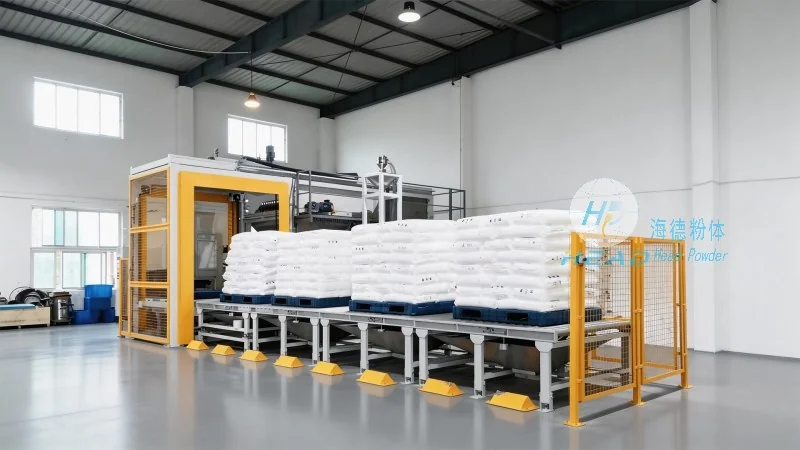
3. Pneumatic Conveying: High-Speed and Dust-Free Transport
Pneumatic conveying systems use air or gases to transport small beans through a pipeline, making them ideal for dust control and high-speed transport. The system includes a hopper, blower, and pipeline network that work together to move beans from the source to the destination. Pneumatic conveying is suitable for short to medium distances, with adjustable air pressure and flow rate for optimal performance. It effectively handles different particle sizes, preventing clogging or blockages. A major advantage is the dust-free environment, crucial for maintaining product quality and compliance in food processing facilities. These systems can be integrated with other processing equipment, creating a seamless production line. However, they have higher energy consumption, increasing operational costs for large-scale operations. Regular maintenance is required to keep air filters and pipelines clean.
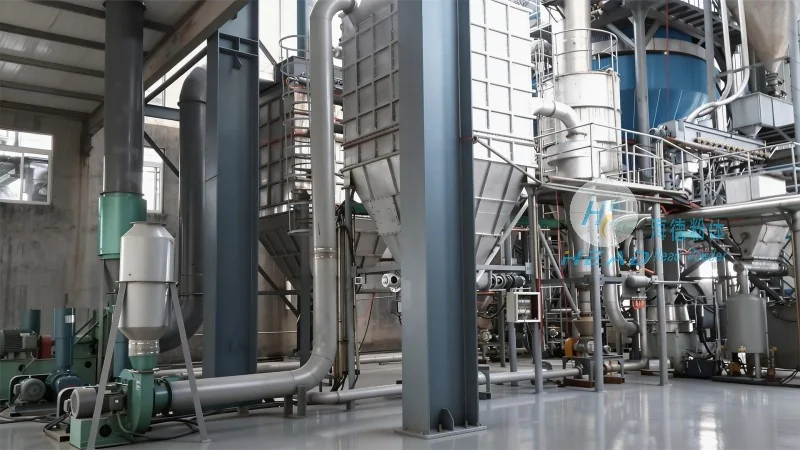
4. Bucket Elevators: Efficient Vertical Material Handling
Bucket elevators are specialized conveyors for vertical small bean transport. They consist of buckets attached to a chain or belt, moving beans upward through a vertical housing. Buckets fill at the bottom and discharge at the top, providing continuous flow. Highly efficient for vertical lifting, they transport large quantities with minimal energy. Ideal for elevating beans to higher levels, such as in storage silos or processing lines. The design allows precise control over speed and capacity, minimizing breakage risk for delicate beans. Suitable for mixing or blending, but may not handle very fine or powdery beans well, as buckets can cause friction and heat. Regular maintenance is needed for buckets and chains to ensure efficiency and safety.
5. Vibrating Conveyors: Gentle and Controlled Movement
Vibrating conveyors use vibration to move small beans along a trough or conveyor bed, ideal for delicate or fragile products. The conveyor has a trough supported by vibration motors, causing it to move in a specific pattern. Beans placed on the trough move with the vibration to the destination. Vibrating conveyors are suitable for long-distance or inclined path transport, maintaining product position and preventing sliding. They handle diverse bean types and are relatively low-maintenance, with simple components. However, they require more space than other systems and may produce noise, necessitating soundproofing or enclosing measures.