

Operation Process and Working Principle of Polyvinylidene Fluoride (PVDF) Pneumatic Conveying Equipm
Shandong HeadPowder Engineering Co., Ltd., a leading manufacturer in the field of industrial material handling solutions, specializes in the design, production, and installation of advanced pneumatic conveying systems. HeadPowder, as the company is commonly known, is headquartered in Shandong, China, and has established itself as a trusted partner for businesses requiring efficient and reliable material transport solutions. This article provides an in-depth look at the operation process and working principle of their polyvinylidene fluoride (PVDF) pneumatic conveying equipment, which is widely used in industries such as chemical processing, pharmaceuticals, and food processing due to its exceptional chemical resistance and durability.
Understanding the Working Principle of PVDF Pneumatic Conveying Systems
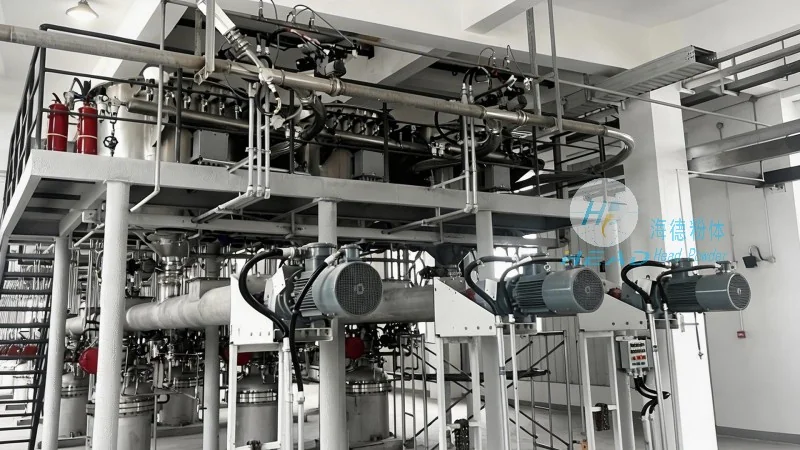
The core of a PVDF pneumatic conveying system lies in its ability to transport bulk materials through an enclosed pipeline using a stream of air or gas. The system typically consists of several key components, including a material hopper, a conveying line, a venturi or eductor, a filter system, and a dust collection unit. The material to be conveyed is first loaded into the hopper, where it is fed into the conveying line under the influence of the air flow generated by the system. The venturi or eductor creates a low-pressure zone that draws the material particles into the air stream, allowing them to be transported through the pipeline to the destination point. The PVDF material used in the construction of these systems is chosen for its high chemical resistance, making it suitable for handling aggressive or corrosive materials that would degrade other materials like metal or plastic.
Step-by-Step Operation Process of the Equipment
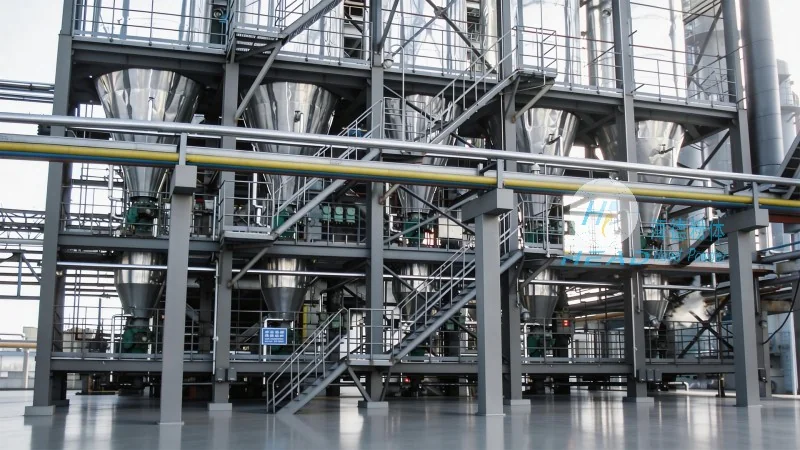
The operation of a PVDF pneumatic conveying system involves a series of coordinated steps to ensure efficient material transport. First, the material is loaded into the hopper, which is equipped with a feeding mechanism such as a rotary valve or a screw feeder. The feeding mechanism controls the rate at which material is introduced into the system, ensuring a consistent flow. Next, the air compressor or blower starts, generating a high-pressure air stream that flows through the conveying line. The air stream passes through the venturi or eductor, where it creates a suction effect that pulls the material particles from the hopper into the pipeline. As the material is drawn into the air stream, it is carried along the pipeline to the receiving hopper or storage tank. The air stream then passes through a filter system, which removes any fine particles or dust from the air before it is released back into the environment. The filtered air is typically recycled back into the system to reduce energy consumption and improve efficiency. The entire process is controlled by a programmable logic controller (PLC) or a similar control system, which monitors the flow rates, pressure levels, and other parameters to ensure optimal operation. The system can be operated in either positive or negative pressure modes, depending on the specific requirements of the application. In positive pressure mode, the air is pressurized and forced through the pipeline, while in negative pressure mode, the air is drawn from the pipeline, creating a vacuum that pulls the material.
Key Features and Benefits of PVDF Pneumatic Conveying Equipment
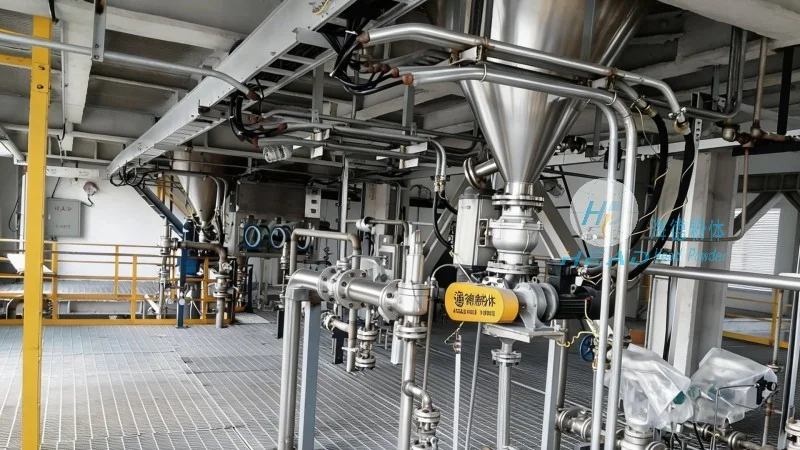
HeadPowder's PVDF pneumatic conveying equipment offers several advantages that make it a preferred choice for industrial applications. The use of PVDF material ensures excellent chemical resistance, allowing the system to handle a wide range of corrosive and aggressive materials without degradation. The enclosed pipeline design minimizes dust emissions and improves safety, as the material is contained within the system throughout the transport process. The system is also highly efficient, with low energy consumption and minimal maintenance requirements. The modular design of the equipment allows for easy installation and maintenance, reducing downtime and increasing productivity. Additionally, the system can be customized to meet the specific needs of different applications, with options for different material capacities, conveying distances, and control systems.
Applications and Industries Served
PVDF pneumatic conveying equipment from HeadPowder is used in a variety of industries where material handling is critical. In the chemical industry, it is used to transport corrosive chemicals, powders, and granules. In the pharmaceutical industry, it is used to handle sterile and sensitive materials, ensuring that the material remains clean and free from contamination. In the food processing industry, it is used to transport food-grade powders and granules, maintaining the quality and safety of the products. The equipment is also used in the mining and minerals industry, where it is used to transport bulk materials such as ores and coal. The versatility of the system makes it suitable for a wide range of applications, from small-scale operations to large-scale industrial plants.
Conclusion
Shandong HeadPowder Engineering Co., Ltd. provides high-quality PVDF pneumatic conveying equipment that is designed to meet the demanding requirements of modern industrial applications. The equipment operates efficiently and reliably, with excellent chemical resistance and durability. The company's commitment to quality and customer satisfaction has made it a trusted partner for businesses worldwide. By understanding the operation process and working principle of these systems, users can make informed decisions about their material handling needs and choose the right equipment for their specific applications.