

Operation Process and Working Principle of Fly Ash Silo Pneumatic Conveying Equipment
HeadPowder, a leading provider of industrial solutions, specializes in the design and manufacturing of advanced pneumatic conveying systems for fly ash silos. This article delves into the operation process and working principle of such equipment, highlighting its efficiency and reliability in handling fly ash in power plants and other industrial facilities.
Company Overview
HeadPowder, formally known as Shandong HeadPowder Engineering Co., Ltd., is headquartered in Shandong, China. The company has established itself as a trusted name in the field of industrial engineering, focusing on delivering high-quality equipment for material handling and processing. With a commitment to innovation and customer satisfaction, HeadPowder offers tailored solutions that meet the specific needs of clients in the energy and construction sectors.
Understanding Pneumatic Conveying Systems for Fly Ash Silos
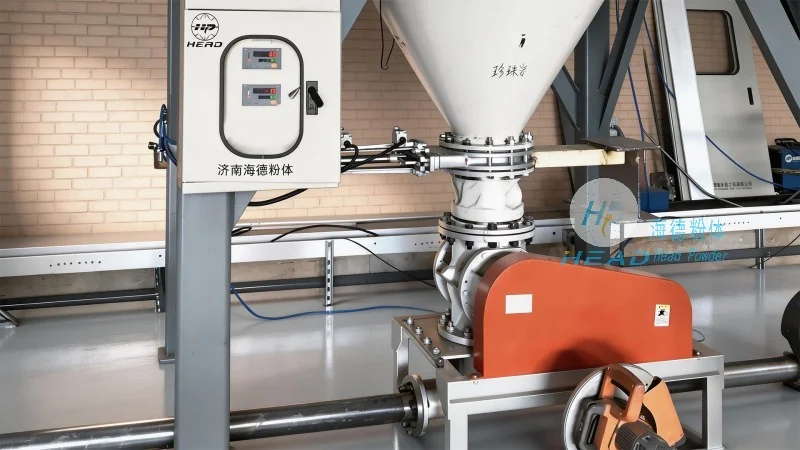
A fly ash silo pneumatic conveying machine is a critical component in the management of fly ash, a byproduct of coal combustion in thermal power plants. The system efficiently transports fly ash from the silo to other processing units or disposal sites, ensuring a smooth and controlled material flow. The core of this equipment lies in its ability to use air pressure to move bulk materials, eliminating the need for mechanical components that might cause wear and tear or contamination.
The Working Principle of the Pneumatic Conveying System
The operation of a fly ash silo pneumatic conveying machine is based on the principle of air flow and pressure differentials. The system typically consists of a hopper, a blower or compressor, a pipeline network, and a discharge point. When the system is activated, the blower generates a high-pressure air stream that draws fly ash from the silo into the pipeline. The air and material mixture travels through the pipeline to the discharge point, where the air is separated from the fly ash, often using a cyclone separator or a filter. The separated fly ash is then collected, while the air is either recirculated or vented to the atmosphere.
Step-by-Step Operation Process
The operation process of a fly ash silo pneumatic conveying machine involves several key steps, each designed to ensure optimal performance and safety. The following is a detailed breakdown of the typical operation sequence:
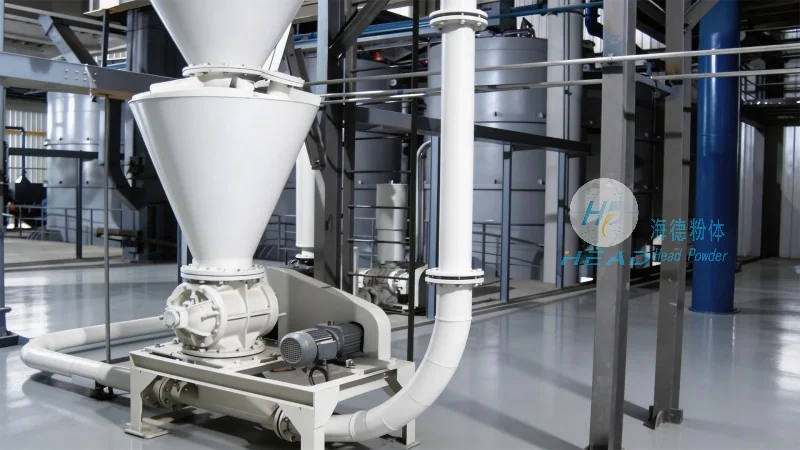
1. **Preparation and Setup**: Before starting the operation, the system is prepared by checking the air pressure, ensuring the pipeline is clear of obstructions, and verifying the proper functioning of the blower and other components. The fly ash silo is also checked to confirm that it contains sufficient material for conveying.
2. **Air Compression and Flow Initiation**: The blower is activated, generating a high-pressure air stream. This air is introduced into the pipeline, creating a pressure differential that draws fly ash from the silo. The air flow rate is carefully controlled to match the material flow rate, preventing blockages or excessive pressure buildup.
3. **Material Conveying**: As the air stream moves through the pipeline, it carries the fly ash particles along. The pipeline design, including bends and fittings, is optimized to minimize pressure loss and maintain a consistent flow. The system may include additional components such as expansion joints or vibration dampers to handle any mechanical stresses.
4. **Separation and Discharge**: At the discharge point, the air and fly ash mixture enters a separation unit. The cyclone separator uses centrifugal force to separate the fly ash from the air. The separated fly ash is collected in a hopper or storage container, while the air is either filtered and recirculated or released to the environment, depending on the system design.
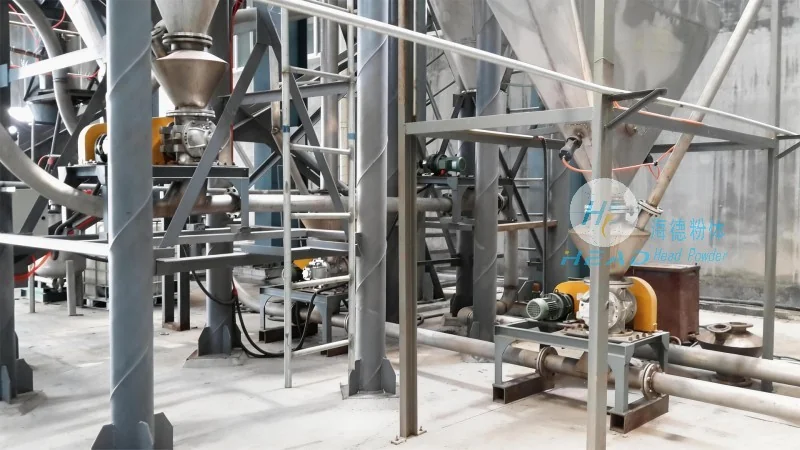
5. **System Shutdown and Maintenance**: Once the conveying operation is complete, the system is shut down by reducing the air pressure and stopping the blower. Regular maintenance is performed to check for wear and tear, clean the filters, and inspect the pipeline for any signs of blockage or damage. This maintenance schedule ensures the longevity and efficiency of the equipment.
Key Features and Benefits
HeadPowder's fly ash silo pneumatic conveying machines are equipped with several features that enhance their performance and reliability. These include:
- **High Efficiency**: The system minimizes material loss and ensures a consistent flow rate, reducing downtime and operational costs.
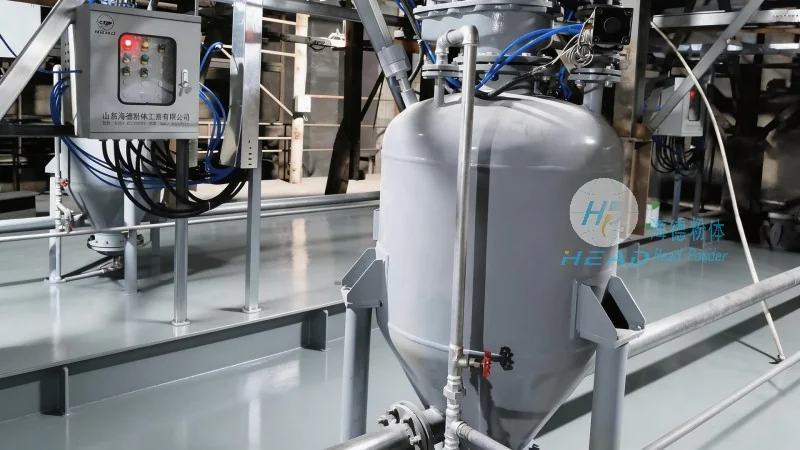
- **Low Maintenance**: The design incorporates durable components and easy-to-clean parts, reducing the need for frequent maintenance.
- **Versatility**: The equipment can handle various types of fly ash, including dry and wet mixtures, and can be customized to fit different silo sizes and capacities.
- **Safety Features**: The system includes safety mechanisms such as pressure relief valves and emergency shut-off switches to prevent accidents and ensure operator safety.
Conclusion
HeadPowder's fly ash silo pneumatic conveying machines represent a reliable and efficient solution for handling fly ash in industrial applications. By understanding the operation process and working principle, users can optimize the system's performance and ensure its longevity. With a commitment to quality and innovation, HeadPowder continues to provide advanced material handling solutions that meet the evolving needs of the energy and construction industries.