

Operation Process and Working Principle of Roots Blower Pneumatic Conveying Machine
Roots blower pneumatic conveying machines are widely used in various industrial sectors for efficient material handling. This article provides a detailed overview of the operation process and working principles of such systems, along with information about the manufacturer, Shandong HeadPowder Engineering Co., Ltd., located in China.
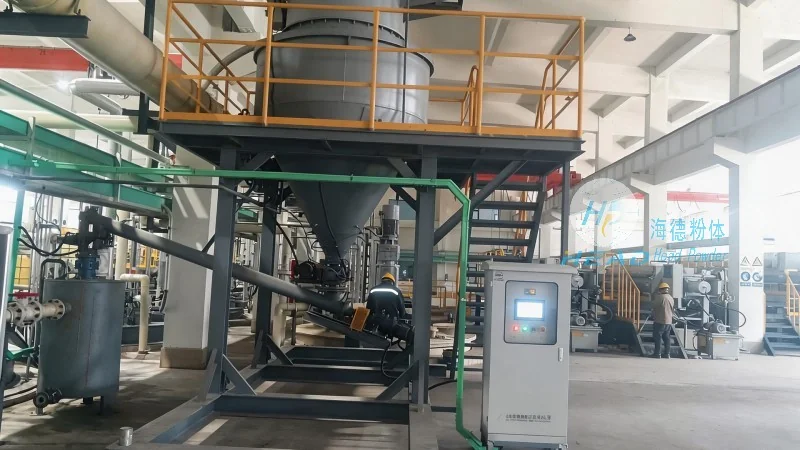
Introduction to Roots Blower Pneumatic Conveying Systems
Roots blower pneumatic conveying machines are essential equipment for transporting bulk materials over short to medium distances. These systems utilize the principle of air pressure to move materials through a pipeline network. The core component, the roots blower, generates the necessary airflow and pressure to create a vacuum or positive pressure environment that propels the material. The system typically consists of a blower, a hopper for material storage, a conveying line, and a discharge point. This technology is particularly effective for handling powders, granules, and other dry bulk materials, offering advantages such as low maintenance, high efficiency, and the ability to transport materials in a closed system, reducing dust and contamination.
Key Components of the Pneumatic Conveying System
The roots blower is the heart of the system, responsible for generating the airflow. It is a type of positive-displacement blower that uses two lobed rotors to compress and move air. The blower's design ensures consistent airflow, which is crucial for maintaining the material's flow rate and preventing blockages. The hopper is where the material is stored before being fed into the system. It is equipped with a feeder, often a rotary valve or a screw feeder, which controls the material's discharge rate. The conveying line is made of materials like stainless steel or PVC to withstand the pressure and prevent material degradation. The discharge point is where the material is released from the system, typically into a storage bin or processing equipment.
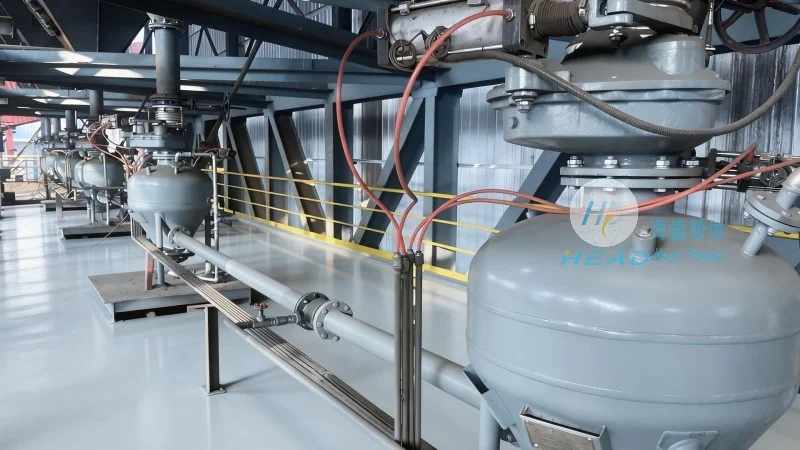
Operation Process of the Roots Blower Pneumatic Conveying Machine
The operation process of a roots blower pneumatic conveying machine involves several steps. First, the material is loaded into the hopper. The feeder then regulates the material's flow into the conveying line. The roots blower starts and generates the required airflow, creating a pressure differential between the inlet and outlet of the system. As the air flows through the conveying line, it carries the material particles along with it. The material is transported to the discharge point, where the air is separated from the material, often using a cyclone or a filter. The separated air is then returned to the blower or released to the atmosphere. The entire process is automated, with controls that adjust the blower speed and feeder rate to maintain the desired material flow rate and system pressure.
Working Principle of the Roots Blower
The working principle of the roots blower is based on the positive-displacement mechanism. The two lobed rotors rotate in opposite directions, creating a series of air pockets that move along the blower casing. As the rotors turn, these pockets are compressed and then released, moving the air forward. The roots blower can operate in both vacuum and pressure modes. In vacuum mode, it creates a negative pressure at the inlet, drawing air and material into the system. In pressure mode, it creates a positive pressure at the outlet, pushing air and material out. The blower's speed directly affects the airflow rate, which in turn determines the material's conveying rate. The efficiency of the roots blower is high, with minimal energy loss, making it suitable for continuous operation in industrial applications.
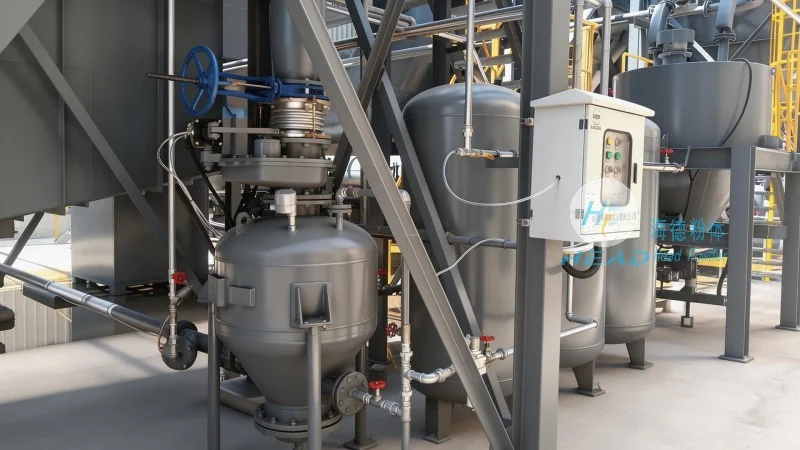
Advantages of Roots Blower Pneumatic Conveying Machines
Roots blower pneumatic conveying machines offer several advantages over other material handling methods. They provide a closed system, which helps in controlling dust and preventing material contamination. The system is relatively simple in design, with fewer moving parts compared to other conveying systems, leading to lower maintenance costs. The roots blower's ability to handle high volumes of material efficiently makes it ideal for large-scale industrial operations. Additionally, the system can be easily integrated with other processing equipment, such as mixers or classifiers, to form a complete material handling line. The flexibility of the system allows for adjustments in material flow rate and conveying distance, making it adaptable to various industrial needs.
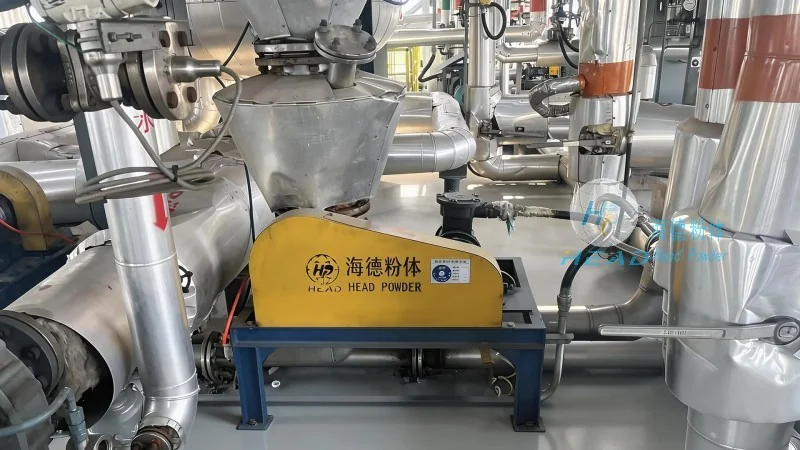
Applications of Roots Blower Pneumatic Conveying Systems
Roots blower pneumatic conveying machines are used in a wide range of industries. In the food and pharmaceutical industries, they are used to transport powders and granules, ensuring hygiene and preventing contamination. In the chemical industry, they handle various powders and chemicals, including those that are hazardous or require special handling. The mining industry uses these systems to transport ore and other minerals from processing plants to storage facilities. The cement industry utilizes roots blower systems for transporting raw materials and finished products. Other applications include the handling of agricultural products, such as grains and seeds, and in the plastics industry for transporting resin and additives.
About Shandong HeadPowder Engineering Co., Ltd.
Shandong HeadPowder Engineering Co., Ltd. is a leading manufacturer of roots blower pneumatic conveying machines and related equipment. The company is headquartered in Shandong, China, and has a strong reputation for producing high-quality, reliable, and efficient material handling systems. With years of experience in the industry, HeadPowder has developed advanced technologies and designs that meet the diverse needs of its customers. The company's products are known for their durability, low maintenance requirements, and excellent performance in various industrial applications. HeadPowder provides comprehensive solutions, including system design, manufacturing, installation, and after-sales service, to ensure that customers get the best possible service and support. The company's commitment to quality and customer satisfaction has made it a trusted partner for many industrial companies worldwide.