

Operation Process and Working Principle of Tonne Bag Stainless Steel Pneumatic Conveying Machine
For industrial applications that require efficient and hygienic material handling, stainless steel pneumatic conveying machines designed for tonne bags have become a critical solution. These systems are engineered to handle bulk materials from large bags, ensuring a seamless transition from storage to processing or packaging stages. The operation of such equipment involves a combination of mechanical and pneumatic components working in harmony to achieve reliable material transport. Understanding the operation process and underlying working principles is essential for users to maximize efficiency and maintain equipment longevity. Manufactured by Shandong HeadPowder Engineering Co., Ltd., a leading provider of industrial material handling solutions, these systems combine advanced engineering with robust construction to meet the demands of modern industries.
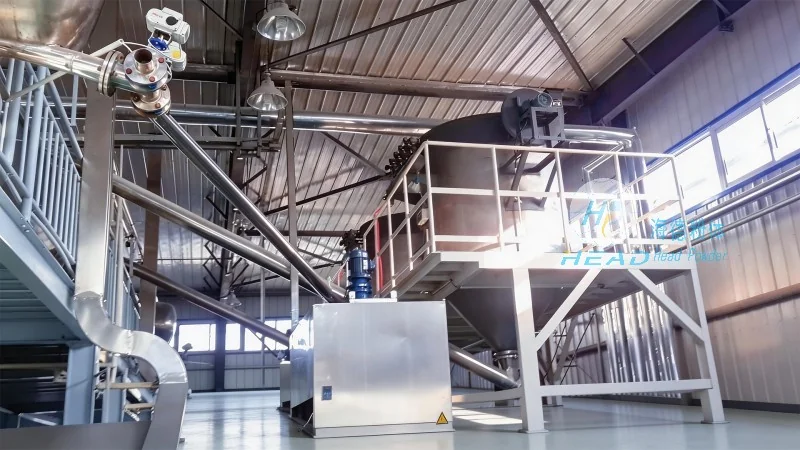
Key Components and Their Roles in the System
The stainless steel pneumatic conveying machine for tonne bags typically consists of several key components, each playing a vital role in the overall operation. The primary components include the hopper, which serves as the material inlet, often equipped with a discharge valve to control the flow of material. The air compressor or blower generates the necessary air pressure to move the material through the system. A filter and separator are integrated to remove dust and separate the conveyed material from the air stream, ensuring clean air release and preventing contamination. The pipeline network connects these components, guiding the material from the hopper to the discharge point, such as a silo or processing unit. The control system, often with a user-friendly interface, manages the operation, including air pressure, material flow rate, and system safety features.
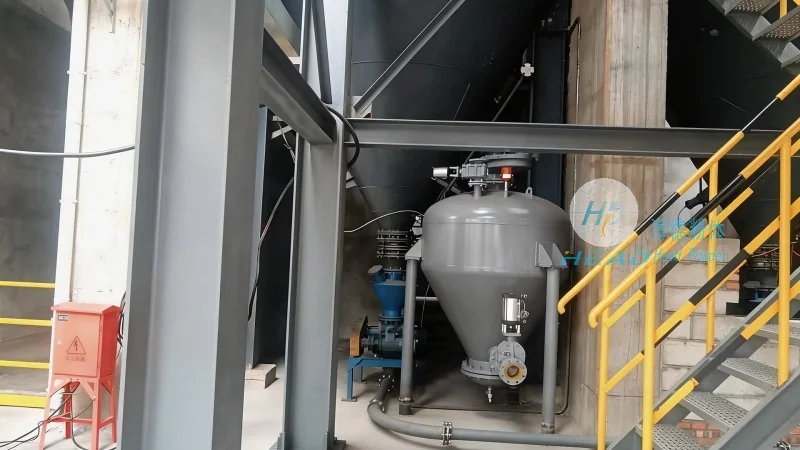
Operation Process: Step-by-Step Breakdown
The operation of a tonne bag stainless steel pneumatic conveying machine follows a systematic process, starting with the preparation of the material and ending with its delivery to the target location. The first step involves opening the tonne bag and allowing the material to fall into the hopper. The discharge valve is then opened to allow the material to enter the pipeline. Simultaneously, the air compressor is activated, generating the required air pressure. The air and material mixture is then conveyed through the pipeline, with the air providing the force to move the material. As the mixture travels, the separator and filter work to remove any fine particles or moisture, ensuring the material remains clean. Upon reaching the discharge point, the material is released, and the air is filtered and vented. The system then returns to standby mode until the next cycle begins. This process is repeated as needed, providing a continuous flow of material from the tonne bag to the processing area.
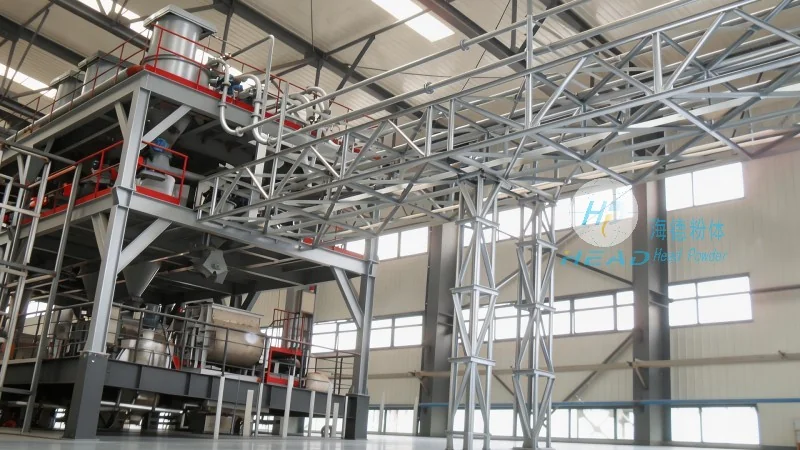
Working Principle: How the System Transfers Material
The working principle of the stainless steel pneumatic conveying machine for tonne bags is based on the principles of fluid dynamics and particle transport. The system operates by creating a pressure differential between the inlet and outlet of the pipeline. The air compressor generates a high-pressure air stream, which entrains the material particles from the hopper. As the air flows through the pipeline, it carries the material along with it, forming a dense phase or dilute phase flow, depending on the system design and material characteristics. The stainless steel construction ensures durability and resistance to corrosion, making it suitable for handling a wide range of materials, including powders, granules, and even some bulk solids. The system can be configured as either an aspirating (suction) or pressurizing (blowing) system, with the choice depending on the application requirements and the distance the material needs to be transported. The control system monitors the pressure, flow rate, and other parameters to maintain optimal performance and prevent system failures.
Advantages of Stainless Steel Construction
One of the most significant advantages of using stainless steel in the construction of pneumatic conveying machines for tonne bags is its corrosion resistance. Stainless steel is highly resistant to rust and chemical degradation, which is crucial for industries dealing with materials that may be acidic, alkaline, or contain moisture. This durability ensures that the equipment maintains its structural integrity over long periods, reducing maintenance costs and downtime. Additionally, stainless steel is non-magnetic and easy to clean, making it ideal for hygienic applications, such as food processing or pharmaceutical manufacturing. The smooth surface of stainless steel also minimizes material buildup and reduces the risk of contamination, which is critical for industries where product purity is paramount. Furthermore, stainless steel is strong and lightweight, allowing for the design of compact and efficient systems that can be easily integrated into existing production lines.
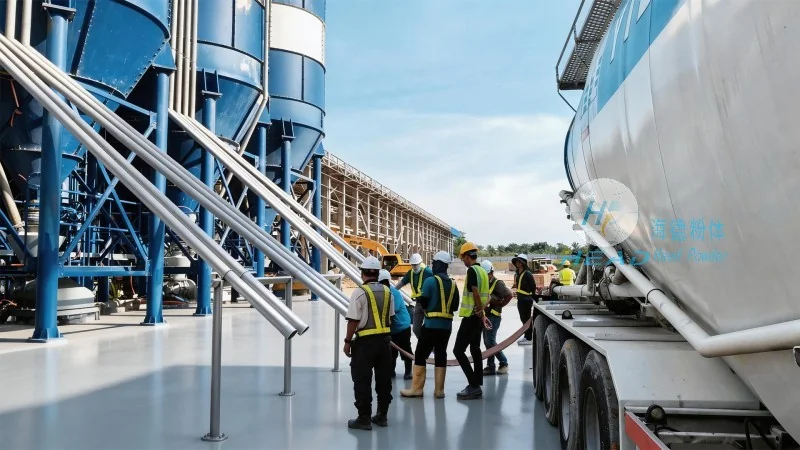
Applications and Industries Served
Stainless steel pneumatic conveying machines for tonne bags are widely used across various industries due to their versatility and efficiency. In the chemical industry, these systems are used to handle powders and granules, such as pigments, polymers, and catalysts. The stainless steel construction ensures that the equipment can withstand the corrosive nature of these materials. In the food and beverage industry, the hygienic design of the system is essential for handling ingredients like flour, sugar, and spices, where contamination must be avoided. The pharmaceutical industry also benefits from these systems, as they can handle active pharmaceutical ingredients (APIs) and other sensitive materials without compromising purity. Additionally, in the agricultural sector, the equipment is used to transport bulk agricultural products, such as grains and seeds, from storage bags to processing facilities. The ability to handle large volumes of material from tonne bags makes these systems ideal for industries that require high throughput and reliable material handling.