

Operation Process and Working Principle of Magnesia Sand Pneumatic Conveying Equipment
This equipment is a specialized system designed for the efficient transport of magnesia sand, a critical material in various industrial applications. The system integrates advanced pneumatic technology to handle the material with precision and minimal loss. HeadPowder, a leading manufacturer based in Shandong, China, has developed this equipment to meet the demands of modern industrial processes, ensuring reliable and efficient material handling solutions.
Key Components and Their Functions
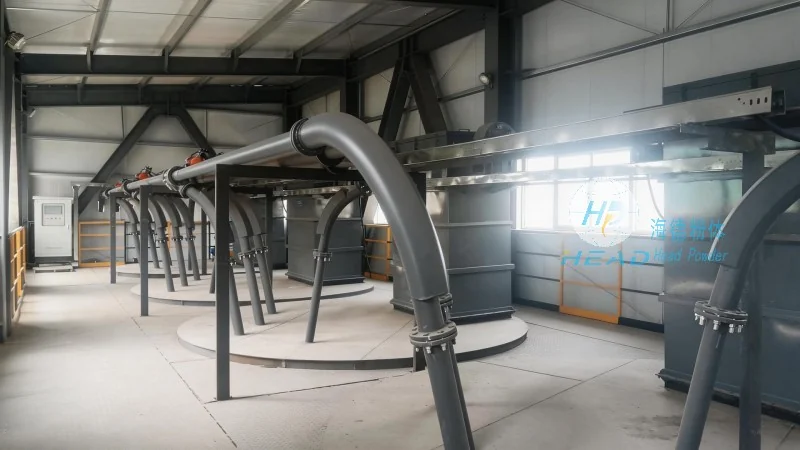
The magnesia sand pneumatic conveyor consists of several key components that work in harmony to achieve effective material transport. These include the hopper for material storage, the air compressor that generates the necessary air pressure, the conveyor pipe system that transports the material, and the control system for monitoring and regulating the operation. Each component plays a vital role in maintaining the system's efficiency and safety.
The Operation Process of the Pneumatic Conveyor
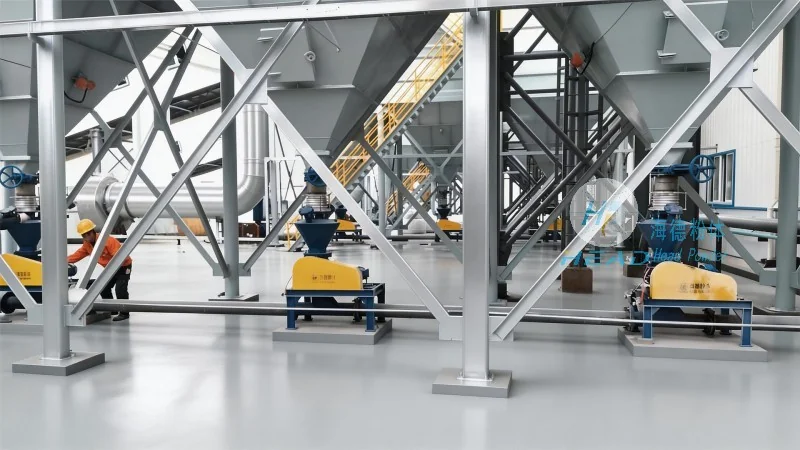
The operation process begins with the loading of magnesia sand into the hopper. The air compressor then starts, creating a flow of air through the conveyor pipe. As the air moves, it lifts and transports the sand particles through the pipe network. The material is discharged at the destination point, where it is collected for further processing. This process is typically automated, with the control system ensuring consistent and controlled material flow.
Working Principle Explained
The working principle of the pneumatic conveyor relies on the principles of fluid dynamics and air pressure. The air compressor generates a high-pressure air stream that creates a vacuum or pressure differential within the conveyor pipe. This differential force pulls the magnesia sand particles into the air stream, allowing them to be transported over long distances without the need for mechanical components like belts or chains. The system's efficiency is enhanced by the design of the hopper and the pipe layout, which minimizes material degradation and loss.
Advantages of Using Magnesia Sand Pneumatic Conveyors
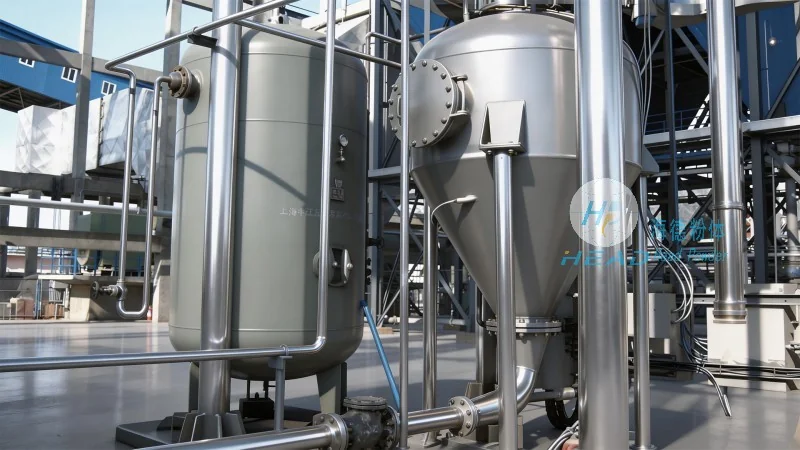
There are several advantages to using magnesia sand pneumatic conveyors in industrial settings. Firstly, they offer a dust-free and clean transport method, which is crucial for maintaining a safe and healthy working environment. Secondly, the system is highly efficient, with minimal material loss and low maintenance requirements. Additionally, the equipment can handle abrasive materials like magnesia sand without causing wear and tear, extending the lifespan of the components. The flexibility of the system allows for easy integration into existing production lines, making it a cost-effective solution for material handling.
Application Scenarios and Industry Use Cases
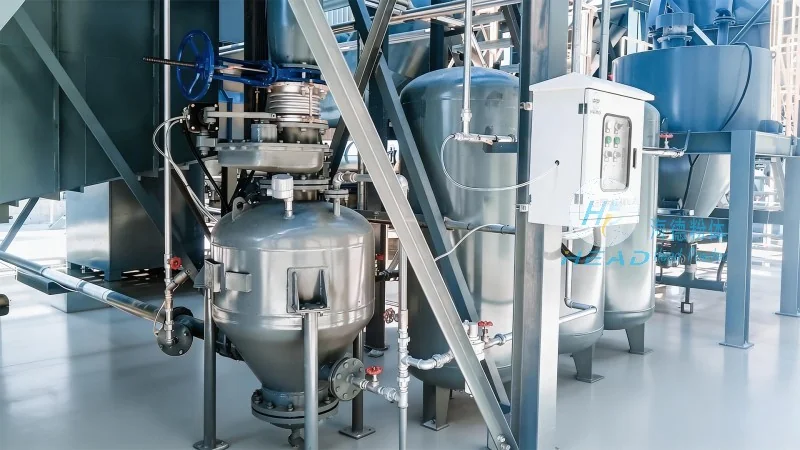
Magnesia sand pneumatic conveyors are widely used in various industries, including refractory manufacturing, foundries, and chemical processing. In refractory production, the equipment is used to transport magnesia sand to mixing and molding stations, ensuring consistent material quality. In foundries, it helps in moving sand for casting processes, improving production efficiency. The system is also used in chemical plants for transporting raw materials and finished products, where its ability to handle abrasive and dusty materials is particularly valuable.
Maintenance and Operational Tips for Optimal Performance
To ensure the long-term performance and reliability of the magnesia sand pneumatic conveyor, regular maintenance is essential. This includes checking the air compressor for proper operation, inspecting the conveyor pipes for blockages or wear, and cleaning the hopper and filter systems. Operational tips include starting the system with the hopper empty to avoid airlock issues, and monitoring the air pressure to maintain consistent material flow. By following these guidelines, users can maximize the equipment's lifespan and maintain its efficiency.