

Operation Process and Working Principle of Polycrystalline Silicon Pneumatic Conveying Equipment
Polycrystalline silicon is a critical material in the photovoltaic industry, and efficient material handling is essential for its production and processing. Pneumatic conveying systems offer a reliable and effective solution for transporting polycrystalline silicon powder and other fine materials. This article explores the operation process and working principle of a polycrystalline silicon pneumatic conveying machine, highlighting its key components, operational steps, and the technical advantages it provides.
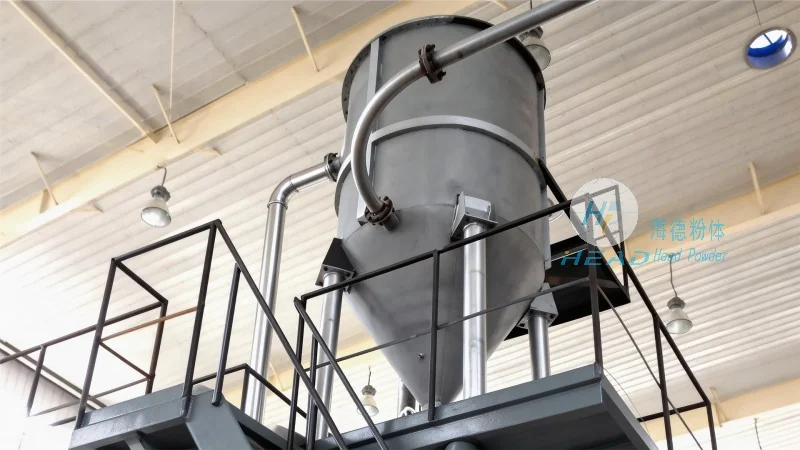
Key Components of the Pneumatic Conveying System
The polycrystalline silicon pneumatic conveying machine typically consists of several core components that work in tandem to ensure smooth material transport. These components include the material hopper, air compressor, conveying pipeline, dust collector, and control system. Each component plays a vital role in the overall functionality of the system.
The material hopper is designed to store the polycrystalline silicon powder, ensuring a consistent feed rate to the conveying system. It is equipped with a feeding mechanism, such as a rotary valve or screw feeder, which regulates the flow of material into the pipeline. The air compressor generates the necessary air pressure to move the material through the conveying line. The conveying pipeline, often made of stainless steel or other corrosion-resistant materials, is designed to withstand the abrasive nature of the polycrystalline silicon powder. The dust collector is integrated to capture any airborne particles, ensuring environmental compliance and product purity. The control system monitors and regulates the operation of all components, maintaining optimal performance and safety.
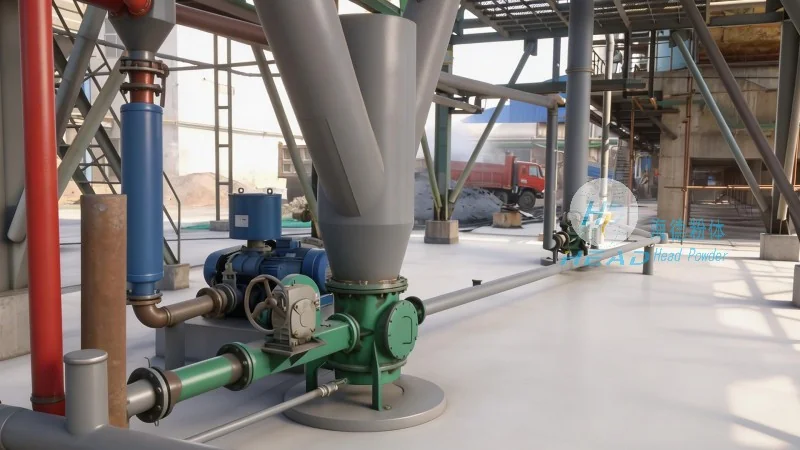
Working Principle of the Pneumatic Conveying Process
The operation of the polycrystalline silicon pneumatic conveying machine follows a systematic process that involves several stages. The process begins with the material being loaded into the hopper. The feeding mechanism then controls the discharge of the polycrystalline silicon powder into the conveying pipeline. Simultaneously, the air compressor supplies compressed air to the pipeline. As the air flows through the pipeline, it creates a pressure differential that propels the material particles forward. The material is carried in the form of a dense phase or dilute phase, depending on the system design and operational parameters. The dense phase conveying is preferred for polycrystalline silicon due to its lower air consumption and reduced particle degradation.
During the conveying process, the material is continuously mixed with the air, ensuring uniform transport. The pipeline may include bends and fittings, which are designed to minimize pressure loss and maintain the material's integrity. The dust collector at the end of the pipeline captures any fine particles that may have escaped, preventing contamination and ensuring compliance with environmental regulations. The control system continuously monitors the pressure, flow rate, and material level, adjusting the air compressor output and feeding rate as needed to maintain stable operation.
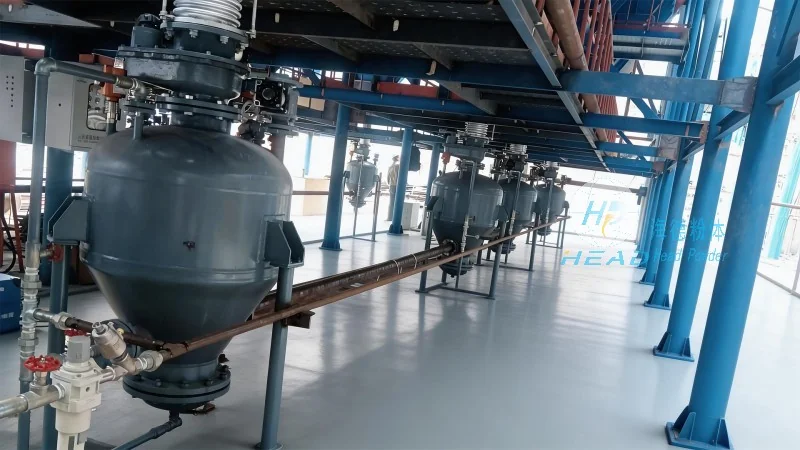
Operation Process Steps
The operation of the polycrystalline silicon pneumatic conveying machine can be broken down into several key steps. First, the system is prepared by checking all components for proper functioning and ensuring the material hopper is filled with polycrystalline silicon powder. Next, the air compressor is started, and the feeding mechanism is activated to begin material discharge. The control system adjusts the air pressure and flow rate to achieve the desired conveying velocity. As the material is transported through the pipeline, the pressure and flow are monitored to ensure optimal performance. The system continues to operate until the material hopper is empty or the conveying task is complete. Finally, the system is shut down in an orderly manner, with the air compressor and feeding mechanism turned off, and the pipeline depressurized to prevent material backflow.
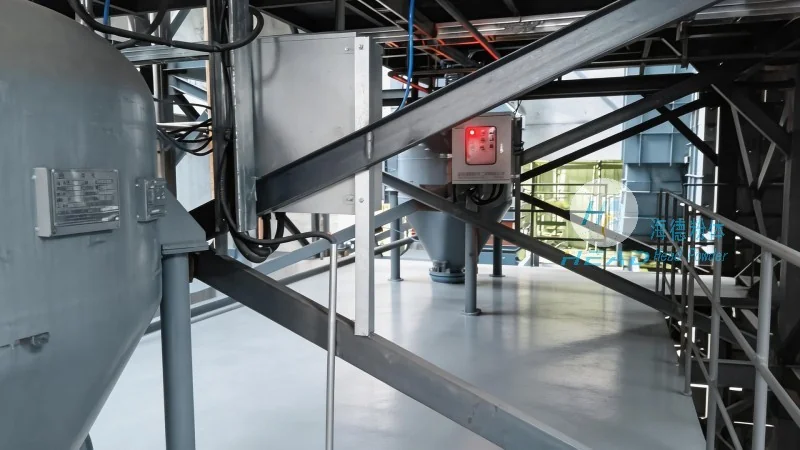
Technical Advantages and Applications
The polycrystalline silicon pneumatic conveying machine offers several technical advantages that make it suitable for industrial applications. One of the primary advantages is its ability to transport fine materials like polycrystalline silicon powder over long distances without the need for mechanical components like belts or buckets. This reduces maintenance costs and increases operational reliability. The system is also highly flexible, allowing for changes in material flow rates and conveying distances by adjusting the air pressure and feeding mechanism. Additionally, the pneumatic conveying system provides a clean and dust-free environment, which is crucial for maintaining product purity in the photovoltaic industry.
Shandong HeadPowder Engineering Co., Ltd., a leading manufacturer of material handling equipment, specializes in designing and manufacturing high-quality polycrystalline silicon pneumatic conveying systems. With years of experience in the industry, the company has developed advanced solutions that meet the specific needs of the photovoltaic sector. The company's facilities are located in Shandong, China, where it employs a team of skilled engineers and technicians dedicated to innovation and quality. Shandong HeadPowder Engineering Co., Ltd. is committed to providing reliable and efficient material handling solutions that enhance productivity and reduce operational costs for its clients.