

Methods for Paddy Grain Particle Conveying
Efficient paddy grain conveying is crucial in agricultural processing and storage systems. As a key component of rice production, the proper handling of paddy grains from harvesting to processing requires reliable and effective conveying solutions. This article explores various methods used for paddy grain particle conveying, highlighting the technologies and applications that ensure optimal performance in grain handling operations.
Gravity Conveying Systems
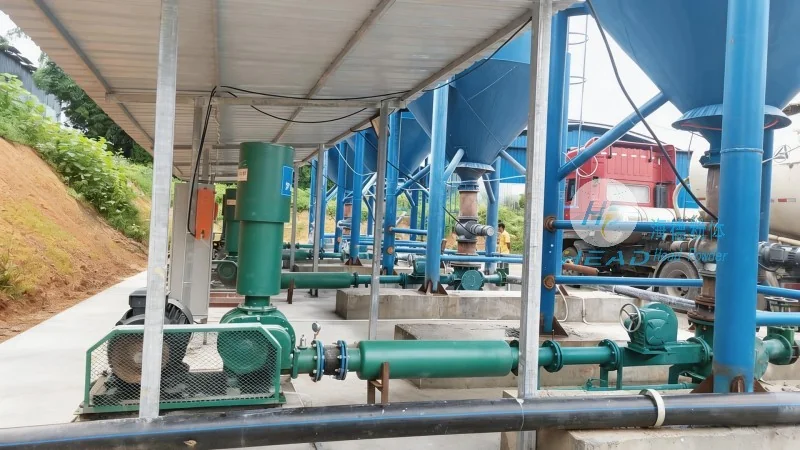
Gravity conveying systems utilize the natural force of gravity to move paddy grains from one location to another. These systems are typically designed with sloped chutes or hoppers that allow grains to flow downward under the influence of gravity. The design of gravity conveyors is tailored to the specific characteristics of paddy grains, such as size, moisture content, and density, to ensure smooth and unobstructed flow. In many agricultural facilities, gravity conveyors are used for initial sorting and preliminary transport of paddy grains from fields or storage bins to processing equipment. The simplicity and low maintenance requirements of gravity conveying make it a popular choice for many rice processing operations.
Mechanical Conveying Methods
Mechanical conveying systems employ mechanical components to transport paddy grains. These methods include belt conveyors, screw conveyors, and bucket elevators, each offering unique advantages depending on the application. Belt conveyors are widely used for horizontal or slightly inclined transport of paddy grains, providing a continuous and efficient flow. Screw conveyors, also known as augers, are effective for vertical or inclined transport, using a rotating screw to push grains forward. Bucket elevators are particularly suitable for vertical lifting of paddy grains, often used in combination with other conveying systems to move grains between different levels in a processing facility. The choice of mechanical conveyor depends on factors such as the grain's moisture level, size, and the required conveying distance, ensuring that the selected system can handle the specific demands of the operation.
Air Conveying Techniques
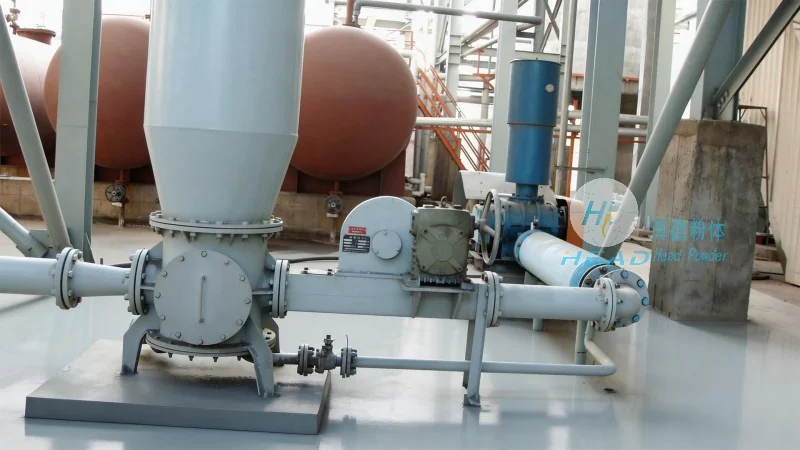
Air conveying, or pneumatic conveying, uses compressed air to transport paddy grains through a pipeline system. This method is particularly effective for handling fine or dusty paddy grains, as it minimizes the risk of grain breakage and contamination. Air conveyors can be classified into two main types: dilute-phase and dense-phase systems. Dilute-phase conveying uses a high volume of air to move grains in a relatively low concentration, suitable for short to medium distances. Dense-phase conveying, on the other hand, uses a lower volume of air with a higher grain concentration, ideal for longer distances and more efficient transport. Air conveying systems are often integrated with other processing equipment, such as cleaners and sorters, to create a seamless flow of paddy grains through the entire processing line. The flexibility and adaptability of air conveying make it a valuable option for modern rice processing facilities.
Hybrid Conveying Solutions
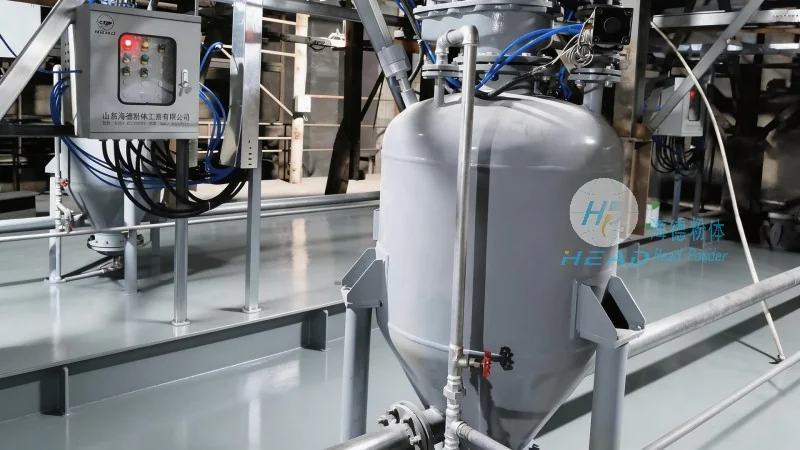
Hybrid conveying systems combine multiple conveying methods to address complex grain handling requirements. For example, a facility might use a gravity conveyor to transport paddy grains from a storage bin to a belt conveyor, which then feeds into an air conveyor for further processing. This integrated approach allows for efficient movement of grains through various stages of the processing operation, optimizing the overall workflow and reducing downtime. Hybrid systems are particularly beneficial in large-scale rice processing plants where different types of conveying are required for different parts of the process. By combining the advantages of gravity, mechanical, and air conveying, hybrid systems provide a versatile and reliable solution for paddy grain transport.
Key Considerations for Paddy Grain Conveying
When selecting a paddy grain conveying method, several factors must be considered to ensure optimal performance and efficiency. The first consideration is the grain's physical properties, including size, shape, moisture content, and density, as these characteristics affect the flow behavior and the suitability of different conveying systems. The second factor is the distance and elevation changes required for grain transport, as this determines whether a gravity, mechanical, or air system is more appropriate. Additionally, the capacity and speed of the conveying system must match the production requirements of the rice processing facility. Maintenance and operational costs are also important considerations, as different systems have varying levels of complexity and maintenance needs. By carefully evaluating these factors, rice processing facilities can choose the most suitable conveying method to enhance their operational efficiency and ensure consistent grain quality.