

Which Methods Are Available for Powder Coating Transport?
When it comes to the efficient and reliable transport of powder coatings, selecting the right method is crucial for maintaining product quality and operational efficiency. Powder coating transport systems are designed to move dry powder materials from storage to processing equipment, and understanding the available options can help businesses optimize their production lines. This article explores various powder coating transport methods, highlighting their applications and benefits, with a focus on the expertise of Shandong HeadPowder Engineering Co., Ltd. from China.
Understanding the Importance of Powder Coating Transport
Powder coatings are widely used in industrial applications due to their durability, corrosion resistance, and ease of application. However, their handling requires specialized equipment to prevent agglomeration and ensure consistent particle size distribution. Effective transport systems are essential to maintain these properties throughout the production process. The choice of transport method depends on factors such as material characteristics, production volume, and the layout of the facility. By selecting an appropriate system, manufacturers can minimize material loss, reduce downtime, and enhance overall productivity.
Common Powder Coating Transport Methods
Several methods are commonly employed for powder coating transport, each with its own advantages and suitable applications. The primary options include pneumatic conveying, screw conveyors, vibratory conveyors, and bucket elevators. Each method operates on different principles, making them suitable for various production scenarios.
Pneumatic Conveying Systems
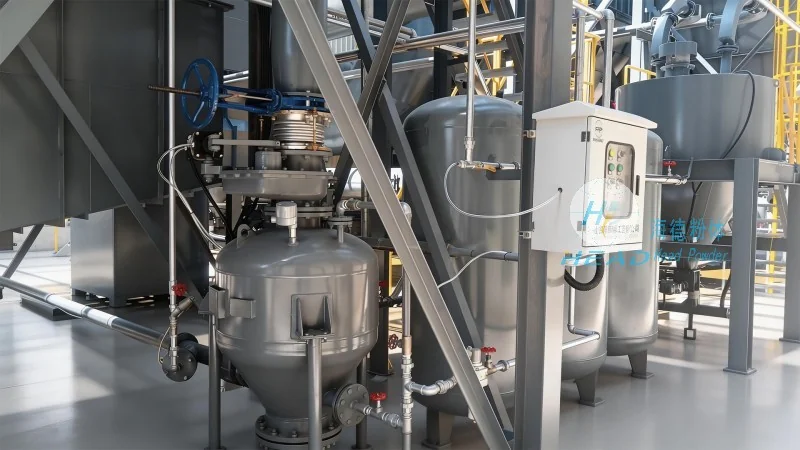
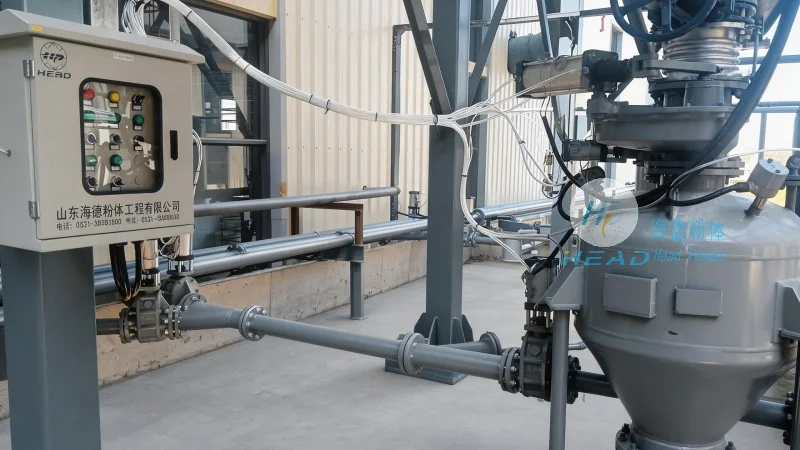
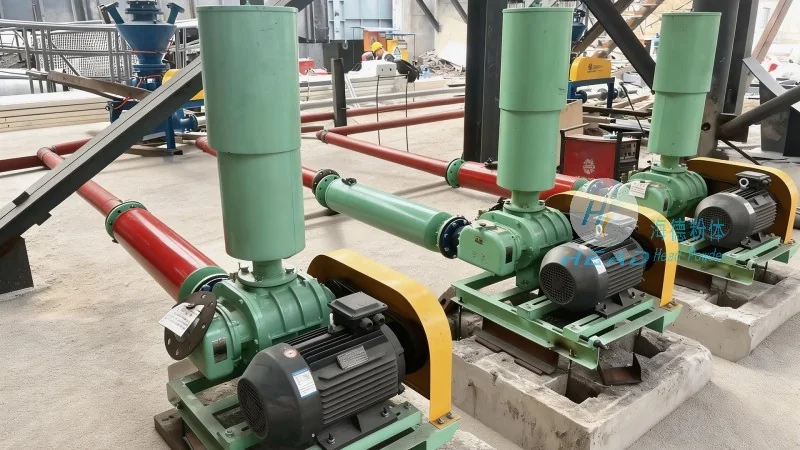
Pneumatic conveying, also known as air conveying, is a popular method for transporting powder coatings due to its ability to handle fine particles and long distances. This system uses compressed air to move material through a pipeline. There are two main types: pressure and vacuum systems. Pressure systems use positive pressure to push material forward, while vacuum systems use negative pressure to pull material. Pneumatic conveying is ideal for applications requiring high material flow rates and minimal product degradation. It is commonly used in large-scale production facilities where the distance between the powder storage and processing equipment is significant.
Screw Conveyors for Powder Coating Transport
Screw conveyors, also known as auger conveyors, are mechanical devices that use a rotating screw to move powder materials. The screw is enclosed in a tube or trough, and as it rotates, it pushes the material forward. Screw conveyors are suitable for horizontal or slightly inclined transport and are effective for handling bulk quantities of powder. They are often used in applications where the material needs to be elevated or moved over short to medium distances. One of the key advantages of screw conveyors is their simplicity and low maintenance requirements. However, they may not be suitable for very fine or abrasive powders, as they can cause wear and tear on the screw and housing.
Vibratory Conveyors in Powder Coating Handling
Vibratory conveyors utilize vibration to move powder coatings along a conveyor bed. The system consists of a trough that vibrates at a specific frequency, causing the material to move forward. This method is particularly effective for handling sticky or cohesive powders, as the vibration helps prevent material buildup and ensures smooth transport. Vibratory conveyors are commonly used in applications where the material needs to be transported over longer distances or at higher elevations. They are also suitable for materials that are prone to segregation or agglomeration. The design of vibratory conveyors allows for easy cleaning and maintenance, making them a practical choice for many industrial settings.
Bucket Elevators for Vertical Transport
For vertical transport of powder coatings, bucket elevators are a reliable option. These systems use a series of buckets attached to a chain or belt, which moves vertically to lift the material. Bucket elevators are capable of handling large volumes of material and can transport it over significant vertical distances. They are commonly used in facilities where the powder storage is located at a lower level and the processing equipment is at a higher level. One of the main advantages of bucket elevators is their ability to handle abrasive or heavy materials without excessive wear. However, they require regular maintenance to ensure smooth operation and prevent material spillage.
Choosing the Right Transport Method for Your Business
Selecting the appropriate powder coating transport method requires careful consideration of several factors. The first step is to evaluate the material characteristics, such as particle size, density, and moisture content. Fine powders may require pneumatic conveying to prevent blockages, while bulkier materials might be better suited for screw or vibratory conveyors. The production volume and the distance between the storage and processing areas also play a crucial role in the decision-making process. Additionally, the facility layout and available space should be considered when choosing a transport system. Consulting with experts, such as Shandong HeadPowder Engineering Co., Ltd., can provide valuable insights into the most suitable method for specific applications.
Conclusion and Expertise from Shandong HeadPowder Engineering Co., Ltd.
Efficient powder coating transport is essential for maintaining product quality and optimizing production efficiency. The methods discussed above offer various solutions tailored to different industrial needs. Whether it's pneumatic conveying for long-distance transport, screw conveyors for bulk handling, or vibratory systems for sticky materials, each method has its unique advantages. For businesses seeking reliable and customized powder coating transport solutions, Shandong HeadPowder Engineering Co., Ltd. from China provides expert guidance and tailored systems. With their experience in the industry, they can help manufacturers select and implement the most appropriate transport method to meet their specific requirements and enhance overall operational performance.