

Operation Process and Working Principle of Chocolate Powder Conveying Line
The chocolate powder conveying line represents a sophisticated industrial solution tailored to the specific demands of the confectionery sector. As a critical component in chocolate production facilities, this system is engineered to handle the delicate and often hygroscopic nature of chocolate powder, ensuring that the material is transported efficiently from storage to processing stages without compromising quality or integrity. The primary objective of such a line is to maintain a consistent flow of chocolate powder, minimize the risk of product degradation, and enhance overall operational efficiency. By integrating advanced materials handling technologies, these systems address the unique challenges posed by chocolate powder, which can be prone to caking, clumping, and moisture absorption if not managed properly.
Key Components and Their Roles
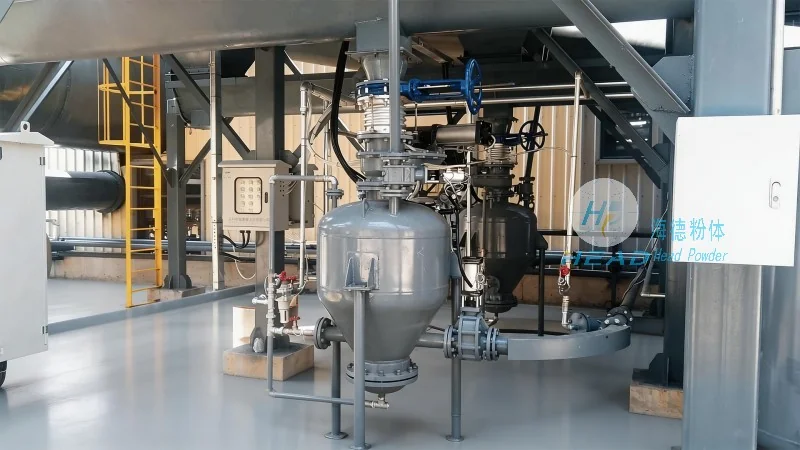
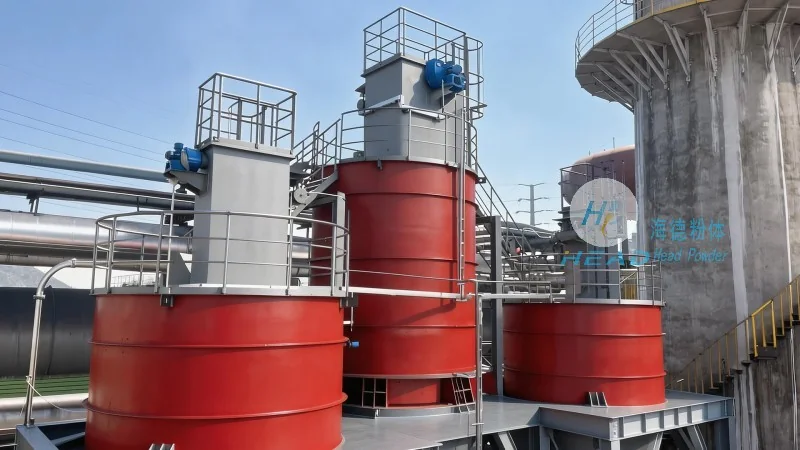
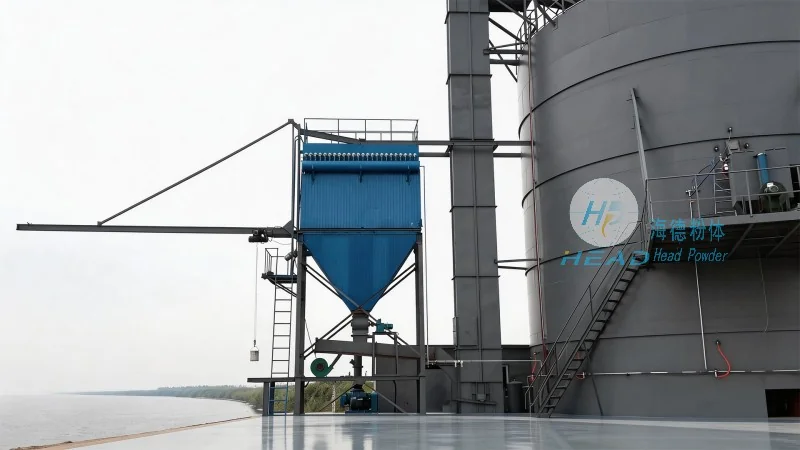
A well-designed chocolate powder conveying line comprises several interdependent components, each contributing to the system's functionality and reliability. The initial stage involves a large-capacity hopper, which serves as the primary storage unit for chocolate powder. This hopper is constructed with a sloped bottom and a discharge valve to facilitate the controlled release of material into the conveyor system. The hopper's design minimizes the risk of material bridging or arching, common issues in powders with high moisture content or fine particle sizes. Following the hopper is the conveyor system, which can be either mechanical (such as a screw or belt conveyor) or pneumatic (air-driven). The mechanical conveyor uses rotational force to move the powder, while the pneumatic system employs compressed air to create a pressure differential that propels the material forward. A critical component is the control panel, which monitors and regulates parameters such as speed, pressure, and flow rate. This panel allows operators to adjust settings in real-time, ensuring optimal performance and preventing system overload. Additionally, a dust collection system is integrated to capture airborne particles, maintaining a clean and safe working environment and complying with industrial air quality standards.
The Operation Process of the Chocolate Powder Conveying Line
The operation of a chocolate powder conveying line begins with the loading of chocolate powder into the hopper. The powder is typically fed into the hopper via a bulk loading system, ensuring a steady supply of material. Once the hopper is filled, the discharge valve opens, allowing the chocolate powder to flow into the conveyor system. The conveyor then transports the powder to the processing area, such as a mixing or blending unit. The system maintains a consistent flow rate by adjusting the speed of the conveyor or the pressure in the pneumatic system. The control panel continuously monitors the system's performance, providing real-time feedback on flow rate, pressure, and temperature. If any parameter deviates from the set point, the system automatically adjusts to restore optimal conditions. This closed-loop control ensures that the chocolate powder is delivered to the processing unit in a controlled and uniform manner, preventing fluctuations that could affect product quality. The entire process is designed to be seamless, with minimal human intervention required, enhancing operational efficiency and reducing labor costs.
Working Principle and Technical Details
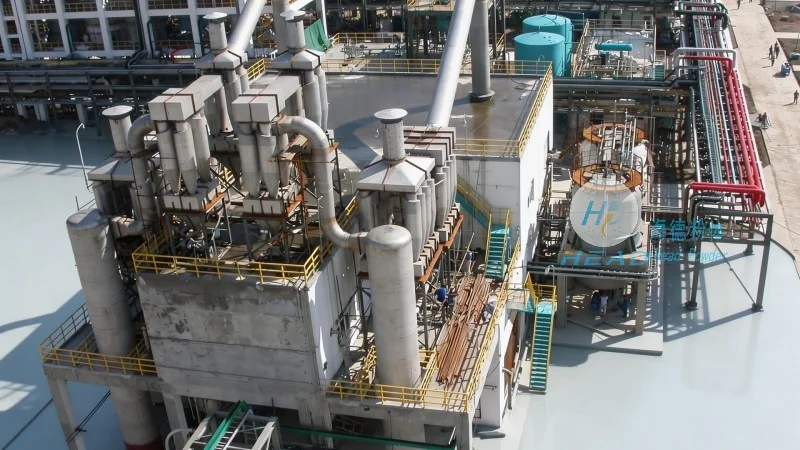
The working principle of a chocolate powder conveying line is rooted in the principles of fluid dynamics and mechanical engineering, tailored to the specific properties of chocolate powder. For mechanical conveyors, the screw or belt conveyor operates by creating a force that moves the powder forward. The screw conveyor, for instance, uses a rotating helical screw to push the material along the conveyor path. The pitch and speed of the screw are critical factors that determine the flow rate; a higher pitch or speed increases the material's velocity. The belt conveyor, on the other hand, uses a moving belt to transport the powder, with the belt's tension and speed controlling the flow. For pneumatic conveyors, the system relies on compressed air to create a pressure differential between the hopper and the processing unit. The air pressure propels the chocolate powder through the pipeline, with the velocity of the air determining the flow rate. The system is designed to handle the fine particle size of chocolate powder, which can range from 10 to 200 microns, ensuring that the material does not clog the conveyor or pipelines. Temperature control is also a key aspect, as chocolate powder can be sensitive to temperature changes, which may affect its moisture content and texture. The conveying line is equipped with temperature sensors and insulation to maintain a stable temperature, preventing moisture absorption and caking.