

Operation Process and Working Principle of Quantitative Material Feeding and Conveying
Quantitative material feeding and conveying systems are essential components in various industrial applications, particularly in sectors that require precise control over material flow rates. These systems are designed to ensure consistent and accurate delivery of bulk materials, which is crucial for maintaining production efficiency and product quality. The operation process and working principle of such systems involve several key mechanisms that work in tandem to achieve the desired level of precision and reliability.
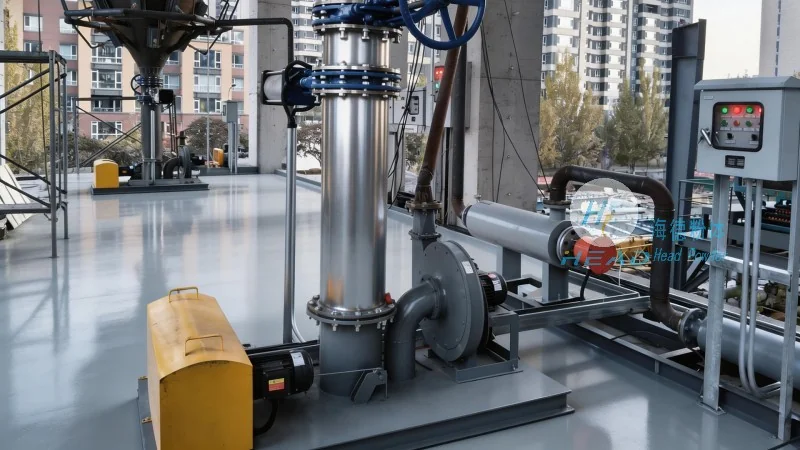
Overview of Quantitative Material Feeding Systems
At the core of quantitative material feeding systems is the ability to measure and control the flow of bulk materials. These systems typically consist of a hopper, a feeder mechanism, and a conveyor or discharge system. The hopper serves as a storage container for the material, while the feeder mechanism is responsible for regulating the material flow into the conveyor. The feeder can be of various types, including belt feeders, screw feeders, vibratory feeders, or rotary valves, each designed to handle different material characteristics and flow rates.
Key Components and Their Functions
The operation of a quantitative material feeding system relies on several critical components. The hopper is designed to hold a sufficient quantity of material to ensure continuous feeding, even during periods of low material supply. The feeder mechanism, which may be a screw conveyor, belt feeder, or vibratory feeder, is equipped with sensors or control devices that monitor the material flow rate. These sensors can be mechanical, such as load cells or flow meters, or electronic, such as ultrasonic sensors or radar level detectors. The control system processes the sensor data and adjusts the feeder speed or position to maintain the desired flow rate. The conveyor or discharge system then transports the material to the next stage of the production process, such as a mixer, blender, or processing unit.
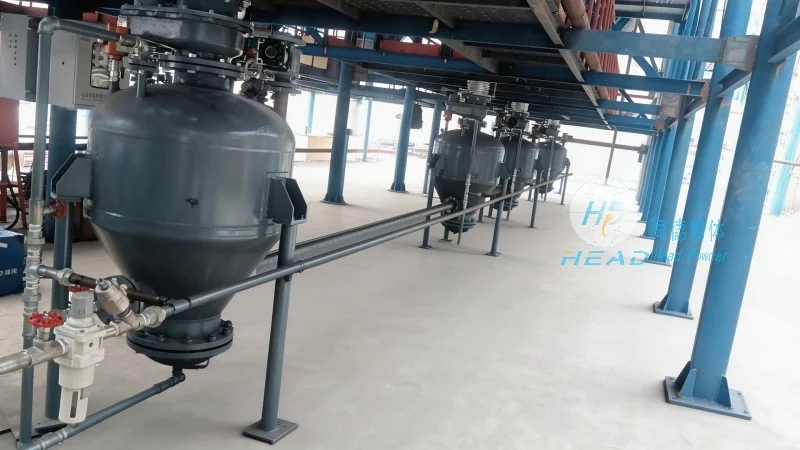
Working Principle of Quantitative Material Feeding and Conveying
The working principle of quantitative material feeding systems is based on the principle of mass flow or volumetric flow control. Mass flow systems measure the weight of material passing through the feeder, providing a direct and accurate measurement of the flow rate. Volumetric flow systems, on the other hand, measure the volume of material passing through the feeder, which is then converted to a flow rate based on the material's density. The choice between mass and volumetric flow depends on the specific application and the required level of precision. For example, mass flow systems are often used in applications where the material's density may vary, such as in the handling of powders or granules with different moisture content.
Operation Process: From Hopper to Discharge
The operation process of a quantitative material feeding system begins with the material being loaded into the hopper. The hopper is typically equipped with a level sensor to monitor the material level, ensuring that the feeder does not run out of material. Once the material level is sufficient, the feeder mechanism starts operating. The feeder's speed is adjusted based on the desired flow rate, which is set by the control system. As the material is fed into the conveyor, the flow rate is continuously monitored by the sensors. If the flow rate deviates from the set point, the control system adjusts the feeder speed or position to correct the deviation. This closed-loop control system ensures that the material is delivered at a consistent and accurate rate, regardless of variations in the material's properties or external factors such as vibration or temperature changes.
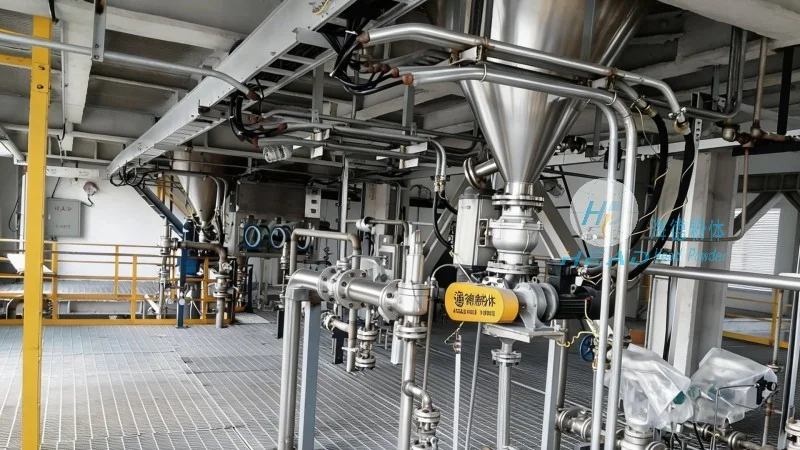
Applications and Benefits of Quantitative Material Feeding Systems
Quantitative material feeding and conveying systems are widely used in various industries, including pharmaceuticals, food processing, chemical manufacturing, and mining. These systems offer several benefits, including improved production efficiency, reduced material waste, and enhanced product quality. By ensuring precise control over material flow rates, these systems help to maintain consistent product characteristics, which is critical in industries where product uniformity is essential. Additionally, quantitative feeding systems can help to reduce labor costs by automating the material handling process and minimizing the need for manual intervention.
About Shandong HeadPowder Engineering Co., Ltd.
Shandong HeadPowder Engineering Co., Ltd., commonly known as HeadPowder, is a leading manufacturer of quantitative material feeding and conveying systems. The company specializes in providing high-quality, reliable, and efficient solutions for material handling applications. HeadPowder's products are designed to meet the specific needs of various industries, with a focus on precision, durability, and ease of maintenance. The company's headquarters is located in Shandong, China, and it has a strong reputation for delivering innovative and cost-effective solutions to its customers. HeadPowder's commitment to quality and customer satisfaction has made it a trusted partner for many industrial companies worldwide.