

Operation Process and Working Principle of Lightweight Calcium Carbonate Powder Conveying System Equ
Lightweight calcium carbonate (LCC) powder conveying systems are critical components in industrial processing, particularly for applications involving the handling and transportation of fine powders. These systems are designed to efficiently move LCC powder from storage silos or processing units to downstream equipment such as mixers, extruders, or packaging machines. The operation of such systems involves a series of integrated processes that ensure reliable, low-dust, and energy-efficient material transport. This article explores the detailed operation process and working principles of these systems, highlighting key components and their functions.
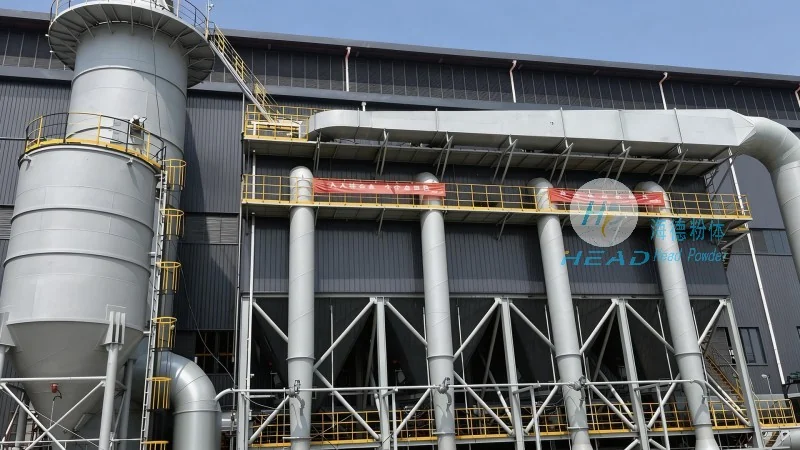
Key Components of the Conveying System
The lightweight calcium carbonate powder conveying system typically consists of several core components that work in tandem to achieve effective material handling. These components include: storage silos or hoppers for powder storage, feeders to control the flow rate of the powder, conveying lines (often using pneumatic or mechanical methods), and control systems to regulate the entire operation. Each component plays a vital role in maintaining the system's efficiency and safety.
Operation Process: Step-by-Step Overview
The operation of the lightweight calcium carbonate powder conveying system follows a systematic sequence of steps to ensure smooth material transfer. The process begins with the powder being stored in the silo or hopper. A feeder then meters the powder at a controlled rate, preventing overloading or underflow. The conveyed powder is then transported through the system via either pneumatic (air-assisted) or mechanical (e.g., screw or belt) methods. The control system monitors parameters such as pressure, flow rate, and temperature to maintain optimal performance. Finally, the powder is discharged into the receiving equipment, completing the cycle.
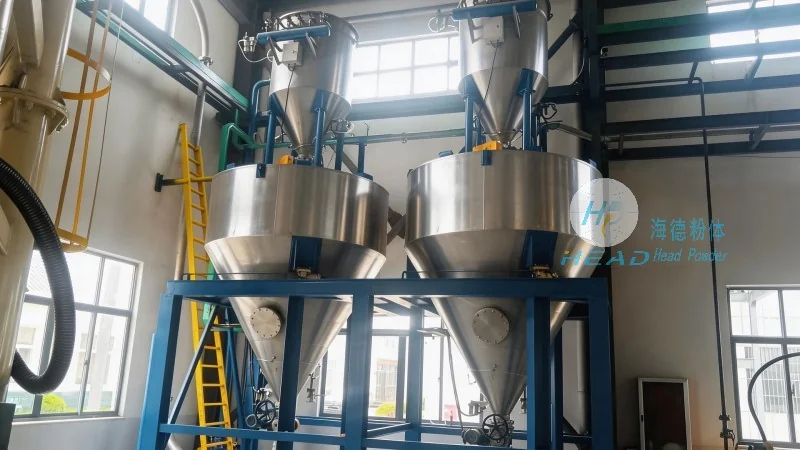
Working Principle: How the System Transfers Powder
The working principle of the lightweight calcium carbonate powder conveying system is based on the principles of fluidization and pneumatic transport. In pneumatic systems, compressed air is introduced into the conveying line, creating a low-density mixture of air and powder. This mixture flows through the system under pressure, allowing the powder to be transported over long distances with minimal friction. Mechanical systems, on the other hand, use rotating components like screws or belts to push the powder forward. Both methods are designed to minimize dust generation and ensure consistent material flow.
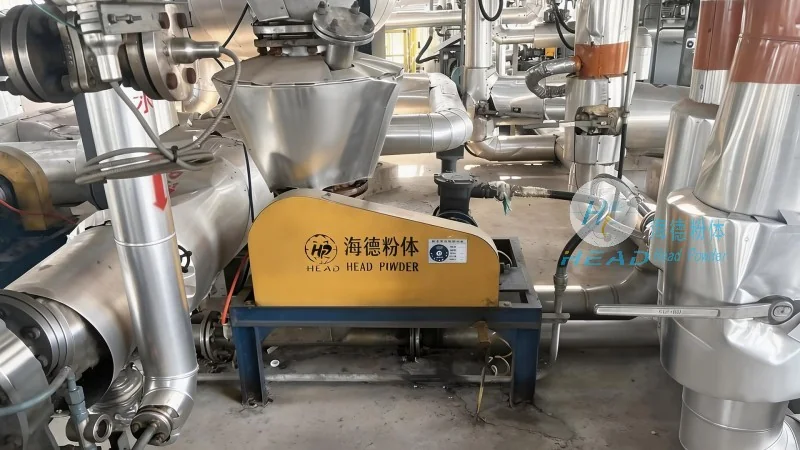
Advantages of the System for LCC Powder Handling
Lightweight calcium carbonate powder conveying systems offer several advantages for industrial applications. These include reduced dust emissions, which improves workplace safety and compliance with environmental regulations. The systems also provide precise control over powder flow rates, ensuring consistent quality in downstream processes. Additionally, the low energy consumption and compact design make them suitable for various industrial settings. The reliability of these systems is further enhanced by advanced control technologies that monitor and adjust operation in real-time.
About Shandong HeadPowder Engineering Co., Ltd.
Shandong HeadPowder Engineering Co., Ltd., commonly known as headpowder, is a leading manufacturer specializing in the design and production of powder handling equipment. With a focus on lightweight calcium carbonate and other fine powders, the company has developed advanced conveying systems that meet the demanding requirements of modern industrial processes. Headpowder's expertise lies in integrating cutting-edge technology with practical engineering solutions to deliver efficient, reliable, and cost-effective powder handling solutions. The company's facilities are located in Shandong, China, where it maintains a strong commitment to quality and customer satisfaction.