

Comparison of Common Ash and Slag Conveying Methods
When it comes to managing ash and slag in industrial settings, selecting the right conveying method is crucial for efficiency, safety, and cost-effectiveness. The choice of equipment can significantly impact the overall performance of waste handling systems. This article provides a detailed comparison of common ash and slag conveying methods, highlighting their applications, advantages, and considerations. The information is presented by Shandong HeadPowder Engineering Co., Ltd., a leading provider of engineering solutions based in Shandong, China.
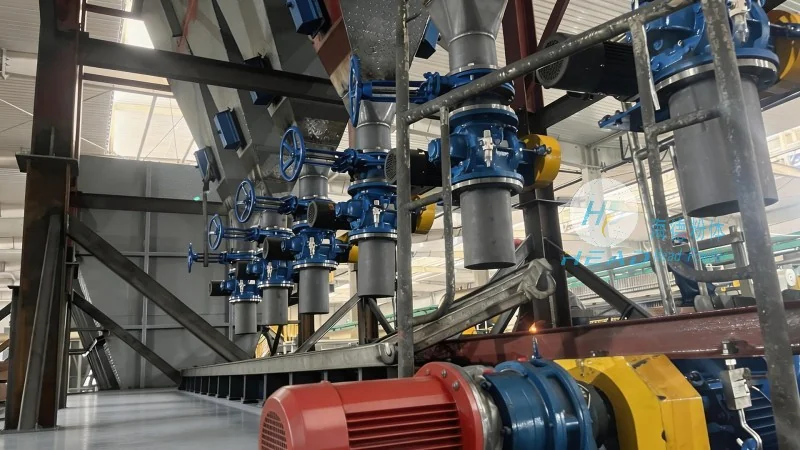
Understanding Ash and Slag Conveying
Ash and slag are byproducts of combustion processes, typically found in power plants, steel mills, and other industrial facilities. These materials are often hot, abrasive, and heavy, requiring specialized equipment to transport them from the source to disposal or recycling sites. Effective conveying systems must handle these characteristics while ensuring minimal environmental impact and operational reliability.
Key Conveying Methods
Several methods are commonly used for ash and slag transport, each with distinct characteristics suited to different operational needs. The primary options include belt conveyors, screw conveyors, pneumatic (air) conveyors, and hydraulic systems. Each method has its own set of advantages and limitations, which are discussed below.
Belt Conveyors for Ash and Slag Transport
Belt conveyors are one of the most widely used methods for transporting bulk materials, including ash and slag. They consist of a continuous loop of belt that moves material from the loading point to the discharge point. This method is particularly effective for long-distance transport and handling large volumes of material. The key advantages of belt conveyors include high capacity, low maintenance, and the ability to operate in various environmental conditions. However, they may require significant space and are less suitable for vertical or steep incline transport.
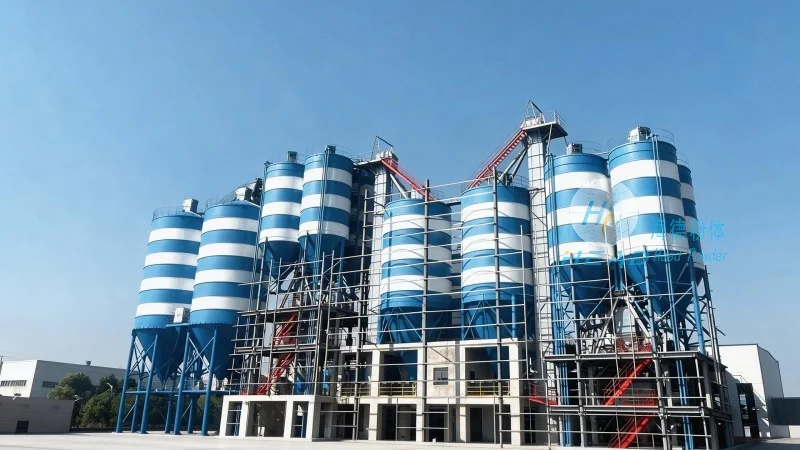
Screw Conveyors: A Versatile Option
Screw conveyors, also known as auger conveyors, use a rotating screw to move material along a trough. This method is ideal for handling fine or granular ash and slag, as well as materials that are sticky or have a high moisture content. Screw conveyors are compact and can be installed in tight spaces, making them suitable for confined areas. They are also relatively low-cost and easy to maintain. The main limitation is that they are not suitable for abrasive or hot materials, as the screw and trough can wear quickly.
Pneumatic (Air) Conveying Systems
Pneumatic conveying uses air pressure to transport ash and slag through a pipeline. This method is particularly effective for handling fine powders and granular materials, as it can transport material over long distances without the need for mechanical parts at the discharge point. Pneumatic systems are clean and can be integrated with dust collection systems, reducing environmental impact. However, they require high air pressure and can be less efficient for heavy or large particles. The cost of air compressors and energy consumption is a significant consideration.
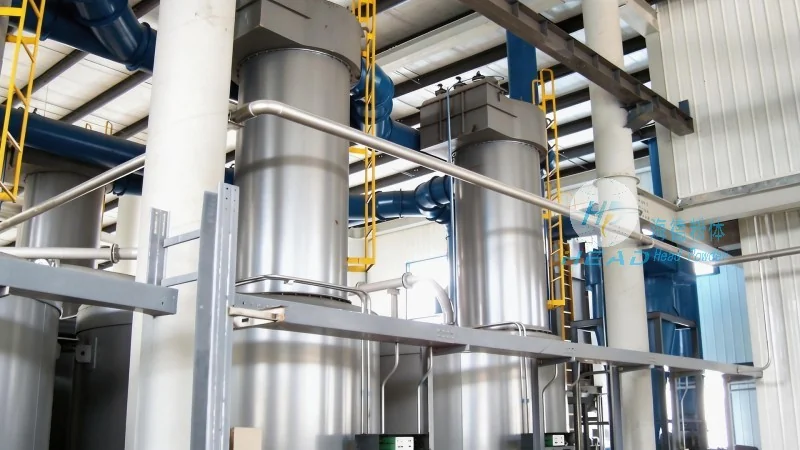
Hydraulic Conveying: High-Pressure Solutions
Hydraulic conveying systems use high-pressure water or other fluids to transport ash and slag. This method is particularly effective for handling abrasive and hot materials, as the fluid can protect the pipeline from wear and heat. Hydraulic systems are capable of handling high volumes and can be used for both horizontal and vertical transport. However, they require specialized equipment and are more complex to maintain. The cost of hydraulic pumps and the need for regular fluid replacement are key factors to consider.
Choosing the Right Conveying Method
The selection of the most appropriate ash and slag conveying method depends on several factors, including the material characteristics, transport distance, operational environment, and budget constraints. For example, belt conveyors are often preferred for long-distance horizontal transport of large volumes, while screw conveyors are ideal for handling fine materials in confined spaces. Pneumatic systems are suitable for clean, fine powders, and hydraulic systems are best for abrasive or hot materials.
Shandong HeadPowder Engineering Co., Ltd.: Your Partner in Ash and Slag Handling
Shandong HeadPowder Engineering Co., Ltd. specializes in providing customized engineering solutions for ash and slag conveying systems. With years of experience in the industry, the company offers a range of equipment and services tailored to meet the specific needs of clients. Whether you need a belt conveyor, screw conveyor, pneumatic system, or hydraulic solution, HeadPowder provides expert consultation, design, and installation services. The company’s commitment to quality and customer satisfaction ensures that clients receive reliable and efficient solutions for their ash and slag handling challenges. Based in Shandong, China, HeadPowder leverages local expertise and resources to deliver high-quality products and services to customers worldwide.