

Common Rice Husk Conveying Methods: A Comparison
When it comes to processing rice, the efficient handling of rice husk is a critical step. Rice husk, a byproduct of rice milling, is often used as fuel, animal feed, or for other industrial applications. To ensure smooth operations, selecting the right conveying method is essential. This article provides a detailed comparison of common rice husk conveying methods, highlighting their advantages, limitations, and suitability for different industrial settings.
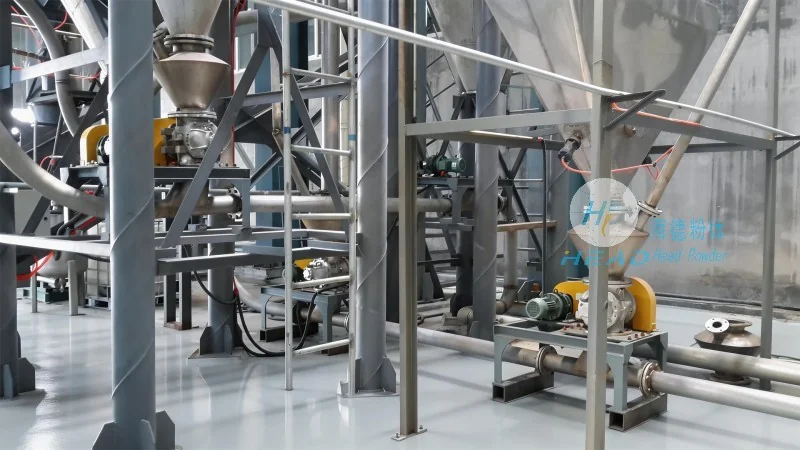
Understanding Rice Husk and Conveying Needs
Rice husk is a fibrous, lightweight material that can be challenging to transport due to its low density and tendency to create dust. Conveying systems must be designed to handle these characteristics while maintaining efficiency and safety. The choice of conveying method depends on factors such as the volume of material, the distance to be transported, the required speed, and the environment where the system will operate.
1. Pneumatic Conveying Systems
Pneumatic conveying, also known as air conveying, is a popular method for transporting rice husk. This system uses air pressure or vacuum to move the material through a pipeline. There are two main types: pressure and vacuum systems. Pressure systems use compressed air to push the material, while vacuum systems use a vacuum to pull it. Pneumatic conveying is ideal for long-distance transport and can handle both dry and slightly moist rice husk. The equipment typically includes a hopper, a feeder, a pipeline, and a receiver. HeadPowder Engineering specializes in designing and manufacturing high-efficiency pneumatic conveying systems tailored to the specific needs of rice processing facilities.
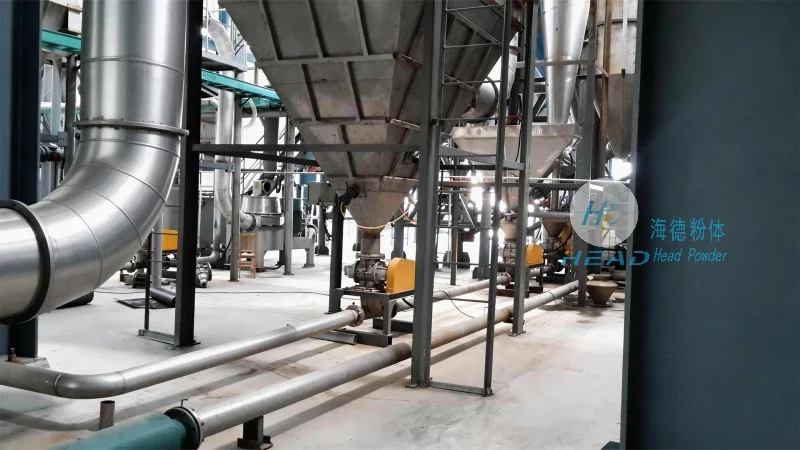
2. Screw Conveyors
Screw conveyors, also known as auger conveyors, are another common option for rice husk transport. These systems use a rotating screw (auger) inside a tube to move material forward. Screw conveyors are suitable for horizontal or slightly inclined transport and are effective for handling bulk materials like rice husk. They are relatively simple in design, making them easy to install and maintain. However, they may not be suitable for long distances or high volumes, as the material can experience friction and wear on the screw and tube. HeadPowder Engineering offers robust screw conveyor solutions that ensure reliable and consistent performance in rice husk handling.
3. Belt Conveyors
Belt conveyors are widely used in various industries, including rice processing, for transporting rice husk. These systems consist of a continuous belt that moves over rollers or pulleys. The material is placed on the belt and carried to the destination. Belt conveyors are ideal for transporting large volumes of material over long distances and can handle both dry and wet rice husk. They are particularly effective for horizontal transport and can be adapted for inclines or declines with appropriate pulley systems. HeadPowder Engineering provides customized belt conveyor systems that meet the specific requirements of rice husk handling, ensuring durability and efficiency.
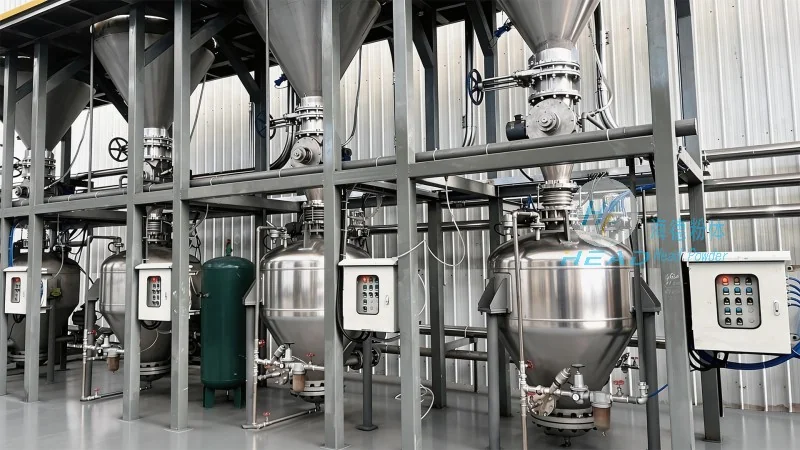
4. Bucket Elevators
Bucket elevators are vertical or inclined conveyors that use buckets attached to a chain or belt to lift and transport material. This method is particularly useful for moving rice husk from lower to higher levels, such as from a storage silo to a processing unit. Bucket elevators are efficient for vertical transport and can handle a wide range of materials, including rice husk. They are designed to minimize material spillage and are suitable for both dry and moist conditions. HeadPowder Engineering manufactures reliable bucket elevator systems that ensure safe and efficient vertical transport of rice husk.
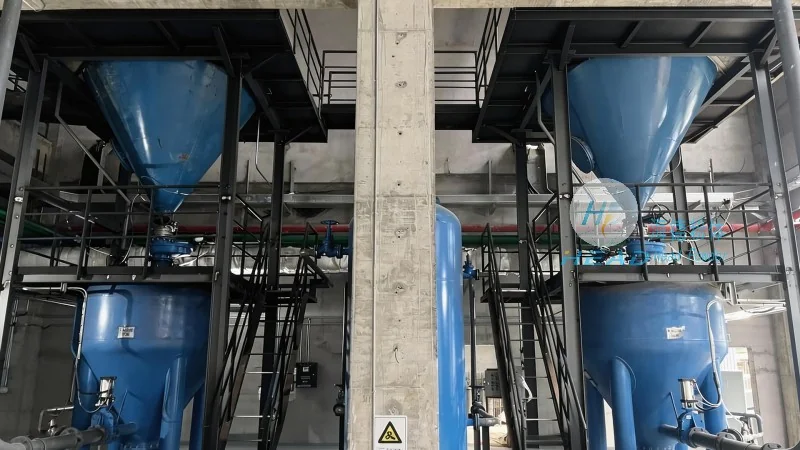
5. Hydraulic Conveying
Hydraulic conveying systems use water or a slurry to transport rice husk. The material is mixed with water to form a slurry, which is then pumped through a pipeline. This method is effective for long-distance transport and can handle large volumes of material. However, it requires additional equipment for slurry separation and water treatment, which can increase operational costs. Hydraulic conveying is suitable for facilities with existing water systems or where water is readily available. HeadPowder Engineering can provide customized hydraulic conveying solutions for rice husk transport, considering the specific water availability and processing needs of the facility.
Choosing the Right Conveying Method for Your Rice Husk Handling
Selecting the appropriate rice husk conveying method requires careful consideration of several factors. The volume and consistency of the material, the distance to be transported, the required speed, and the environment are all critical. Pneumatic conveying is ideal for long-distance and dusty environments, while screw and belt conveyors are suitable for shorter distances and bulk handling. Bucket elevators are perfect for vertical transport, and hydraulic systems are effective for facilities with water resources. HeadPowder Engineering, with its expertise in rice processing equipment, can assist in evaluating these factors and recommending the most suitable conveying system for your specific needs. Our team of engineers works closely with clients to design customized solutions that optimize efficiency, reduce costs, and ensure safe operation.