

Operation Process and Working Principle of Loess Material Handling Equipment
Loess material handling equipment is a specialized machinery system designed to transport and manage loess, a type of soil commonly found in arid and semi-arid regions. The operation process of such equipment involves several key stages, each contributing to the efficient and safe handling of loess materials. Understanding these stages and the underlying working principles is crucial for optimizing performance and ensuring operational reliability.
Company Introduction
HeadPowder, a leading manufacturer in the field, specializes in the design, development, and production of advanced loess material handling solutions. With a strong presence in Shandong, China, the company leverages decades of industry experience to deliver high-quality equipment tailored to the unique challenges of loess material handling. The company's commitment to innovation and customer satisfaction has established it as a trusted partner for businesses operating in the loess-rich regions.
Key Components and Their Roles
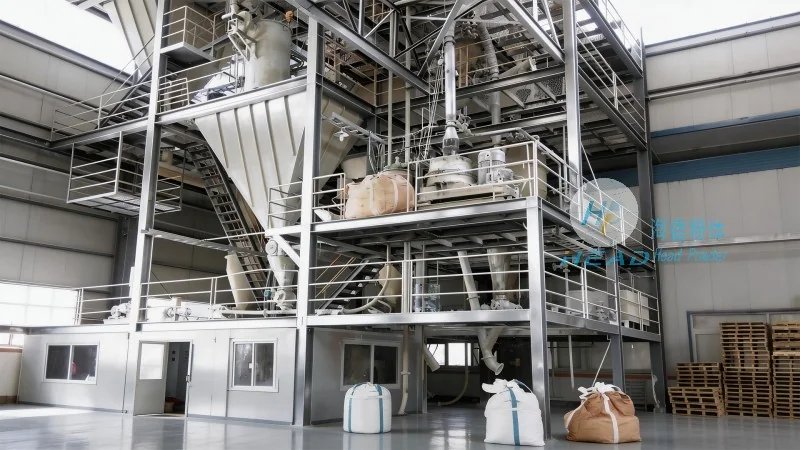
The core components of loess material handling equipment typically include feeders, conveyors, storage silos, and control systems. Each component plays a vital role in the overall operation. Feeders are responsible for uniformly supplying loess material to the conveyor system, ensuring a steady flow. Conveyors, often equipped with specialized belts or buckets, transport the loess from the source to the destination. Storage silos are used to temporarily hold the material, allowing for controlled release and preventing material degradation. Control systems monitor and regulate the entire process, ensuring that all components operate in sync and within safe parameters.
The Operation Process: Step-by-Step
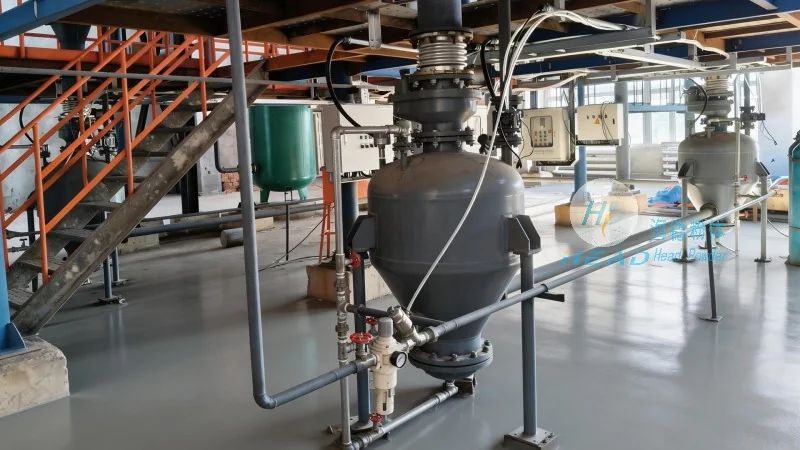
The operation process of loess material handling equipment begins with material feeding. The loess is first loaded into a hopper or storage silo. From there, it is transferred to the feeder, which adjusts the flow rate based on the system's requirements. The feeder then delivers the material to the conveyor belt, which moves it along the designated path. The conveyor system may include multiple sections, such as inclined or horizontal conveyors, to cover different distances and elevations. At the end of the conveyor, the loess is discharged into a storage bin or directly to the processing plant. Throughout this process, the control system continuously monitors parameters like flow rate, pressure, and temperature, making real-time adjustments to maintain optimal performance.
Working Principles: Mechanics and Engineering
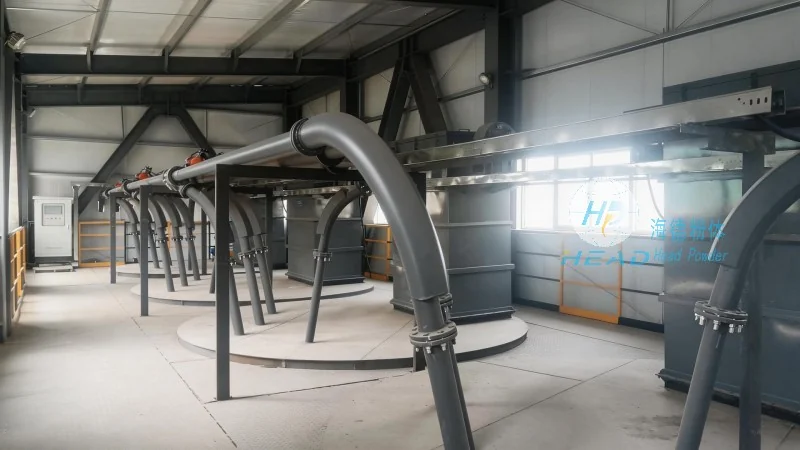
The working principles of loess material handling equipment are rooted in mechanical engineering and material science. The equipment relies on principles of gravity, friction, and force transmission to move the material. For example, belt conveyors use the friction between the belt and the material to pull the load along the path. Bucket elevators, another common type, use rotating buckets to scoop and lift the material vertically. The design of the equipment also considers the physical properties of loess, such as its moisture content and particle size, to ensure efficient handling. Proper maintenance and regular inspections are essential to uphold the working principles and prevent issues like belt slippage or material blockage.
Applications and Industry Impact
Loess material handling equipment is widely used in various industries, including construction, agriculture, and mining. In construction, it is used to transport loess for building materials, while in agriculture, it helps in soil management and irrigation. The equipment's ability to handle loess efficiently reduces labor costs and improves productivity. By streamlining the material handling process, these systems contribute to the overall efficiency of operations, making them indispensable in regions where loess is a primary resource.