

Operation Process and Working Principle of Gray Calcium Material Handling Equipment
Shandong HeadPowder Engineering Co., Ltd., commonly known as HeadPowder, specializes in the design, manufacturing, and supply of advanced material handling equipment tailored for various industrial applications. With a focus on precision and efficiency, our company has established itself as a leading provider in the field of bulk material transportation solutions, particularly for gray calcium materials which are widely used in construction, chemical, and other industrial sectors.
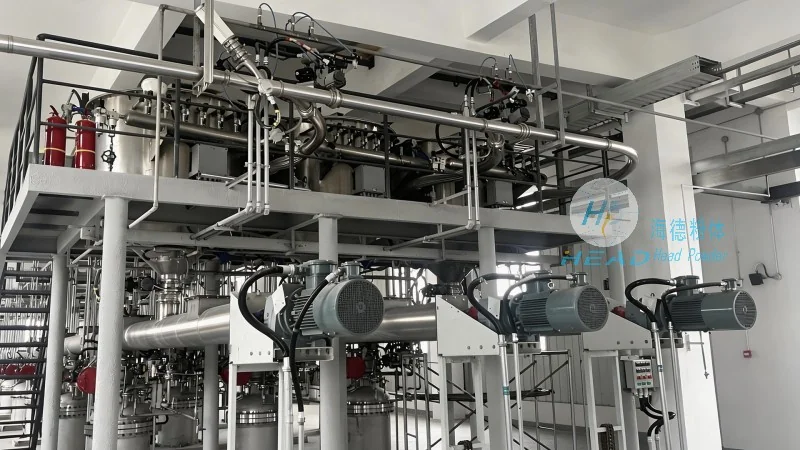
Overview of Gray Calcium Material Handling Equipment
Gray calcium, also known as calcium carbonate, is a common industrial material with diverse applications. The efficient transportation of this material from storage to processing units is crucial for maintaining production flow and minimizing downtime. Our material handling equipment is engineered to handle the unique characteristics of gray calcium, such as its fine particle size and potential for dust generation, ensuring safe and reliable operation.
Key Components and Their Functions
The operation of gray calcium material handling equipment involves several critical components that work in tandem to ensure smooth material flow. These components include feed hoppers, conveyor belts or screw conveyors, control systems, and dust suppression mechanisms. The feed hopper is typically made of robust materials such as stainless steel or high-density polyethylene to withstand the abrasive nature of gray calcium particles. It features a sloped bottom and a discharge valve that controls the material release rate. The conveyor system, whether a belt conveyor or a screw conveyor, is designed to handle the fine particle size of gray calcium without causing excessive wear or clogging. Belt conveyors use friction between the belt and the material to move it, while screw conveyors use a rotating screw to push the material forward. The control system includes sensors and actuators that monitor and adjust the flow rate, speed, and pressure. For example, a flow sensor detects the amount of material in the hopper and adjusts the conveyor speed accordingly. The dust suppression system may include cyclone separators, bag filters, or wet scrubbers to capture and remove dust particles from the air.
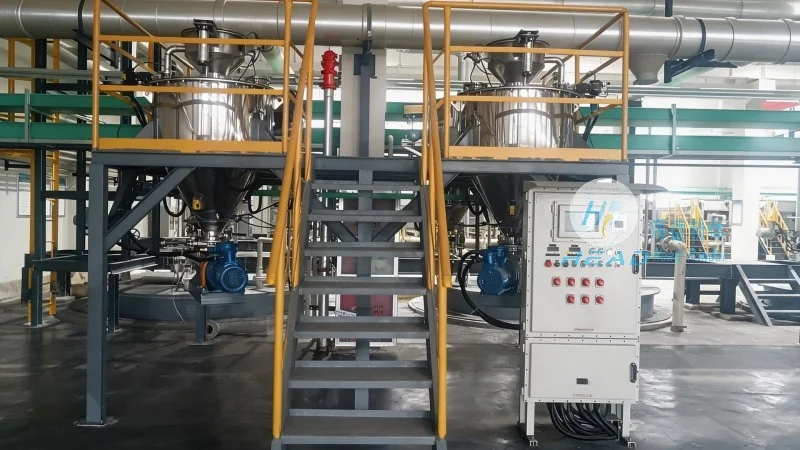
The Running Process of the Equipment
The running process of our gray calcium material handling equipment typically begins with the material being loaded into the feed hopper. The hopper is designed with a sloped interior to facilitate smooth material flow and prevent accumulation. A discharge valve at the bottom of the hopper controls the rate at which material is released into the conveyor system. As the material enters the conveyor, it is carried forward by the moving belt or rotating screw. The conveyor system is equipped with idlers and rollers to support the belt and maintain tension, ensuring consistent movement. The control system continuously monitors the material level in the hopper and adjusts the conveyor speed to maintain a steady flow rate. This dynamic adjustment prevents overloading the conveyor and reduces the risk of material spillage or blockage. Once the material reaches the end of the conveyor, it is discharged into the processing unit or storage container. The entire process is automated, with sensors providing real-time data to the control system, allowing for immediate adjustments if any issues arise.
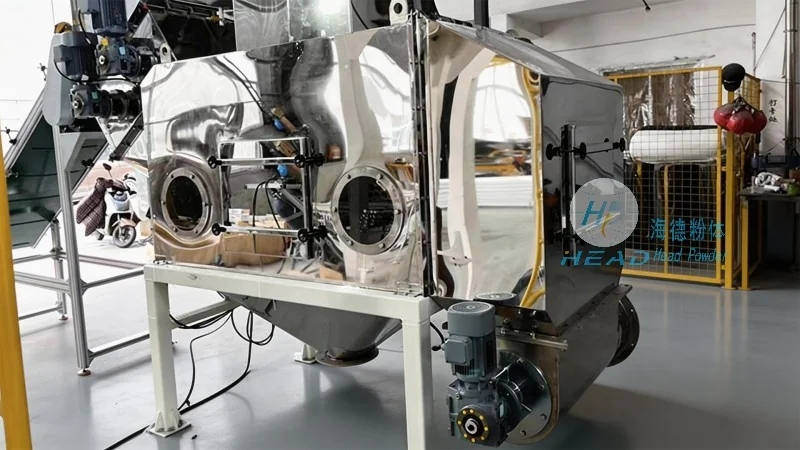
Working Principle of the Equipment
The working principle of gray calcium material handling equipment is based on mechanical energy transfer and material flow dynamics. The feed hopper uses gravity to feed the material into the conveyor system. The conveyor belt or screw rotates, creating a frictional force that moves the material forward. The control system adjusts the speed of the conveyor to regulate the flow rate, preventing overloading or underflow. The dust suppression system operates by capturing and filtering the dust generated during material movement, reducing air pollution and protecting personnel. This integrated approach ensures that the equipment operates efficiently while maintaining safety and environmental standards.
Benefits of Using Advanced Material Handling Solutions
Implementing our gray calcium material handling equipment offers several benefits to industrial operations. Firstly, it enhances production efficiency by ensuring a continuous and consistent material supply, reducing downtime caused by material blockages or uneven flow. Secondly, the equipment is designed for durability and low maintenance, minimizing operational costs over time. Thirdly, the dust suppression features improve workplace safety and compliance with environmental regulations, reducing the risk of respiratory issues and legal penalties. Finally, the modular design allows for easy integration with existing production lines, providing flexibility and adaptability to changing production needs.