

Operation Process and Working Principle of Monosodium Glutamate Material Handling Equipment
Monosodium glutamate (MSG) is a widely used flavor enhancer in the food industry, and efficient material handling is crucial for its production and processing. The equipment designed for transporting MSG raw materials and finished products plays a vital role in maintaining production efficiency and product quality. This article provides an in-depth look at the operation process and working principle of monosodium glutamate material handling equipment, focusing on the key components and operational steps involved.
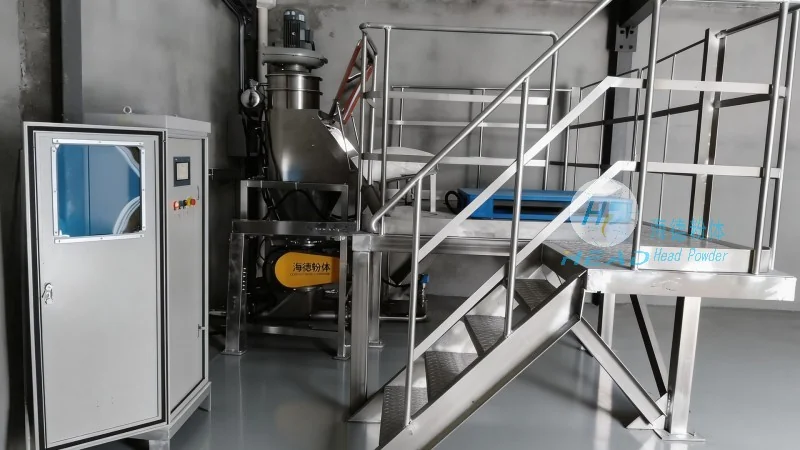
Overview of Monosodium Glutamate Material Handling Equipment
Monosodium glutamate material handling equipment typically includes a series of components such as feeders, conveyors, storage silos, and discharge systems. These components are designed to handle the bulk material of MSG, which is often in a powder or granular form. The equipment is engineered to ensure minimal product loss, prevent contamination, and maintain consistent material flow throughout the production process. The company, Shandong HeadPowder Engineering Co., Ltd., specializes in the design and manufacturing of such equipment, with a focus on meeting the specific needs of the MSG industry.
Key Components and Their Functions
The monosodium glutamate material handling system consists of several critical components, each with a specific function to ensure smooth operation. The feeders are responsible for uniformly feeding the MSG material into the conveyor system. There are different types of feeders, such as rotary feeders and vibratory feeders, which are chosen based on the material characteristics and production requirements. The conveyors, which can be belt conveyors, screw conveyors, or pneumatic conveyors, transport the MSG material from one location to another within the facility. Storage silos are used to store large quantities of MSG, providing a buffer for production and ensuring a steady supply of raw material. The discharge systems, including valves and gates, control the release of the material from the silos to the processing or packaging lines.
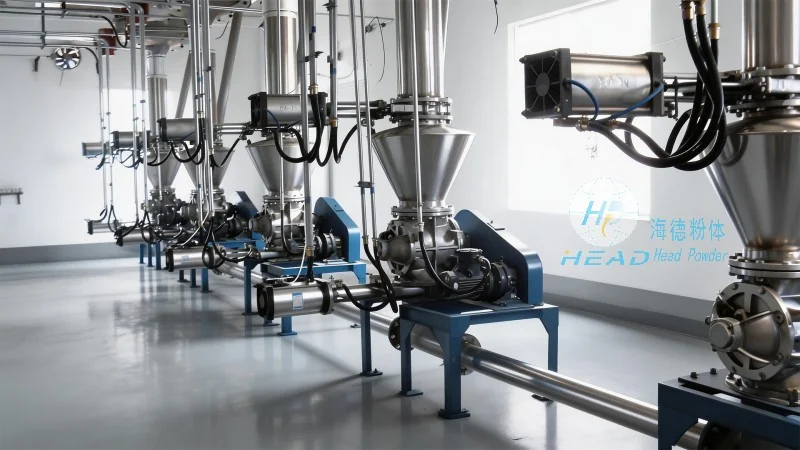
Operation Process of the Equipment
The operation process of monosodium glutamate material handling equipment begins with the raw material being fed into the storage silo. The material is then discharged from the silo into the feeder, which evenly distributes it into the conveyor system. The conveyor transports the MSG material to the next stage of the production process, such as mixing or packaging. The entire process is controlled by a central control system that monitors the flow rate, pressure, and other parameters to ensure optimal performance. The equipment is designed to operate continuously, with minimal downtime for maintenance, which is essential for maintaining high production output.
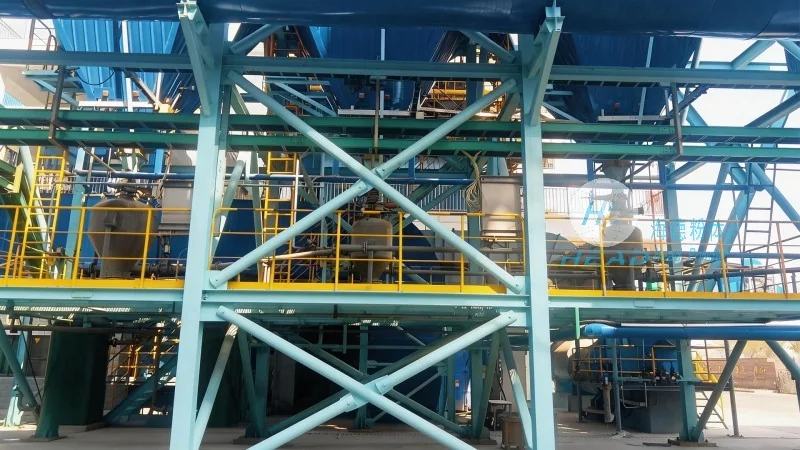
Working Principle of the Equipment
The working principle of monosodium glutamate material handling equipment is based on the principles of material flow and mechanical transport. The feeders use mechanical or pneumatic forces to move the material from the storage silo to the conveyor. The conveyors use gravity, screw rotation, or air pressure to transport the material. The storage silos use a hopper design to allow the material to flow under gravity when discharged. The control system uses sensors and controllers to regulate the speed and flow of the material, ensuring that the process runs smoothly and efficiently. The equipment is designed to handle the specific properties of MSG, such as its fine particle size and hygroscopic nature, to prevent caking and ensure consistent material handling.
Advantages of Monosodium Glutamate Material Handling Equipment
The use of monosodium glutamate material handling equipment offers several advantages for food manufacturers. Firstly, it improves production efficiency by ensuring a continuous and uniform flow of material. This reduces downtime and increases the overall output of the production line. Secondly, the equipment minimizes product loss and contamination, which is critical for maintaining product quality and meeting regulatory standards. Thirdly, the equipment is designed to be easy to clean and maintain, which reduces the risk of cross-contamination and ensures compliance with hygiene regulations. Finally, the equipment can be customized to meet the specific needs of different production facilities, providing flexibility and adaptability.