

[DUST ASH MATERIAL CONVEYING EQUIPMENT: OPERATION PROCESS AND WORKING PRINCIPLE]
For industrial applications that involve the handling of dust ash materials, efficient and reliable conveying systems are essential. The operation process and working principle of dust ash material conveying equipment, as provided by Shandong HeadPowder Engineering Co., Ltd., are designed to meet the demands of various industrial sectors, ensuring optimal performance and safety in material transport. This article explores the key aspects of how these systems function, from initial material intake to final discharge, highlighting the technical details and operational efficiency.
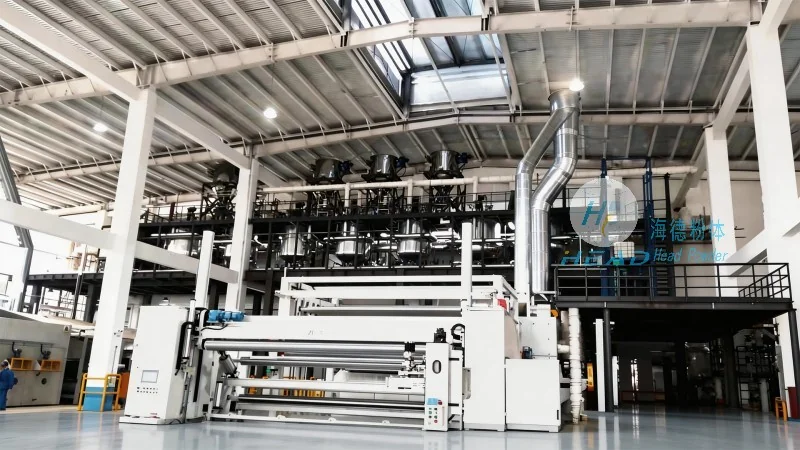
Overview of Dust Ash Material Conveying Equipment
Dust ash material conveying equipment is a specialized system engineered to transport fine particles, such as those generated from dust removal processes in power plants or industrial facilities. These materials often present challenges due to their abrasive nature, low bulk density, and tendency to create dust clouds. The equipment from Shandong HeadPowder Engineering Co., Ltd. addresses these challenges through advanced design and robust construction, ensuring consistent and safe material handling. The system typically consists of components like feed hoppers, conveyor mechanisms, and control units, all integrated to form a seamless operation.
Key Components and Their Functions
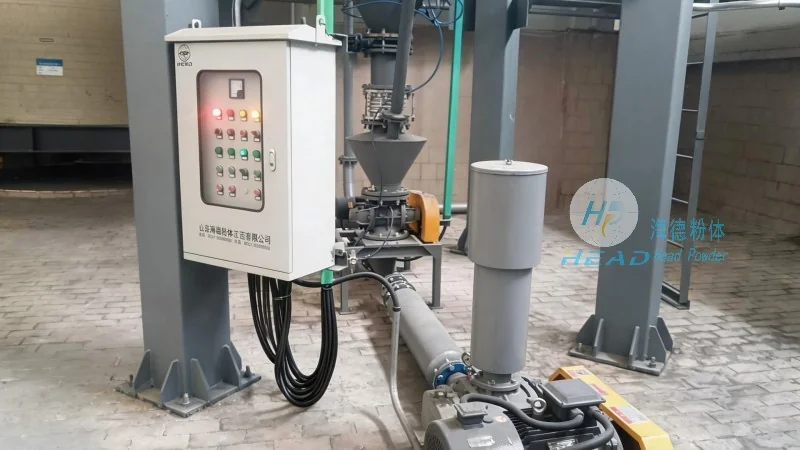
The core components of dust ash material conveying equipment include the feed hopper, conveyor belt or screw mechanism, drive system, and control panel. The feed hopper is responsible for receiving the dust ash material from the source, such as a dust collector or storage silo. It is designed with a sloped bottom to facilitate material flow into the conveyor. The conveyor mechanism, which can be a belt conveyor, screw conveyor, or pneumatic system, transports the material from the hopper to the discharge point. The drive system provides the necessary power to move the conveyor, while the control panel allows operators to monitor and adjust the system parameters, ensuring smooth operation and preventing overloading or blockages.
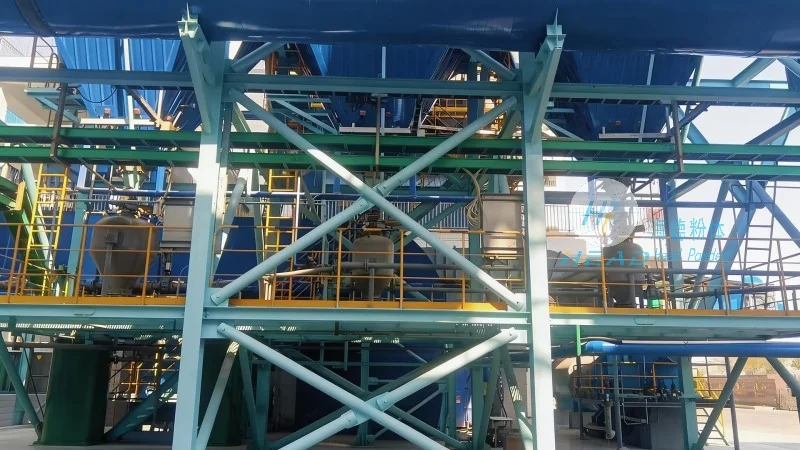
Operation Process: From Intake to Discharge
The operation process of dust ash material conveying equipment begins with the intake of material into the feed hopper. As the material accumulates, it flows down the hopper's slope due to gravity, entering the conveyor mechanism. The conveyor then transports the material along its path, either horizontally or vertically, depending on the system design. The material is moved at a controlled speed to prevent spillage or degradation. At the discharge end, the material is released into a designated container or storage area. The entire process is automated, with sensors and controls monitoring the system's performance in real-time, ensuring that any deviations are addressed promptly. This continuous operation allows for efficient material transport, minimizing downtime and maximizing productivity.
Working Principle: Mechanical and Control Integration
The working principle of dust ash material conveying equipment combines mechanical movement with intelligent control systems. The mechanical components, such as the conveyor belt or screw, convert rotational energy into linear motion, moving the material through the system. The control panel integrates sensors that detect the material level in the hopper, the speed of the conveyor, and any blockages or overloads. These sensors send signals to the control system, which adjusts the conveyor speed or activates alarms if necessary. This integration ensures that the system operates within safe and efficient parameters, adapting to changes in material flow or load conditions. The design also incorporates features to minimize dust emissions, such as sealed conveyor sections and dust collection systems, enhancing safety and compliance with environmental regulations.
Advantages and Applications
Dust ash material conveying equipment from Shandong HeadPowder Engineering Co., Ltd. offers several advantages, including high efficiency, low maintenance, and adaptability to various material types. The systems are suitable for applications in power generation, cement production, and other industries where dust ash is a byproduct. The equipment's ability to handle fine particles without clogging or degradation makes it ideal for long-distance transport and vertical lifting. Additionally, the robust construction ensures durability in harsh industrial environments, reducing the need for frequent repairs and maintenance. The company's commitment to quality and innovation has made their conveying systems a preferred choice for businesses seeking reliable material handling solutions.
Conclusion
In conclusion, the operation process and working principle of dust ash material conveying equipment from Shandong HeadPowder Engineering Co., Ltd. represent a sophisticated solution for efficient material transport in industrial settings. By integrating advanced mechanical components with intelligent control systems, these systems ensure safe, reliable, and efficient handling of dust ash materials. The company's expertise in engineering and manufacturing has led to the development of equipment that meets the demands of modern industrial applications, providing businesses with a cost-effective and sustainable solution for their material handling needs. With a focus on quality and performance, Shandong HeadPowder Engineering Co., Ltd. continues to deliver innovative conveying systems that enhance operational efficiency and safety in various industries.