

Operation Process and Working Principle of Dry Soybean Material Handling Equipment
For businesses in the agricultural processing sector, efficient handling of dry soybeans is crucial for maintaining productivity and product quality. The dry soybean material handling equipment from Shandong HeadPowder Engineering Co., Ltd. is designed to streamline the process, ensuring that soybeans are transported safely and effectively from storage to processing stages. This equipment is a critical component in modern soybean processing facilities, contributing to improved workflow and reduced operational costs.
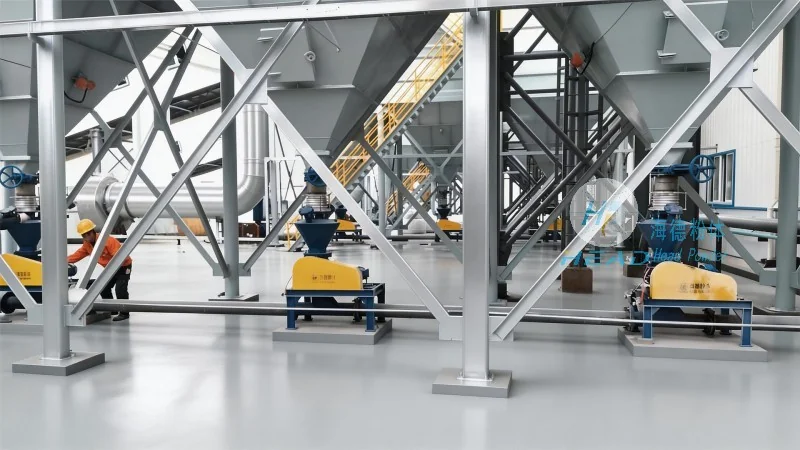
Overview of Dry Soybean Material Handling Equipment
Before delving into the operation process and working principles, it's essential to understand the key components and design of the dry soybean material handling equipment. The system typically includes a hopper for receiving raw soybeans, a conveyor mechanism (such as a belt or screw conveyor), a control panel for operation, and a discharge outlet for transporting the material to the next stage of processing. The equipment is engineered to handle dry soybeans without causing damage or degradation, preserving the quality of the raw material.
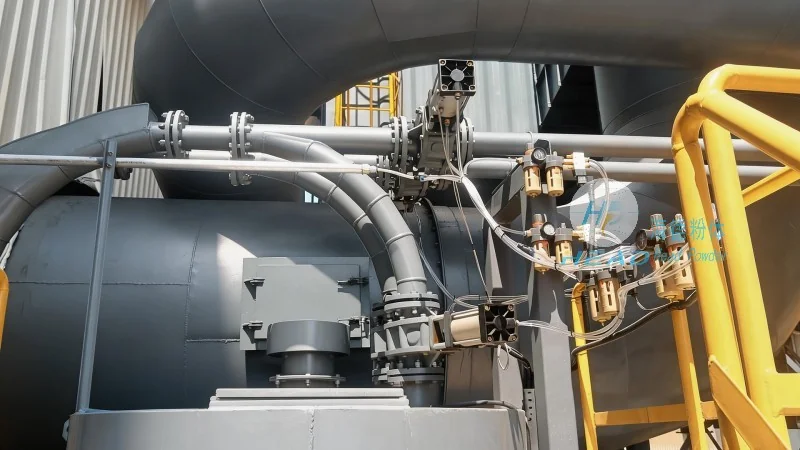
The Operation Process of Dry Soybean Material Handling Equipment
The operation process of the dry soybean material handling equipment involves several sequential steps that ensure smooth and continuous material flow. Initially, dry soybeans are fed into the hopper from a storage bin or silo. The hopper is designed with a sloped bottom to facilitate the natural flow of the material. Once the soybeans are in the hopper, the conveyor system is activated. The conveyor mechanism, which may be a belt or screw conveyor depending on the specific model, moves the soybeans from the hopper to the discharge point. The control panel allows operators to adjust the speed of the conveyor and monitor the flow rate, ensuring that the material is transported at an optimal rate. The discharge outlet then delivers the soybeans to the next processing unit, such as a cleaning or grinding machine. This process is repeated continuously as long as the hopper is supplied with soybeans, maintaining a steady flow of material through the system.
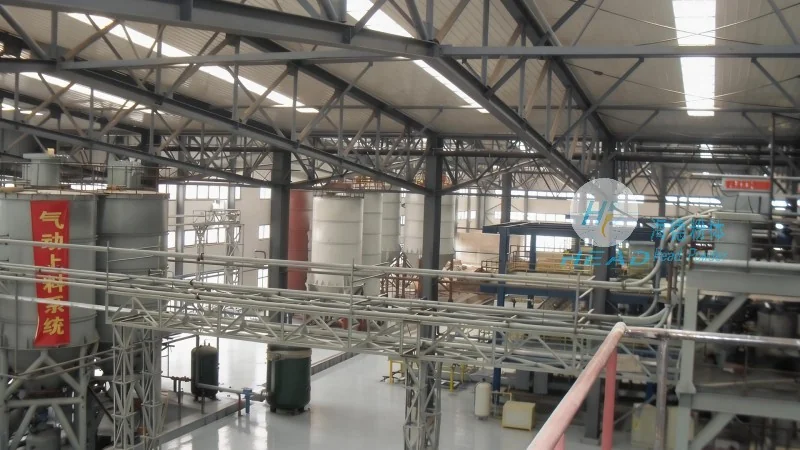
Working Principle of Dry Soybean Material Handling Equipment
The working principle of the dry soybean material handling equipment is based on mechanical motion and gravity. The hopper's design utilizes gravity to allow the soybeans to move from the top to the bottom of the hopper. The conveyor mechanism then uses mechanical energy to transport the soybeans horizontally or at an incline, depending on the layout of the processing facility. The belt conveyor, for example, consists of a continuous loop of belt supported by rollers. As the motor drives the rollers, the belt moves, and the soybeans placed on the belt are carried along with it to the discharge point. The screw conveyor operates on a similar principle but uses a rotating screw to push the material forward. Both mechanisms are designed to handle dry soybeans without causing breakage or crushing, as the equipment is constructed with materials that are gentle on the product. The control panel integrates sensors and feedback mechanisms to adjust the speed and direction of the conveyor, ensuring that the material is transported efficiently and safely. This combination of gravity and mechanical motion allows the equipment to operate with minimal energy consumption while maintaining high throughput rates.
Key Features and Benefits of the Equipment
The dry soybean material handling equipment from Shandong HeadPowder Engineering Co., Ltd. offers several key features that enhance its performance and reliability. One of the primary features is the adjustable speed control, which allows operators to match the conveyor speed to the processing capacity of the downstream equipment. This ensures that the soybeans are not over-processed or under-processed, maintaining product quality. Another important feature is the durable construction, which includes materials such as stainless steel and high-quality plastics that are resistant to corrosion and wear. This ensures that the equipment has a long service life and low maintenance costs. The equipment also includes safety features such as emergency stop buttons and overload protection, which prevent accidents and equipment damage. Additionally, the compact design of the equipment allows it to fit into tight spaces in processing facilities, maximizing the use of available floor space. These features collectively contribute to improved efficiency, reduced downtime, and lower operational costs for businesses in the agricultural processing industry.
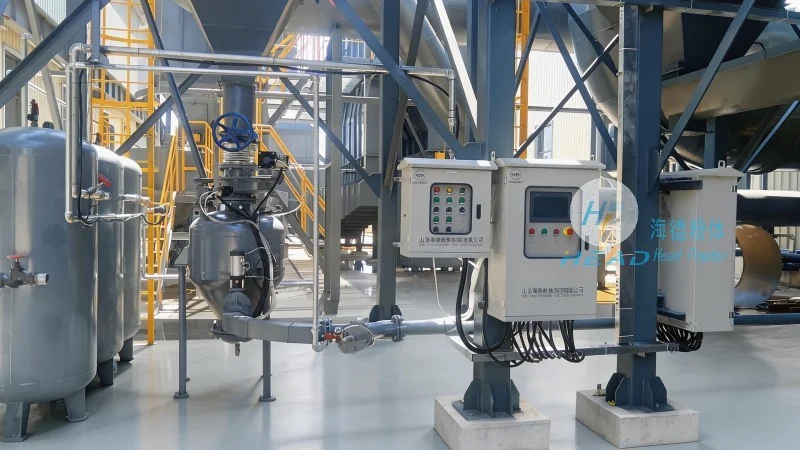
Application and Integration in Soybean Processing Facilities
The dry soybean material handling equipment is widely used in various stages of soybean processing, from storage and transport to further processing. In storage facilities, the equipment is used to transfer soybeans from storage bins to processing lines, ensuring a continuous supply of raw material. In processing plants, the equipment is integrated with other processing equipment, such as cleaning machines, grinding mills, and extruders. The conveyor system transports the soybeans from one unit to another, maintaining a smooth flow of material through the entire processing line. The equipment is also suitable for use in food processing facilities, where the quality of the soybeans is critical for the final product. The gentle handling of the equipment ensures that the soybeans retain their nutritional value and quality, which is essential for producing high-quality food products. Additionally, the equipment can be customized to meet the specific needs of different processing facilities, with options for different conveyor lengths, widths, and speeds. This flexibility allows businesses to adapt the equipment to their unique processing requirements, ensuring optimal performance and efficiency.