

Operation Process and Working Principle of Ternary Positive Electrode Material Handling Equipment
Shandong HeadPowder Engineering Co., Ltd., commonly known as headpowder, is a professional manufacturer specializing in the design, development, and production of material handling equipment for the lithium battery industry. With a focus on precision and efficiency, the company has established itself as a reliable partner in the supply chain for ternary positive electrode materials, which are critical components in modern lithium-ion batteries used in electric vehicles and energy storage systems. The company's equipment is engineered to meet the stringent requirements of the battery manufacturing process, ensuring that materials are handled safely, efficiently, and with minimal loss or contamination.
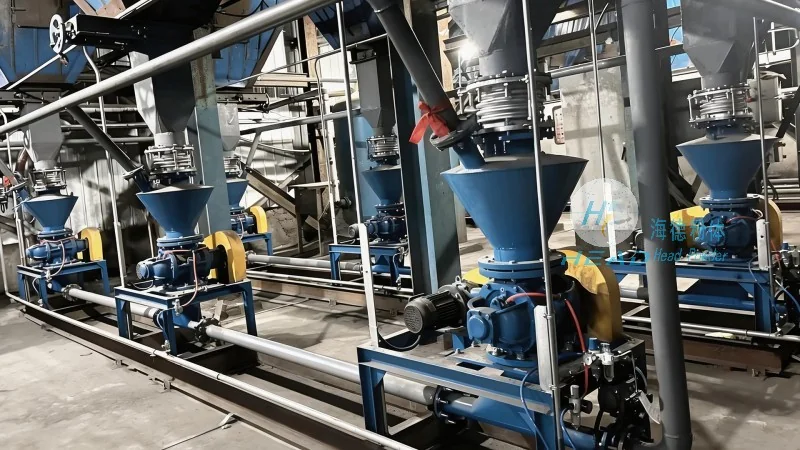
Operation Process of Ternary Positive Electrode Material Handling Equipment
The operation of ternary positive electrode material handling equipment involves a series of coordinated steps to ensure the safe and efficient transport of raw materials and finished products. The process typically begins with the loading of raw materials, such as nickel, cobalt, manganese, and lithium compounds, into the initial storage hopper. From there, the material is conveyed through a series of components, including screw conveyors, belt conveyors, and vibrating feeders, which are designed to handle the specific characteristics of ternary materials—such as their fine particle size and potential for static electricity. Each stage of the conveyor system is equipped with sensors and control mechanisms to monitor flow rates, temperature, and material level, ensuring that the process runs smoothly and without interruption. The system is designed to accommodate varying production volumes, allowing for adjustments to meet the demands of different manufacturing stages, from raw material input to final product packaging.
Once the material reaches the processing or packaging stage, it may undergo additional operations like mixing, drying, or granulation. The equipment is designed to maintain consistent moisture content and particle size distribution, which are crucial for the quality of the final electrode material. The system is also equipped with dust collection and filtration systems to ensure a clean and safe working environment, as ternary materials can generate fine dust that requires proper handling to prevent contamination and health hazards. The use of high-efficiency filters and exhaust systems helps maintain air quality and comply with environmental regulations, making the equipment suitable for both industrial and commercial applications.
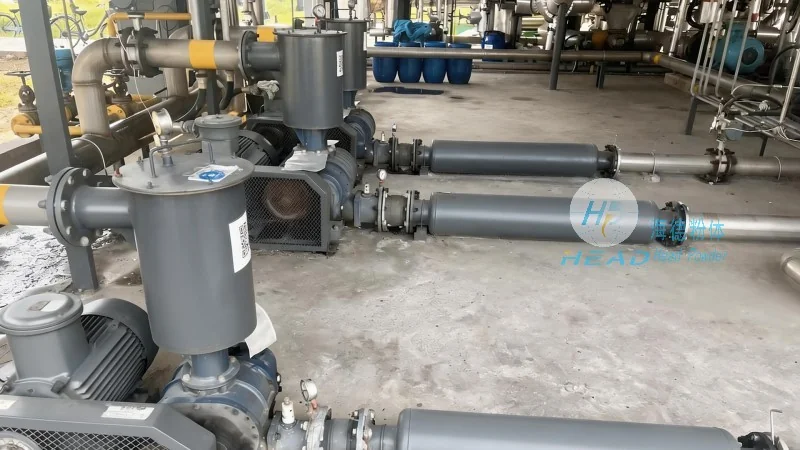
Working Principle of Ternary Positive Electrode Material Handling Equipment
The working principle of this equipment is based on mechanical and pneumatic systems that work in tandem to move materials through the production line. The core components include feeders, conveyors, and control units, each playing a specific role in the material flow. Feeders, such as rotary valves or vibratory feeders, regulate the flow of material from the hopper to the conveyor, ensuring a steady and controlled rate. The conveyors, often using screw or belt mechanisms, transport the material horizontally or vertically, depending on the layout of the production facility. Pneumatic systems may be used for auxiliary functions, such as cleaning or material transfer between different sections of the equipment, providing flexibility in the overall system design.
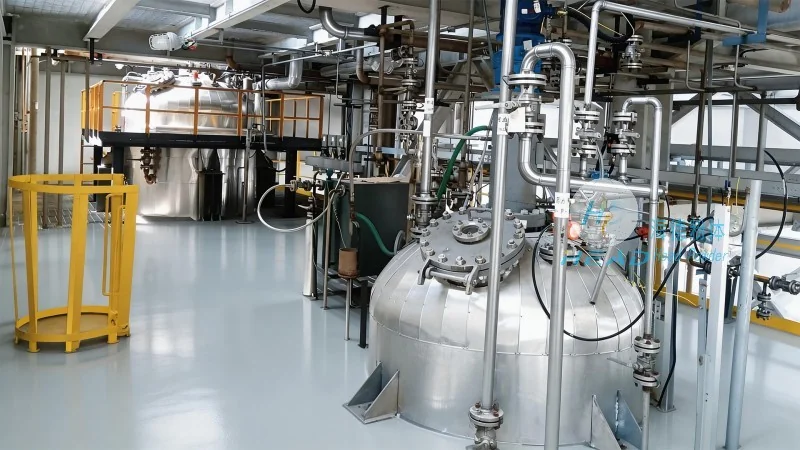
The control system, typically a programmable logic controller (PLC), manages all operational parameters, including speed, pressure, and material level. It monitors real-time data from sensors and adjusts the equipment settings automatically to maintain optimal performance. This automation not only improves efficiency by reducing human intervention but also enhances safety by preventing overloading or blockages that could lead to equipment damage or material loss. The system is designed with redundancy and fail-safe mechanisms to ensure continuous operation, even in the event of a component failure. This reliability is critical for manufacturers who rely on consistent production output to meet market demands.
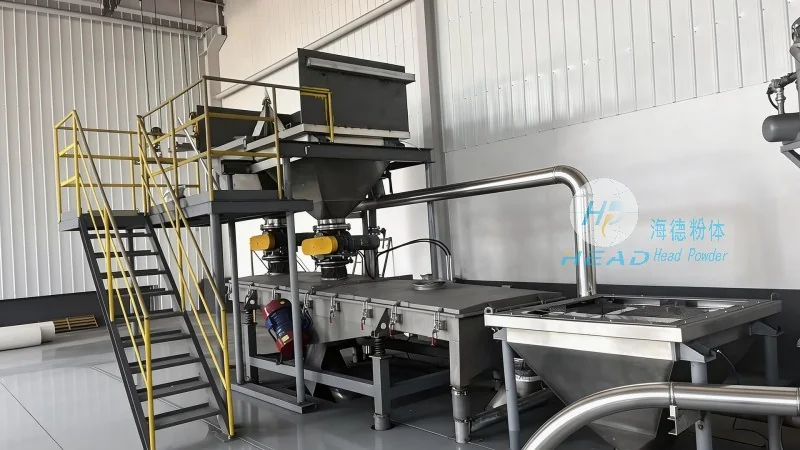
Key Features and Applications of Ternary Positive Electrode Material Handling Equipment
Shandong HeadPowder Engineering Co., Ltd. designs its ternary positive electrode material handling equipment with several key features that address the unique challenges of processing these materials. One of the primary features is the use of anti-static materials and grounding systems to prevent static buildup, which can cause material sticking or sparks. The equipment also incorporates dust-proof and explosion-proof designs to ensure safety in environments where flammable materials are present. Additionally, the systems are built with high-quality, corrosion-resistant materials to withstand the chemical properties of the materials being handled, such as acids or moisture, extending the equipment's lifespan and reducing maintenance costs.
The equipment is widely used in the lithium battery manufacturing industry, particularly in the production of ternary positive electrodes for electric vehicles and energy storage systems. It plays a critical role in the supply chain by ensuring that raw materials are efficiently transported from storage to processing and packaging stages. The equipment's ability to maintain consistent material quality and flow rates is essential for producing high-performance batteries with stable capacity and cycle life. By integrating advanced control systems and monitoring technologies, the equipment helps manufacturers achieve higher productivity and lower operational costs. For example, the use of real-time monitoring allows for immediate adjustments to address variations in material properties, minimizing waste and improving overall yield.