

Operation Process and Working Principle of Dilute Phase Material Conveying Lines
Dilute phase material conveying lines are a critical component in modern industrial material handling systems, designed to transport bulk materials efficiently over long distances with minimal pressure drop and energy consumption. These systems operate by suspending the material particles in a carrier gas, typically air or other suitable gases, which allows for smooth and continuous movement through pipelines. The technology is widely used in various industries, including mining, cement, chemical processing, and food processing, due to its ability to handle a wide range of materials while maintaining high throughput and low maintenance requirements.
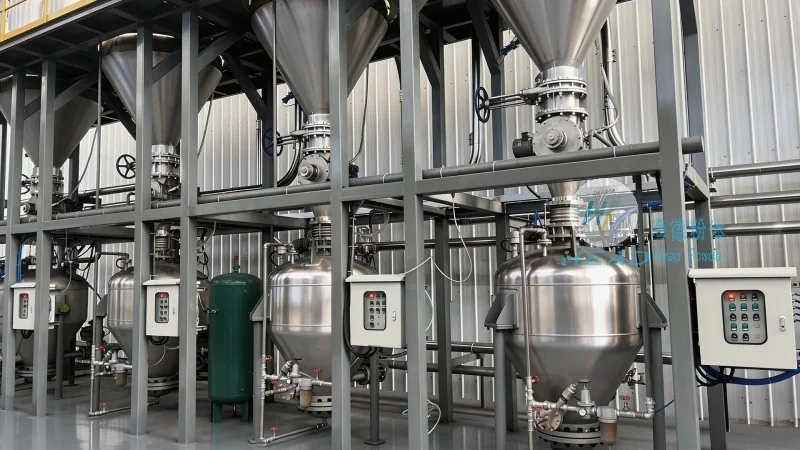
Key Components and Their Roles
The dilute phase conveying system consists of several key components that work in tandem to ensure efficient material transport. The primary components include the material feeder, the gas compressor or blower, the conveying pipeline, the control system, and the discharge equipment. The material feeder is responsible for feeding the bulk material into the system at a controlled rate, ensuring a consistent flow. The gas compressor or blower provides the necessary pressure and airflow to suspend the material particles and move them through the pipeline. The conveying pipeline is typically made of durable materials such as stainless steel or plastic, designed to withstand the pressure and abrasion from the material and gas mixture. The control system monitors and regulates the operation of the system, adjusting the gas flow and material feed rate as needed to maintain optimal performance. The discharge equipment, such as a rotary valve or a hopper, collects the material at the end of the pipeline and transfers it to the next processing stage.
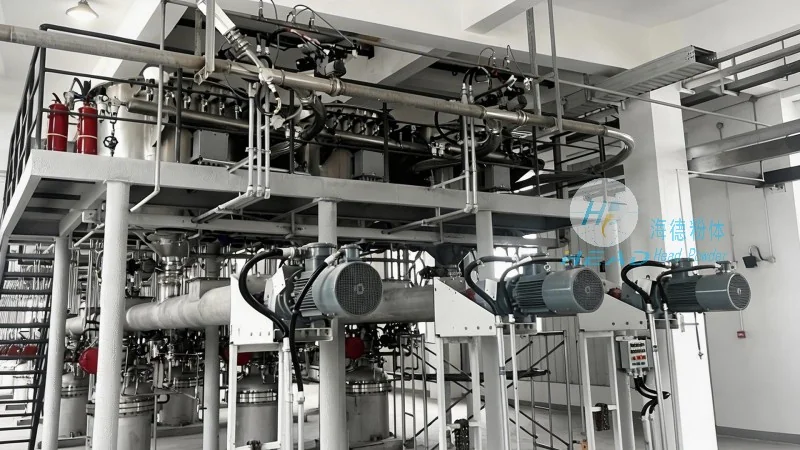
Operation Process of Dilute Phase Conveying
The operation of a dilute phase material conveying line involves several sequential steps that ensure the material is transported from the source to the destination efficiently. The process begins with the material being fed into the system by the feeder. The feeder typically uses a screw or a rotary valve to control the flow rate, ensuring a consistent feed. Simultaneously, the gas compressor or blower starts operating, providing the necessary airflow to the system. The material is then mixed with the carrier gas at the inlet of the pipeline, creating a dilute phase mixture. As the mixture travels through the pipeline, the gas velocity is maintained above the minimum fluidization velocity, which keeps the material particles suspended and prevents them from settling. The pipeline is designed with appropriate bends and fittings to minimize pressure loss and maintain the flow velocity. At the receiving end, the material is separated from the gas using a cyclone or a filter, and the gas is either recirculated or vented, depending on the system design. The separated material is then discharged into a storage bin or a processing unit.
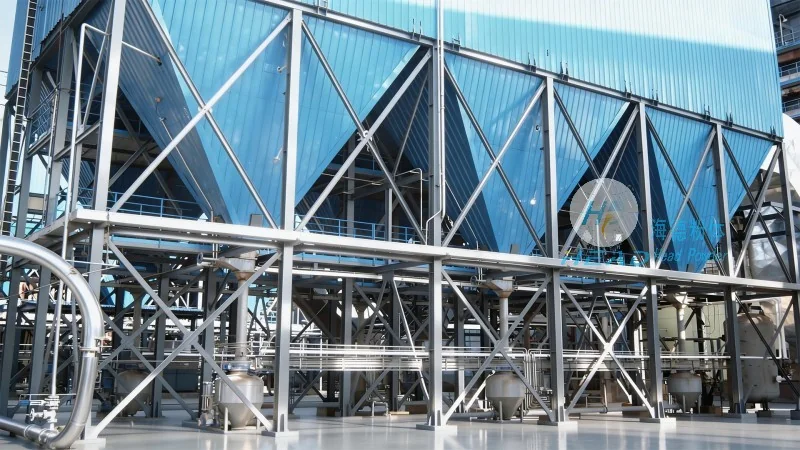
Working Principle of Dilute Phase Conveying
The working principle of dilute phase material conveying is based on the concept of fluidization and pneumatic transport. The carrier gas provides the necessary kinetic energy to lift and move the material particles through the pipeline. The key to efficient operation is maintaining the material in a suspended state, which requires the gas velocity to be above the minimum fluidization velocity (Umf). This velocity is determined by the properties of the material, such as particle size, density, and shape, as well as the properties of the gas, such as density and viscosity. The system operates under a pressure gradient, with higher pressure at the inlet and lower pressure at the outlet, which drives the material and gas mixture through the pipeline. The pressure drop along the pipeline is a critical parameter, as it determines the energy consumption of the system. Proper design of the pipeline, including the use of smooth surfaces and appropriate bends, helps minimize the pressure drop and improve the overall efficiency of the conveying process.
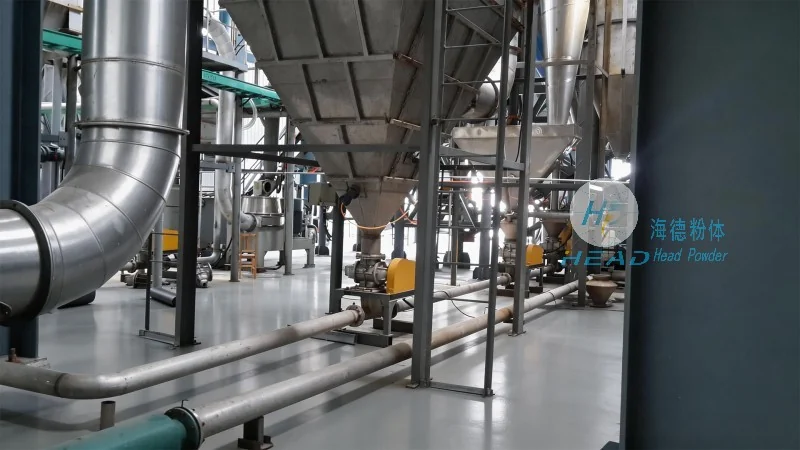
About Shandong HeadPowder Engineering Co., Ltd.
Shandong HeadPowder Engineering Co., Ltd., commonly known as HeadPowder, is a leading manufacturer and supplier of dilute phase material conveying systems and related equipment. With a strong focus on innovation and quality, HeadPowder has established itself as a trusted partner in the material handling industry. The company specializes in designing and manufacturing customized conveying solutions tailored to the specific needs of its clients, ensuring optimal performance and reliability. HeadPowder's products are widely used in various industries, including mining, cement, chemical processing, and food processing, and are known for their durability, efficiency, and low maintenance requirements. The company is committed to providing high-quality products and excellent customer service, helping its clients improve their operational efficiency and reduce costs. HeadPowder's headquarters is located in Shandong, China, where the company has a state-of-the-art manufacturing facility and a team of experienced engineers and technicians dedicated to research and development.