

Operation Process and Working Principle of Phosphate Powder Material Conveying Line
Phosphate fertilizer powder is a crucial raw material in the agricultural industry, and efficient conveying of this material is essential for maintaining production efficiency and ensuring product quality. The operation process and working principle of a phosphate powder material conveying line are designed to handle the unique properties of this material, such as its fine particle size, hygroscopic nature, and potential for dust generation. This article provides a detailed overview of how such a conveying system operates, from material intake to final discharge, while highlighting the key components and mechanisms involved.
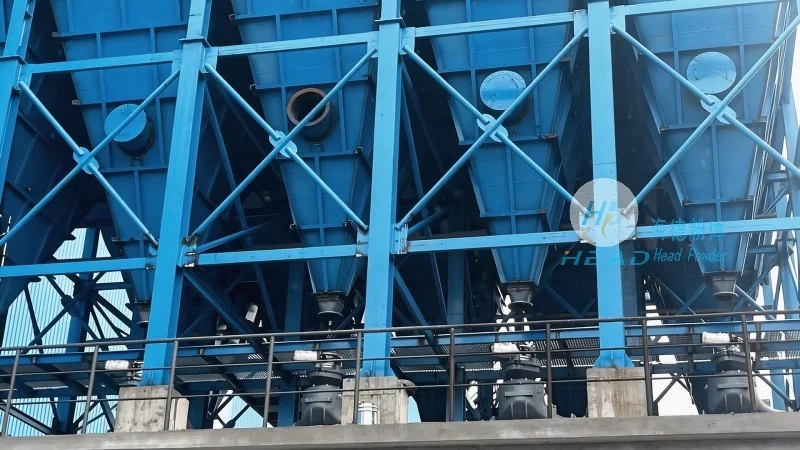
Overview of the Phosphate Powder Conveying Line
The phosphate powder conveying line is a specialized system engineered to transport phosphate fertilizer powder from storage silos or production areas to processing units or packaging facilities. It typically consists of several interconnected components, including feeders, conveyors, dust control systems, and control panels. Each component plays a critical role in ensuring the smooth and safe operation of the entire system. The system is designed to handle the specific challenges associated with phosphate powder, such as its tendency to stick to surfaces and its potential to create dust, which can affect both equipment performance and worker safety.
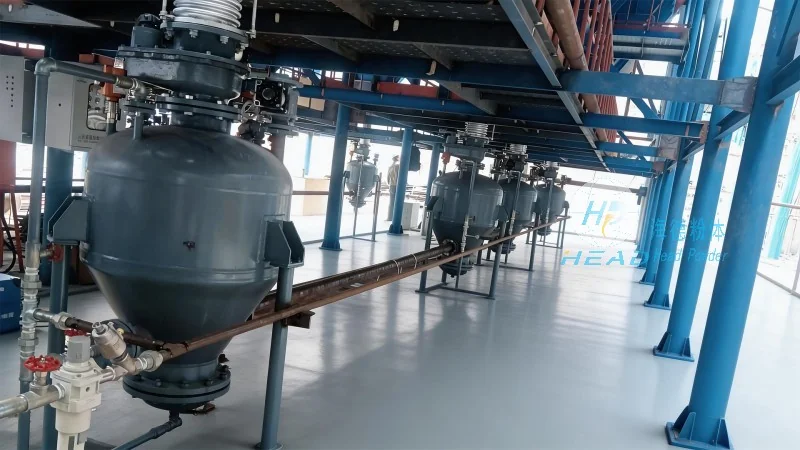
Key Components and Their Functions
1. Feeder System: The feeder is the first component in the conveying line, responsible for uniformly feeding phosphate powder from the storage silo into the conveyor. Common types of feeders used include rotary valves, star feeders, and screw feeders. These devices ensure a consistent flow rate, preventing overloading or underloading of the conveyor, which can lead to system inefficiencies or equipment damage. The feeder is typically equipped with a hopper that can be adjusted to control the material flow, and it may also include a vibration system to prevent material bridging or caking, which is common in phosphate powders due to their hygroscopic properties.
2. Conveyor System: The conveyor is the core of the conveying line, responsible for transporting the phosphate powder from the feeder to the discharge point. The most common type of conveyor used for this application is the phosphate powder belt conveyor, which uses a continuous belt to move the material. The belt is typically made of a material that is resistant to the chemical properties of phosphate powder, such as rubber or PVC, to prevent wear and tear. The conveyor may include idlers, pulleys, and a drive system to maintain the belt tension and ensure smooth movement. The speed of the conveyor can be adjusted to control the flow rate of the material, and it may also include a tensioning system to maintain proper belt alignment and prevent slippage.
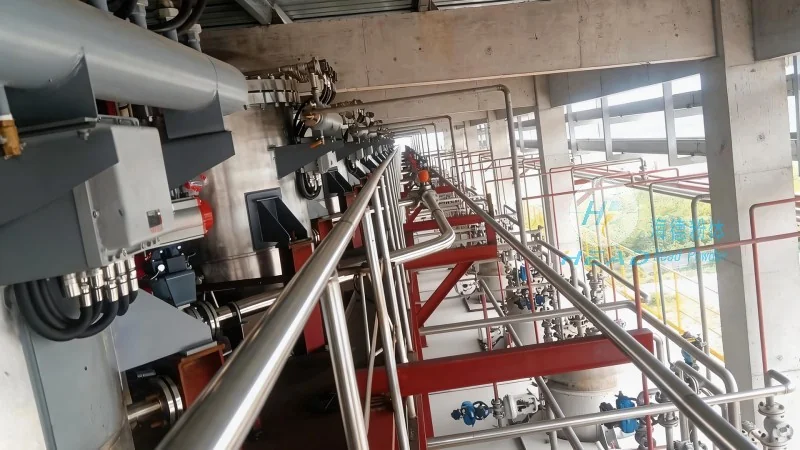
3. Dust Control System: Phosphate powder is prone to generating dust during handling, which can pose health risks to workers and affect the performance of the conveying system. The dust control system is designed to minimize dust generation and capture any airborne particles. This system typically includes dust collection hoods, filters, and ventilation fans. The hoods are positioned at the discharge points of the feeder and conveyor to capture dust before it is released into the air. The filters are designed to trap fine particles, and the ventilation fans help to remove the captured dust from the system. Some systems may also use a wet scrubbing system to further reduce dust emissions.